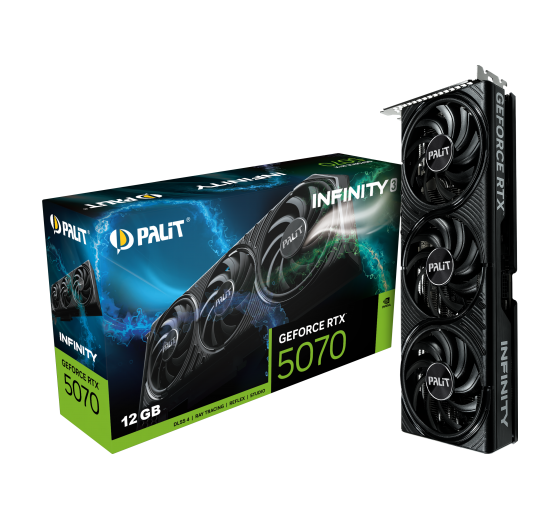
Was ist die beste Wahl? NVIDIA H100 PCIe oder NVIDIA GeForce RTX 3090? Welche Grafikkarte ist schneller?
Compare the available specifications of these models.
NVIDIA H100 PCIe has a base frequency of 1.065 GHz. Speichergröße 80 GB. Speicher Typ HBM2e. Freigegeben in Q2/2022.
NVIDIA GeForce RTX 3090 has a base frequency of 1.4 GHz. Speichergröße 24 GB. Speicher Typ GDDR6X. Freigegeben in Q3/2020.
Gründe für die Berücksichtigung Mehr Speicher
233% mehr Speicher
 24 GB
Gründe für die Berücksichtigung
24 GB
Gründe für die Berücksichtigung Höhere Taktfrequenz
Rund um 31% höhere taktfrequenz
1.065 GHz
Gemeinsame Standpunkte NVIDIA GeForce RTX 3090 GPU in gängigen Benchmarks, zum Vergleich mit anderen Modellen.
NVIDIA H100 PCIe
Vergleich der grundlegenden technischen Daten von Grafikkarten NVIDIA H100 PCIe und NVIDIA GeForce RTX 3090, Chip, Informationsverarbeitungseinheiten.
 Ampere
82
GA102-300-A1
112
328
10496
10496
Ampere
82
GA102-300-A1
112
328
10496
10496
Video memory capacity, type, bus width and bandwidth describe different properties. These values alone do not determine graphics performance.
936 GB/s
384 bit
1219 MHz
19.5 Gbps
24 GB
GDDR6X
Published GPU clock frequencies describe different operating modes. Clock speed alone does not determine graphics performance.
1400 MHz
1700 MHz
Graphics card power limits and recommended system power supply describe different specifications.
750 W (System power requirement)
350 W
350 W
93 °C
Konnektivität und Verbindungen.
4
PCIe 4.0 x16
2x PCIe 8-pin (adapter to 1x 12-pin included)
3 × DisplayPort
2.3
HDMI
Technische Daten, die in Computerspielen voll ausgeschöpft werden.
-
12_2
3.0
4.6
6.6
1.3
7680 × 4320
Integrierte Unterstützung für Video- und Bildkompressionsstandards.
Decode
Decode / Encode
Decode / Encode
Decode
Decode
Vergleich von Schnittstellen und Freigabeterminen für GPU NVIDIA GeForce RTX 3090 und NVIDIA H100 PCIe.
8 nm
Q3/2020
NVIDIA Founders Edition/reference design. Clock specifications apply to gaming use. AIB shipping specifications and complete-system power needs may differ.
35.58 TFLOPS
-
-
189.8 GPixel/s
556.0 GTexel/s
These results have no shared test of both models with the same version and settings. They are shown separately without a percentage difference.
Results were obtained on the reported systems. Test versions and settings remain separate; incomplete conditions do not support calculated model performance differences.
| Model | Result | Reported conditions |
|---|---|---|
| NVIDIA GeForce RTX 3090 | 19512 points | System: GeForce RTX 3090 Graphics: GeForce RTX 3090 Source minimum runtime: 0 minutes. Exact test build and complete conditions are unreported; no ranking position. |


 English
 Russian
 Portuguese
 Italian
 French
 Japan
Japan Spanish
 Polish
 Chinese
 Korean