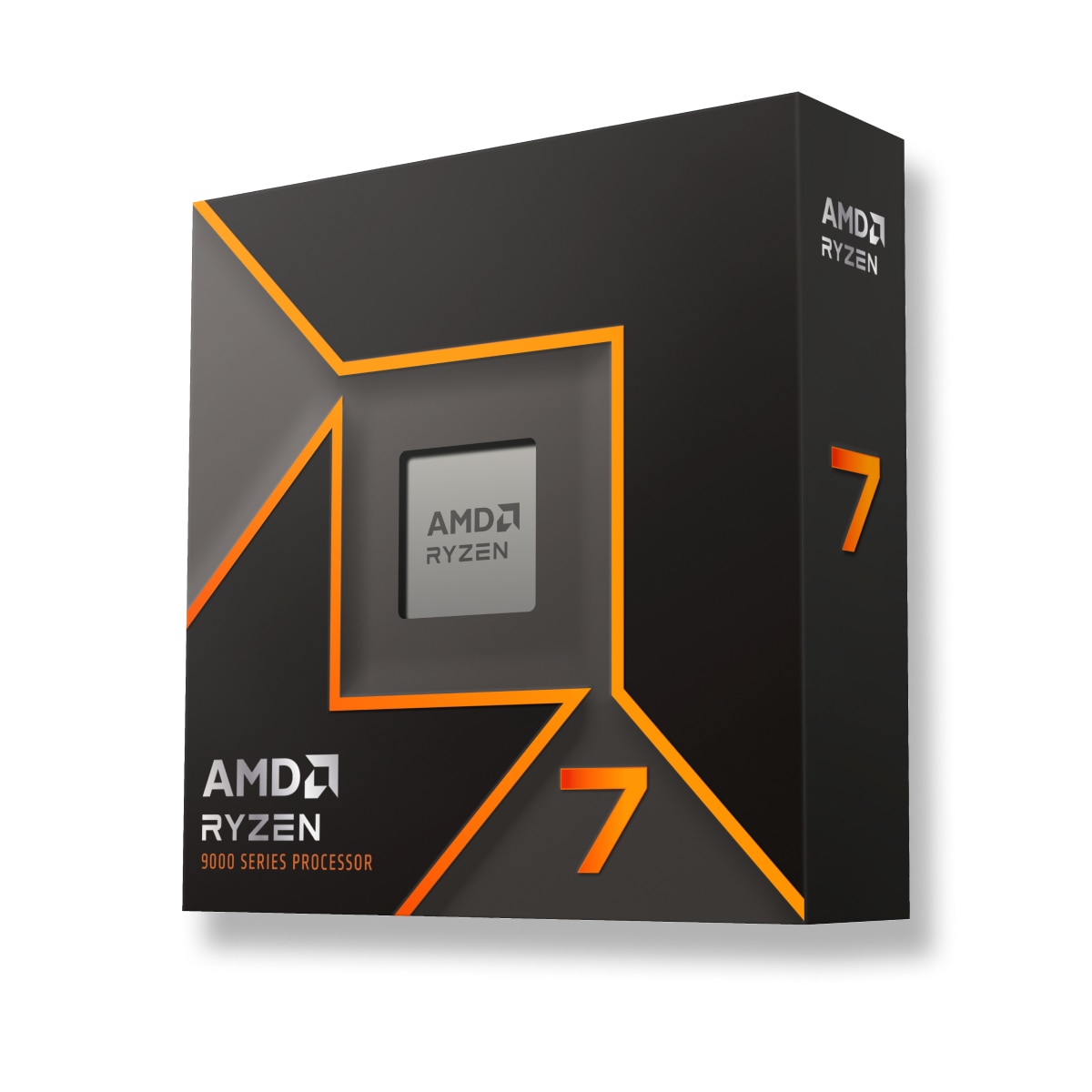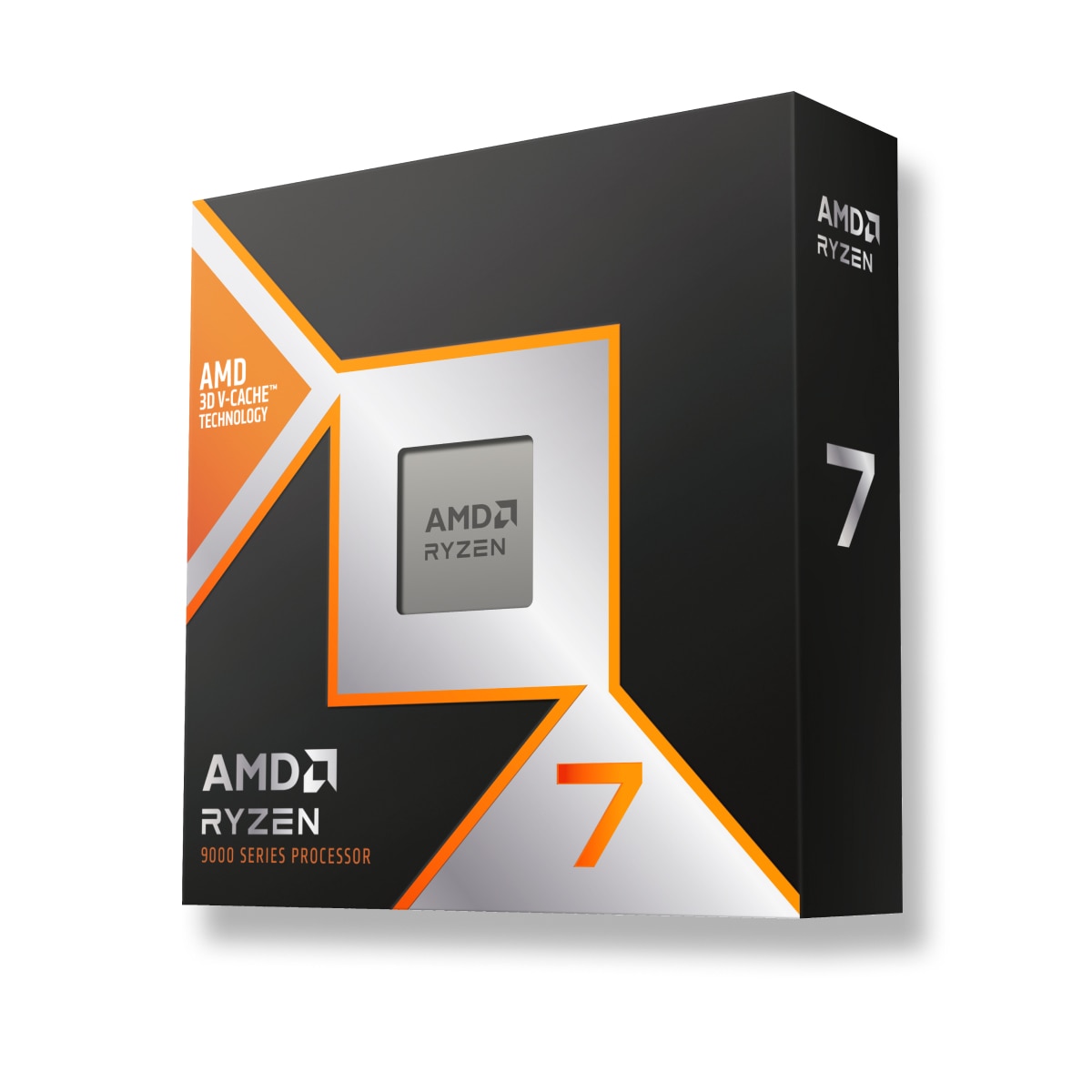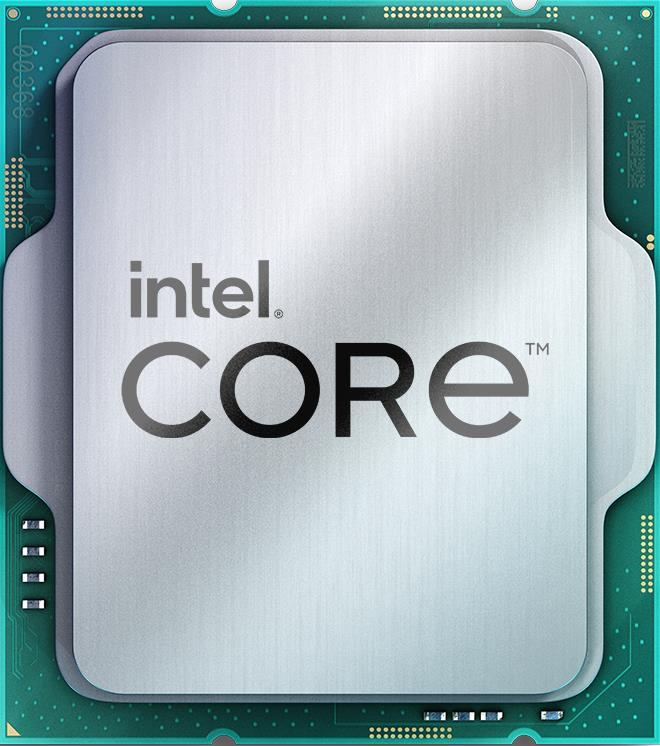
Intel Core i7-13700K
Intel Core i5-7300HQ
Videokarte 1 auswählen
Videokarte 2 auswählen

Intel Core i7-13700K gegen Intel Core i5-7300HQ. Spezifikationen, Leistung, Tests

User rating
star star star star star
Freigegeben
Q4/2022
Intel Core i7-13700K
Freigegeben
Q1/2017
User rating
star star star star star
Intel Core i5-7300HQ

Was ist die beste Wahl? Intel Core i7-13700K oder Intel Core i5-7300HQ? Welcher Prozessor ist schneller?

Wir haben einen Vergleich vorbereitet, um Ihnen die Wahl des besten Prozessors zu erleichtern. Vergleichen Sie ihre Spezifikationen und Benchmarks.

Intel Core i7-13700K has a base frequency of 3.40 GHz. 16 / 24 CPU Cores / Threads. Stated TDP / base power 125 W. Freigegeben in Q4/2022.

Intel Core i5-7300HQ has a base frequency of 2.50 GHz. 4 CPU Cores / Threads. Stated TDP / base power 45 W. Freigegeben in Q1/2017.

Unterschiede

Intel Core i7-13700K Gründe für die Berücksichtigung
Intel Core i7-13700K
Einen Fehler melden
  • Platz in der Gesamtwertung

    (basierend auf mehreren Benchmarks)

    27 left arrow Ort
  • Höhere Taktfrequenz

    Rund um 36% höhere taktfrequenz

    3.40 GHz left arrow 2.50 GHz
  • Größere Anzahl von Kernen

    12 more cores

    16 left arrow 4
  • Höhere Turbotaktfrequenz

    Rund um 54% higher specified turbo frequency

    5.40 GHz left arrow 3.50 GHz

Positionen in allen Ranglisten

Gemeinsame Standpunkte Intel Core i7-13700K CPU in gängigen Benchmarks, zum Vergleich mit anderen Modellen.

  • Cinebench R23 (Single-Core)
    4 place
  • Cinebench R23 (Multi-Core)
    24 place
  • Geekbench 5, 64bit (Single-Core)
    16 place
  • Geekbench 5, 64bit (Multi-Core)
    34 place
  • iGPU - FP32 Performance (Single-precision GFLOPS)
    446 place
Intel Core i5-7300HQ Gründe für die Berücksichtigung
Intel Core i5-7300HQ
Einen Fehler melden
  • Lower stated TDP / base power

    Power limits alone do not measure performance per watt.

    45 W left arrow 125 W

Positionen in allen Ranglisten

Gemeinsame Standpunkte Intel Core i5-7300HQ CPU in gängigen Benchmarks, zum Vergleich mit anderen Modellen.

  • Cinebench R15 (Single-Core)
    469 place
  • Cinebench R15 (Multi-Core)
    532 place
  • Geekbench 5, 64bit (Single-Core)
    589 place
  • Geekbench 5, 64bit (Multi-Core)
    664 place
  • iGPU - FP32 Performance (Single-precision GFLOPS)
    743 place
  • Blender 2.81 (bmw27)
    155 place
  • Geekbench 3, 64bit (Single-Core)
    264 place
  • Geekbench 3, 64bit (Multi-Core)
    341 place
  • Cinebench R11.5, 64bit (Single-Core)
    284 place
  • Cinebench R11.5, 64bit (Multi-Core)
    331 place
  • Cinebench R11.5, 64bit (iGPU, OpenGL)
    49 place
  • Estimated results for PassMark CPU Mark
    550 place

Specifications

Technische Daten
Intel Core i7-13700K Intel Core i7-13700K
Intel Core i5-7300HQ Intel Core i5-7300HQ
CPU-Familie und Gruppe

Hintergrundinformationen zu den verglichenen Prozessoren, Serien, Generationen und Marktsegmenten.

  • CPU Gruppe
    Intel Core i 13000 left arrow Intel Core i 7000H
  • Serie
    13th Generation Intel Core i7 Processors left arrow Intel Core i5
  • Generation
    13 left arrow 7
  • Vergangenes Modell
    Intel Core i7-12700K left arrow -
  • Processor Number
    i7-13700K left arrow -
  • Segment
    Desktop left arrow Mobile
  • Successor
    Nein left arrow -
Technische Daten der CPU

Core counts, threads, cache and clock modes describe the CPU configuration. Performance depends on the workload and comparable measured results.

  • A-Core
    3.40 GHz (5.50 GHz) left arrow -
  • B-Core
    2.80 GHz (4.00 GHz) left arrow -
  • Base Frequency
    3.4 GHz left arrow 2.5 GHz
  • Zentrale Architektur
    hybrid left arrow normal
  • CPU Kerne
    16 left arrow 4
  • CPU Threads
    24 left arrow 4
  • E-core Base Clock
    2.5 GHz left arrow -
  • E-core Max Turbo
    4.2 GHz left arrow -
  • Efficient Cores
    8 left arrow -
  • Hyperthreading / SMT
    Ja left arrow Nein
  • Max. Boost Clock
    5.4 GHz left arrow -
  • Übertaktung
    Ja left arrow Nein
  • P-core Base Clock
    3.4 GHz left arrow -
  • P-core Max Turbo
    5.3 GHz left arrow -
  • Performance Cores
    8 left arrow -
  • Turbo Frequency (1 Core)
    Nein left arrow 3.5 GHz
  • Turbo Frequency (2 Cores)
    kein Turbo left arrow -
  • Turbo Frequency (4 Cores)
    - left arrow 3.1 GHz
IGPU

Interne Grafik beeinträchtigt nicht die Leistung der CPU, sondern übernimmt die Arbeit der Grafikkarte bei deren Abwesenheit oder auf mobilen Geräten.

  • DirectX Version
    12 left arrow 12
  • Ausführungseinheiten
    32 left arrow 24
  • Generation
    12 left arrow 9.5
  • GPU Frequency
    400 MHz left arrow 300 MHz
  • GPU-Name
    Intel UHD Graphics 770 left arrow Intel HD Graphics 630
  • GPU Turbo
    1600 MHz left arrow 1100 MHz
  • Graphics Base Frequency
    300 MHz left arrow -
  • Graphics Output
    eDP 1.4b, DP 1.4a, HDMI 2.1 left arrow -
  • Max. displays
    4 left arrow 3
  • Max. GPU Memory
    16 GB left arrow 64 GB
  • Datum der Veröffentlichung
    Q4/2022 left arrow Q2/2016
  • Shader
    256 left arrow 192
  • technisches verfahren
    10 nm left arrow 14 nm
Hardware Codec Unterstützung

Integrierte Codecs für die Kodierung und Dekodierung von Inhalten. Erhebliche Beschleunigung der erforderlichen Vorgänge.

  • AV1
    Decode left arrow Nein
  • H.264 / AVC
    Decode / Encode left arrow Decode / Encode
  • h265 / HEVC (8 bit)
    Decode / Encode left arrow Decode / Encode
  • h265 / HEVC (10 bit)
    Decode / Encode left arrow Decode / Encode
  • JPEG
    Decode / Encode left arrow Decode / Encode
  • VC-1
    Decode left arrow Decode
  • VP8
    Decode left arrow Decode / Encode
  • VP9
    Decode / Encode left arrow Decode / Encode
Speicherspezifikationen & PCI

Typen, Kanalmenge des RAM, unterstützt von Intel Core i5-7300HQ und Intel Core i7-13700K. Je nach Motherboard können höhere oder niedrigere Speicherfrequenzen unterstützt werden.

  • ECC
    Ja left arrow Nein
  • Max. Speicher
    192 GB left arrow -
  • Memory Bandwidth
    89.8 GB/s left arrow -
  • Speicherkanäle
    2 left arrow 2
  • Speicher Typ
    Up to DDR5 5600 MT/s Up to DDR4 3200 MT/s left arrow DDR4-2400 SO-DIMM
  • PCIe
    5.0 x 20 left arrow -
  • PCIe-Lanes
    20 left arrow 16
  • PCIe-Version
    5.0 and 4.0 left arrow 3.0
Verschlüsselung
  • AES-NI
    Ja left arrow Ja
Energieverbrauch

Vergleichen Sie die TDP-Anforderungen von TDP Intel Core i7-13700K und Intel Core i5-7300HQ Power specifications describe different manufacturer limits. TDP, base power and maximum turbo power are separate values; they do not establish measured system consumption.

  • Maximum Operating Temperature
    100 °C left arrow -
  • Maximum Turbo Power
    253 W left arrow -
  • Processor Base Power (PBP)
    125 W left arrow -
  • TDP (PL1, legacy label)
    125 W left arrow 45 W
  • TDP (PL2)
    241 W left arrow -
  • TDP down
    Nein left arrow -
  • TDP up
    Nein left arrow -
Technologien und Erweiterungen

Architektur, Schnittstellen, zusätzliche Anweisungen, die von Intel Core i7-13700K und Intel Core i5-7300HQ, Technologien für virtuelle Maschinen und Verfahrenstechnik.

  • Architektur
    Raptor Lake S left arrow Kaby Lake H
  • Cache (manufacturer label)
    30 MB Intel Smart Cache left arrow -
  • Codename
    Products formerly Raptor Lake left arrow -
  • Befehlssatz (ISA)
    x86-64 (64 bit) left arrow x86-64 (64 bit)
  • ISA-Erweiterungen
    SSE4.1, SSE4.2, AVX2, AVX2+ left arrow SSE4.1, SSE4.2, AVX2
  • L2-Cache
    Conflicting source values: 22 MB | 24 MB (Total cache capacity) left arrow -
  • L3-Cache
    30 MB left arrow 6 MB
  • Marketing Status (manufacturer label)
    Launched left arrow -
  • Datum der Veröffentlichung
    Q4/2022 left arrow Q1/2017
  • Steckdose
    FCLGA1700 left arrow BGA 1440
  • technisches verfahren
    Intel 7 (Manufacturer process designation) left arrow 14 nm
  • Use Conditions
    PC/Client/Tablet, Workstation left arrow -
  • Virtualisierung
    VT-x, VT-x EPT, VT-d left arrow VT-x, VT-x EPT, VT-d

Benchmarks (tests)

Leistungstests CPUs
Individual model tests

These results have no shared test of both models with the same version and settings. They are shown separately without a percentage difference.

Intel Core i7-13700K

More results: 6

Intel Core i5-7300HQ

Individual system tests

Results were obtained on the reported systems. Test versions and settings remain separate; incomplete conditions do not support calculated model performance differences.

RandomX / XMRig 6.26.0 / 1M / 24 threads / windows

Model ResultReported conditions
Intel Core i7-13700K 4441.838566 H/s RandomX / XMRig 6.26.0 / 1M / 24 threads / windows
System RAM: 16 GB
OS: Windows NT 10.0
Motherboard: ASUSTeK COMPUTER INC. / PRIME Z790-P WIFI D4
Duration: 225.132 s
User-submitted run; tuning and power settings are incomplete.

Anhand der Ergebnisse mehrerer Benchmarks können Sie den Leistungsunterschied zwischen Intel Core i7-13700K und Intel Core i5-7300HQ.

Vergleichen Sie die synthetischen Testwerte und wählen Sie den besten Prozessor!

These are saved results from the earlier catalog. Measurement dates and test configurations were not recorded. Models with no comparable results are omitted.

Recent models: test results with identified primary sources — Cinebench R23 · Cinebench R20 · Cinebench R15 · Cinebench 2026 · RandomX benchmark

Geekbench 5, 64bit (Single-Core)
Geekbench 5 SC ist ein beliebter plattformübergreifender Leistungstest für Desktop- oder Mobilprozessoren, der den Systemspeicher intensiv nutzt.

Higher values are better in this metric.

2090.000000
Intel Core i7-13700K
839.000000
Intel Core i5-7300HQ
Geekbench 5, 64bit (Multi-Core)
Geekbench 5 MC ist ein beliebter plattformübergreifender Leistungstest für Desktop- oder Mobilprozessoren, der den Systemspeicher intensiv nutzt.

Higher values are better in this metric.

16542.000000
Intel Core i7-13700K
2648.000000
Intel Core i5-7300HQ
iGPU - FP32 Performance (Single-precision GFLOPS)
Die Leistung der iGPU - der internen GPU in Spielen.

Higher values are better in this metric.

741.000000
Intel Core i7-13700K
422.000000
Intel Core i5-7300HQ

Letzte Vergleiche