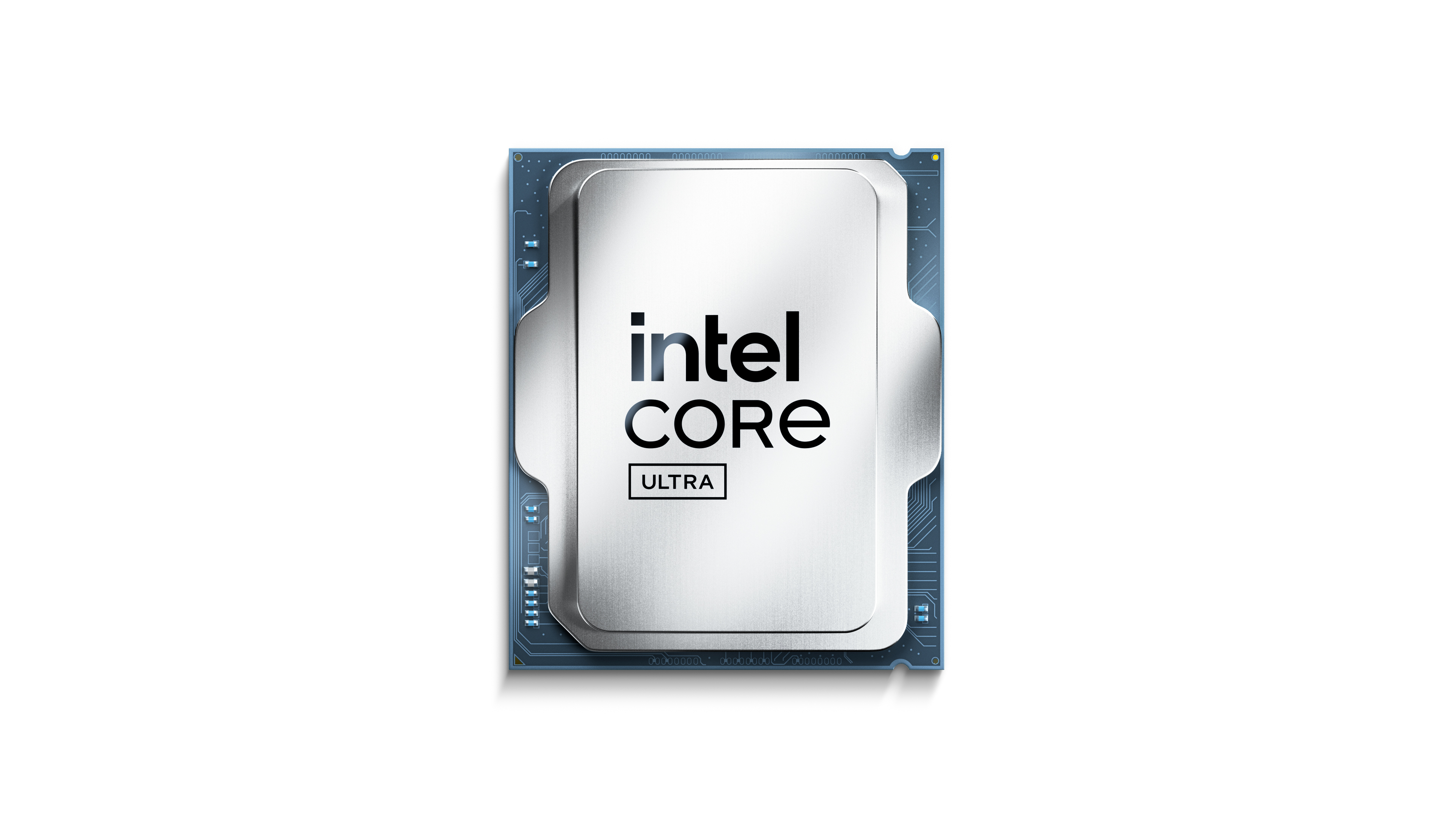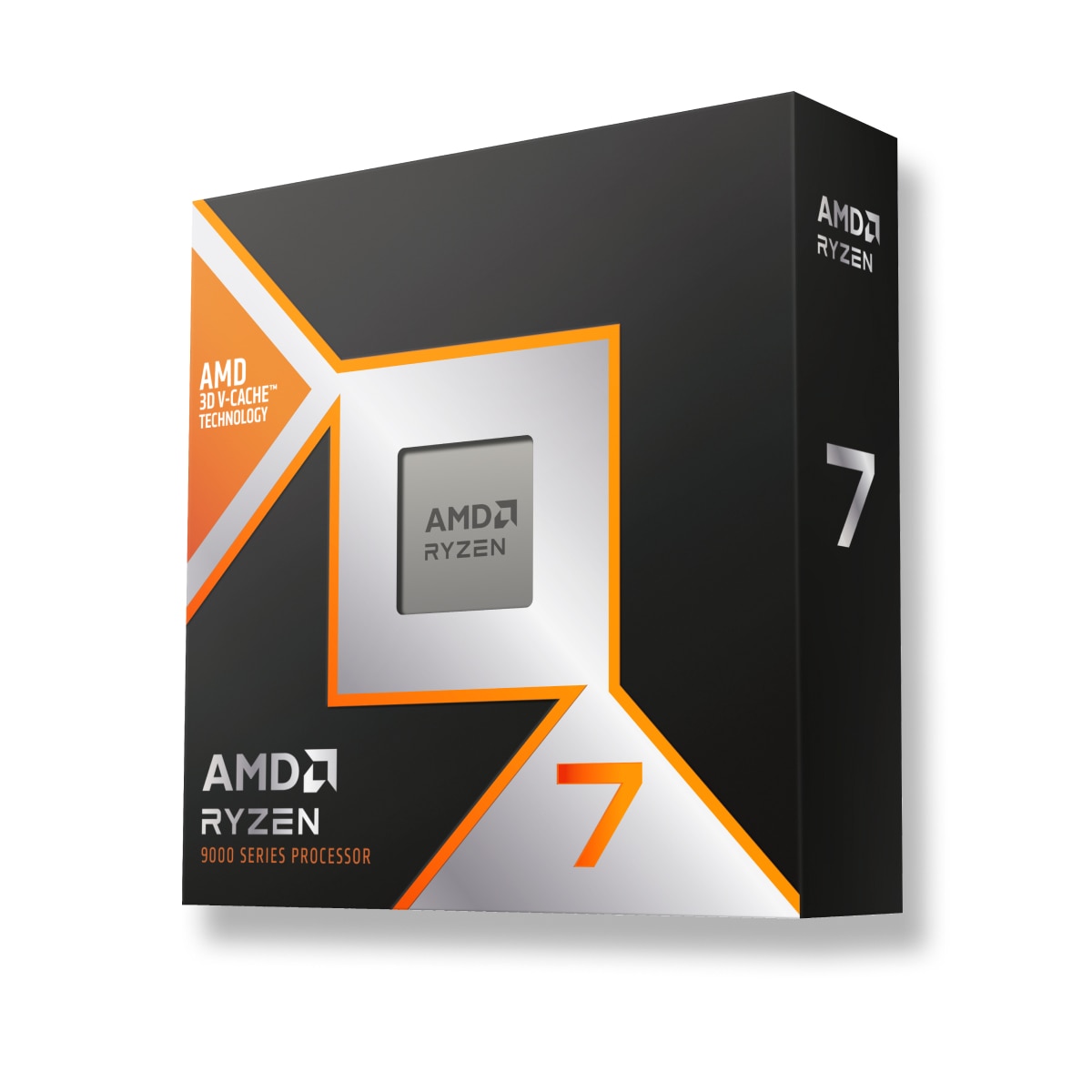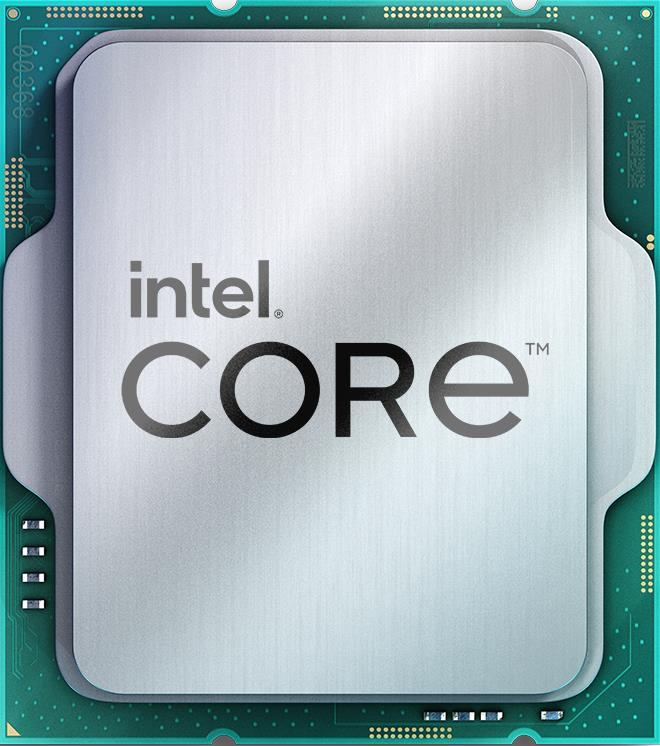

Intel Core i9-10900X
Intel Core i7-2600K
Select video card 1
Select video card 2

Intel Core i9-10900X vs Intel Core i7-2600K. Specifications, performance, tests

User rating
star star star star star
Released
Q4/2019
Intel Core i9-10900X
Released
Q1/2011
User rating
star star star star star
Intel Core i7-2600K
Intel Core i7-2600K

What's the best choice Intel Core i9-10900X or Intel Core i7-2600K? Which processor is faster?

We have prepared a comparison to help you choose the best processor. Compare their specifications and benchmarks.

Intel Core i9-10900X has a base frequency of 3.70 GHz. 10 CPU Cores / Threads. Stated TDP / base power 165 W. Released in Q4/2019.

Intel Core i7-2600K has a base frequency of 3.40 GHz. 4 CPU Cores / Threads. Stated TDP / base power 95 W. Released in Q1/2011.

Differences

  • Place in the overall ranking

    (based on several benchmarks)

    73 left arrow place
  • Higher clock speed

    Around 9% better clock speed

    3.70 GHz left arrow 3.40 GHz
  • More number of cores

    6 more cores

    10 left arrow 4
  • Higher turbo clock speed

    Around 24% higher specified turbo frequency

    4.70 GHz left arrow 3.80 GHz

Positions in all rankings

Common positions Intel Core i9-10900X CPU in popular benchmarks, for comparison with other models.

  • Cinebench R23 (Single-Core)
    204 place
  • Cinebench R23 (Multi-Core)
    82 place
  • Cinebench R15 (Single-Core)
    114 place
  • Cinebench R15 (Multi-Core)
    93 place
  • Geekbench 5, 64bit (Single-Core)
    272 place
  • Geekbench 5, 64bit (Multi-Core)
    109 place
  • Blender 2.81 (bmw27)
    21 place
  • Lower stated TDP / base power

    Power limits alone do not measure performance per watt.

    95 W left arrow 165 W

Positions in all rankings

Common positions Intel Core i7-2600K CPU in popular benchmarks, for comparison with other models.

  • Cinebench R20 (Single-Core)
    452 place
  • Cinebench R20 (Multi-Core)
    266 place
  • Cinebench R15 (Single-Core)
    627 place
  • Cinebench R15 (Multi-Core)
    481 place
  • Geekbench 5, 64bit (Single-Core)
    618 place
  • Geekbench 5, 64bit (Multi-Core)
    569 place
  • iGPU - FP32 Performance (Single-precision GFLOPS)
    1172 place
  • Blender 2.81 (bmw27)
    156 place
  • Geekbench 3, 64bit (Single-Core)
    414 place
  • Geekbench 3, 64bit (Multi-Core)
    301 place
  • Cinebench R11.5, 64bit (Single-Core)
    284 place
  • Cinebench R11.5, 64bit (Multi-Core)
    289 place
  • Cinebench R11.5, 64bit (iGPU, OpenGL)
    176 place
  • Estimated results for PassMark CPU Mark
    478 place

Specifications

Technical data
Intel Core i9-10900X Intel Core i9-10900X
Intel Core i7-2600K Intel Core i7-2600K
CPU family and group

Background information about the processors being compared, series, generation and market segment.

  • CPU group
    Intel Core i 10000X left arrow Intel Core i 2000
  • Family
    Intel Core i9 left arrow Intel Core i7
  • Generation
    10 left arrow 2
  • Segment
    Desktop / Server left arrow Desktop / Server
CPU Technical specs

Core counts, threads, cache and clock modes describe the CPU configuration. Performance depends on the workload and comparable measured results.

  • Base Frequency
    3.7 GHz left arrow 3.4 GHz
  • Core architecture
    normal left arrow normal
  • CPU Cores
    10 left arrow 4
  • CPU Threads
    20 left arrow 8
  • Hyperthreading / SMT
    Yes left arrow Yes
  • Overclocking
    Yes left arrow Yes
  • Turbo Frequency (1 Core)
    4.7 GHz left arrow 3.8 GHz
  • Turbo Frequency (10 Cores)
    4.5 GHz left arrow -
  • Turbo Frequency (4 Cores)
    - left arrow 3.8 GHz
IGPU

Internal Graphics does not affect the performance of the CPU, performs the work of the graphics card in its absence or on mobile devices.

  • GPU name
    None left arrow Intel HD Graphics 3000
  • DirectX Version
    - left arrow 10.1
  • Execution units
    - left arrow 12
  • Generation
    - left arrow 6
  • GPU Frequency
    - left arrow 850 MHz
  • GPU Turbo
    - left arrow 1350 MHz
  • Max. displays
    - left arrow 2
  • Release date
    - left arrow Q1/2011
  • Shader
    - left arrow 96
  • Technology
    - left arrow 32 nm
Hardware codec support

Built-in codecs used to encode and decode content. Significantly speeds up the required operations.

  • AV1
    No left arrow No
  • H.264 / AVC
    No left arrow Decode / Encode
  • h265 / HEVC (8 bit)
    No left arrow No
  • h265 / HEVC (10 bit)
    No left arrow No
  • JPEG
    No left arrow No
  • VC-1
    No left arrow Decode
  • VP8
    No left arrow No
  • VP9
    No left arrow No
Memory specs & PCI

Types, channel quantity of RAM supported by Intel Core i7-2600K and Intel Core i9-10900X. Depending on the motherboards, higher or lower memory frequencies may be supported.

  • ECC
    No left arrow No
  • Max. Memory
    256 GB left arrow 32 GB
  • Memory channels
    4 left arrow 2
  • Memory type
    DDR4-2933 left arrow DDR3-1066DDR3-1333
  • PCIe lanes
    48 left arrow 16
  • PCIe version
    3.0 left arrow 2.0
Encryption
  • AES-NI
    Yes left arrow Yes
Thermal Management

Compare the TDP requirements of TDP Intel Core i9-10900X and Intel Core i7-2600K Power specifications describe different manufacturer limits. TDP, base power and maximum turbo power are separate values; they do not establish measured system consumption.

  • Maximum Operating Temperature
    94 °C left arrow -
  • TDP (PL1, legacy label)
    165 W left arrow 95 W
Technologies and extensions

Architecture, interfaces, additional instructions supported by Intel Core i9-10900X and Intel Core i7-2600K, virtual machine technologies and process technology.

  • Architecture
    Cascade Lake left arrow Sandy Bridge S
  • Instruction set (ISA)
    x86-64 (64 bit) left arrow x86-64 (64 bit)
  • ISA extensions
    SSE4.1, SSE4.2, AVX2, AVX-512 left arrow SSE4.1, SSE4.2, AVX
  • L3-Cache
    19.25 MB left arrow 8 MB
  • Release date
    Q4/2019 left arrow Q1/2011
  • Socket
    LGA 2066 left arrow LGA 1155
  • Technology
    14 nm left arrow 32 nm
  • Virtualization
    VT-x, VT-x EPT, VT-d left arrow VT-x, VT-x EPT

Benchmarks

Performance tests CPUs

Based on the results of several benchmarks, you can more accurately estimate the difference in performance between Intel Core i9-10900X and Intel Core i7-2600K.

Compare the synthetic test values and choose the best processor!

These are saved results from the earlier catalog. Measurement dates and test configurations were not recorded. Models with no comparable results are omitted.

Recent models: test results with identified primary sources — Cinebench R23 · Cinebench R20 · Cinebench R15 · Cinebench 2026 · RandomX benchmark

Cinebench R15 (Single-Core)
The Cinebench R15 SC stresses the computing modules of a desktop or laptop computer to their limits and accurately determines the key performance parameters of the hardware

Higher values are better in this metric.

198.000000
Intel Core i9-10900X
128.000000
Intel Core i7-2600K
Cinebench R15 (Multi-Core)
The Cinebench R15 MC stresses the computing modules of a desktop or laptop computer to their limits and accurately determines the key performance parameters of the hardware

Higher values are better in this metric.

2358.000000
Intel Core i9-10900X
612.000000
Intel Core i7-2600K
Geekbench 5, 64bit (Single-Core)
Geekbench 5 SC is a popular cross-platform performance test for desktop or mobile processors that uses system memory intensively

Higher values are better in this metric.

1171.000000
Intel Core i9-10900X
808.000000
Intel Core i7-2600K
Geekbench 5, 64bit (Multi-Core)
Geekbench 5 MC is a popular cross-platform performance test for desktop or mobile processors that uses system memory intensively

Higher values are better in this metric.

10651.000000
Intel Core i9-10900X
3098.000000
Intel Core i7-2600K
Blender 2.81 (bmw27)
Blender is Open Source Software, creating predefined 3D scenes and measuring the time to execute them

Lower values are better; time in seconds.

135.400000
Intel Core i9-10900X
741.600000
Intel Core i7-2600K

Latest comparisons