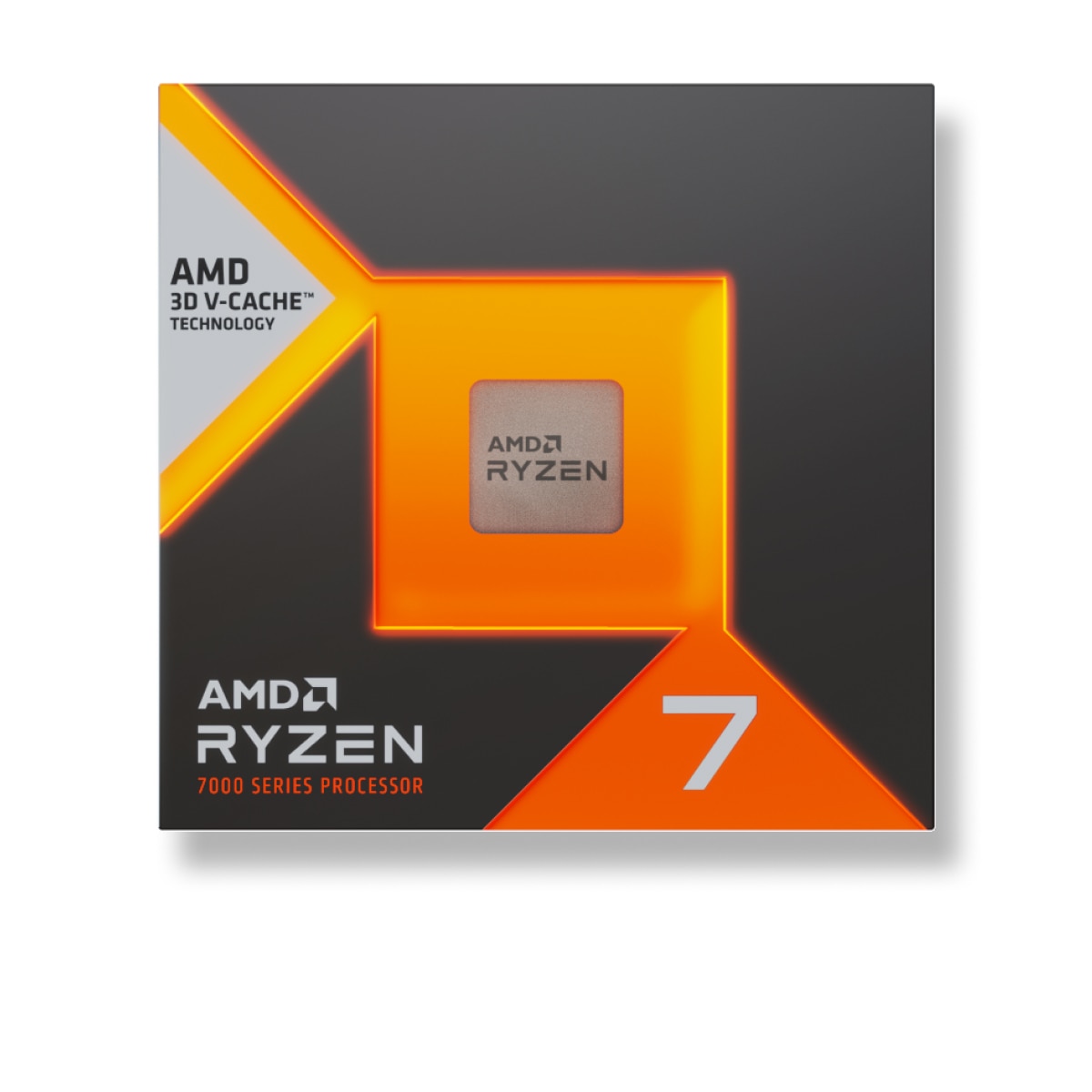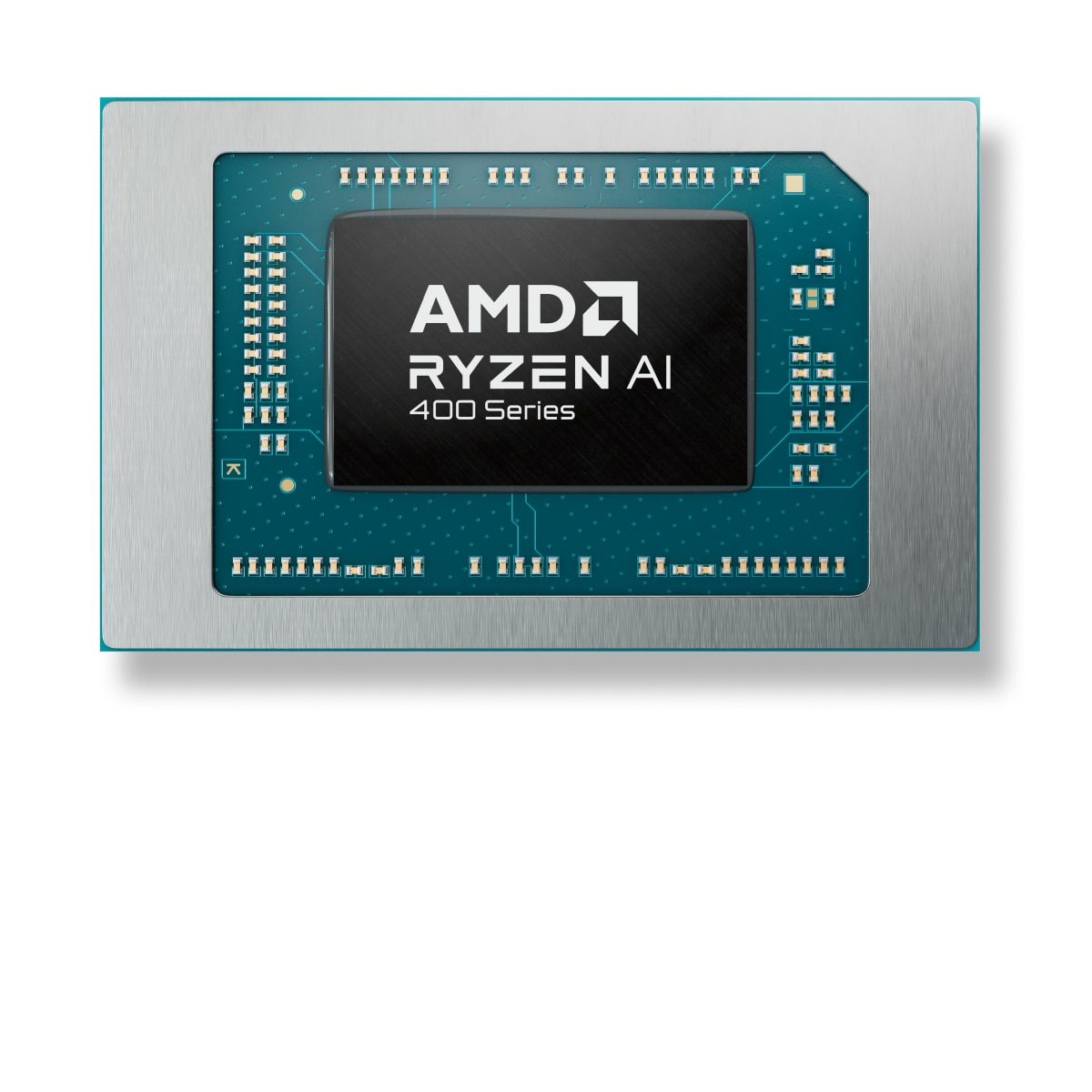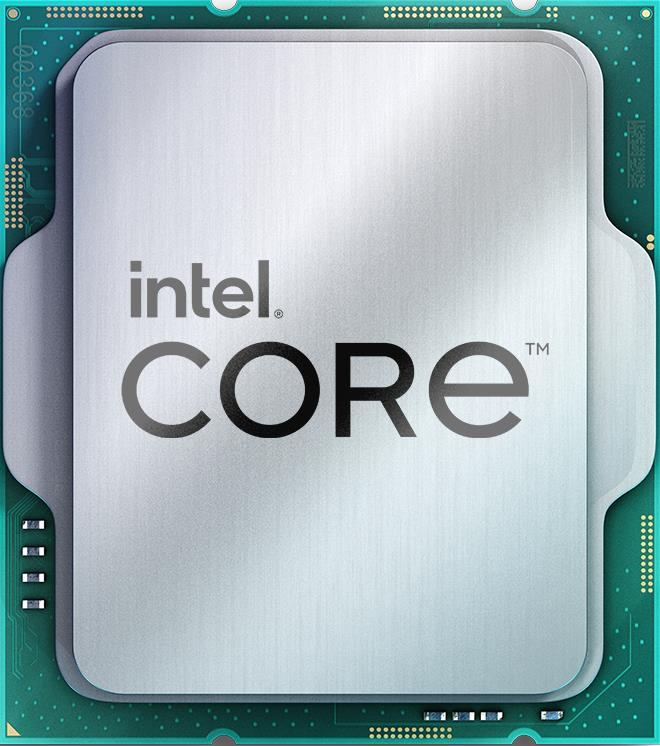
What's the best choice AMD EPYC 9274F or Intel Core i9-13900K? Which processor is faster?
Compare the available specifications of these models.
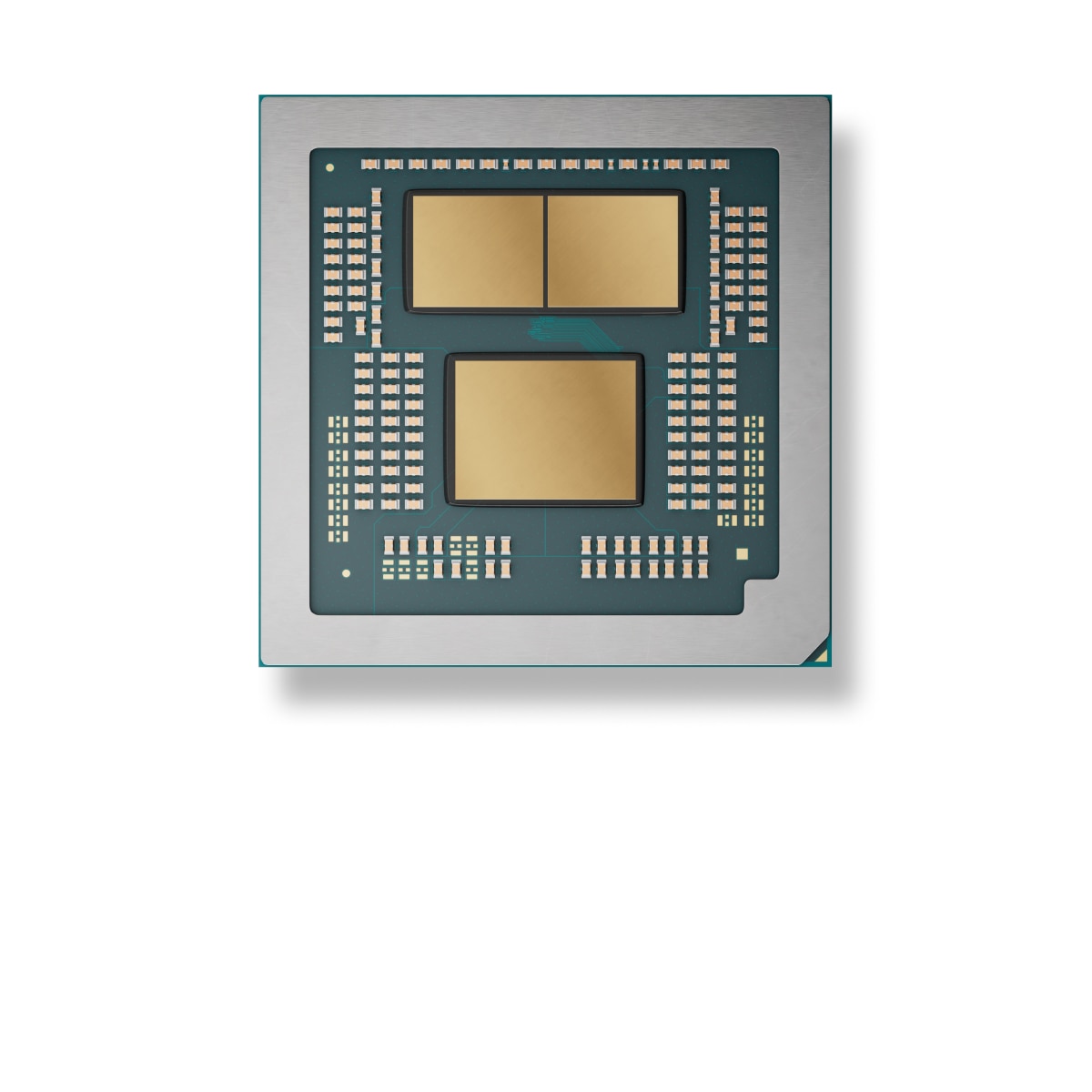
AMD EPYC 9274F has a base frequency of 4.05 GHz. 24 / 48 CPU Cores / Threads. Stated TDP / base power 320 W. Released in Q4/2022.
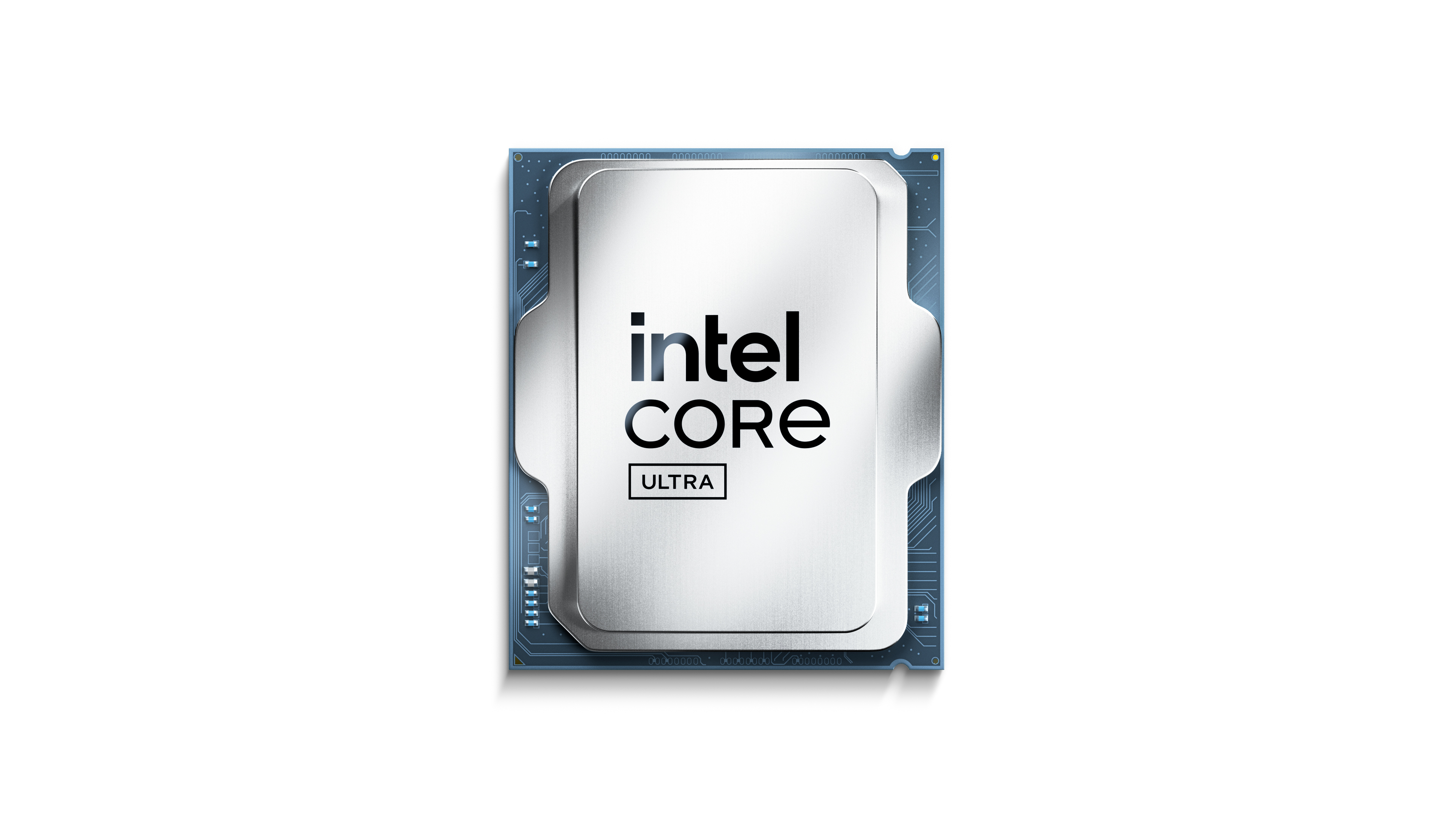
Intel Core i9-13900K has a base frequency of 3.80 GHz. 24 CPU Cores / Threads. Stated TDP / base power 125 W. Released in Q4/2022.
Reasons to consider Higher clock speed
Around 7% better clock speed
 3.80 GHz
Reasons to consider
Place in the overall ranking
(based on several benchmarks)
 place
Lower stated TDP / base power
Power limits alone do not measure performance per watt.
320 W
Common positions Intel Core i9-13900K CPU in popular benchmarks, for comparison with other models.
AMD EPYC 9274F
Background information about the processors being compared, series, generation and market segment.
 Intel Core i 13000
Intel Core i9
13
Intel Core i9-12900K
Desktop / Server
No
Core counts, threads, cache and clock modes describe the CPU configuration. Performance depends on the workload and comparable measured results.
3.8 GHz
hybrid
-
24
32
Yes
No
No
-
8x Raptor Cove / 3.80 GHz (5.70 GHz)
16x Gracemont / 3.00 GHz (4.20 GHz)
No turbo
Internal Graphics does not affect the performance of the CPU, performs the work of the graphics card in its absence or on mobile devices.
12
32
12
400 MHz
Intel Iris Xe Graphics 32
1450 MHz
4
16 GB
Q4/2022
256
10 nm
Built-in codecs used to encode and decode content. Significantly speeds up the required operations.
Decode
Decode / Encode
Decode / Encode
Decode / Encode
Decode / Encode
Decode
Decode
Decode / Encode
Types, channel quantity of RAM supported by Intel Core i9-13900K and AMD EPYC 9274F. Depending on the motherboards, higher or lower memory frequencies may be supported.
Yes
128 GB
89.6 GB/s
2
DDR5-5600
5.0 x 20
Yes
Compare the TDP requirements of TDP AMD EPYC 9274F and Intel Core i9-13900K Power specifications describe different manufacturer limits. TDP, base power and maximum turbo power are separate values; they do not establish measured system consumption.
100 °C
125 W
241 W
No
No
Architecture, interfaces, additional instructions supported by AMD EPYC 9274F and Intel Core i9-13900K, virtual machine technologies and process technology.
Raptor Lake S
-
-
x86-64 (64 bit)
SSE4.1, SSE4.2, AVX2, AVX2+
32 MB
36 MB
-
-
Q4/2022
-
LGA 1700
10 nm
VT-x, VT-x EPT, VT-d
These results have no shared test of both models with the same version and settings. They are shown separately without a percentage difference.
Published measurements are separate from the archived index. Incomplete conditions and unknown run counts do not support ranking positions or calculated performance differences.
| Model | Test | Result | Reported conditions |
|---|---|---|---|
| Intel Core i9-13900K | Cinebench R15 / multi-core | 6191 points | Graphics card: GeForce RTX 3090 |
| Intel Core i9-13900K | Cinebench R15 / single-core | 327 points | Graphics card: GeForce RTX 3090 |
| Intel Core i9-13900K | Cinebench R20 / multi-core | 15181 points | Graphics card: GeForce RTX 3090 |
| Intel Core i9-13900K | Cinebench R20 / single-core | 828 points | Graphics card: GeForce RTX 3090 |
| Intel Core i9-13900K | Cinebench R23 / multi-core | 40103 points | Graphics card: GeForce RTX 3090 |
| Intel Core i9-13900K | Cinebench R23 / single-core | 2267 points | Graphics card: GeForce RTX 3090 |
Results were obtained on the reported systems. Test versions and settings remain separate; incomplete conditions do not support calculated model performance differences.
| Model | Result | Reported conditions |
|---|---|---|
| Intel Core i9-13900K | 9028.644277 H/s | RandomX / XMRig 6.22.2 / 10M / 32 threads / windows System RAM: 32 GB OS: Windows NT 10.0 Motherboard: ASRock / B760M-H2/M.2 Duration: 1107.586 s User-submitted run; tuning and power settings are incomplete. |
| Model | Result | Reported conditions |
|---|---|---|
| AMD EPYC 9274F | 23028.580772 H/s | RandomX / XMRig 6.22.2 / 10M / 48 threads / linux System RAM: 512 GB OS: Linux x86_64 Motherboard: ASUSTeK COMPUTER INC. / K14PA-U24 Series Duration: 434.243 s User-submitted run; tuning and power settings are incomplete. |


 Russian
 German
 Portuguese
 Italian
 French
 Japan
 Spanish
 Polish
 Chinese
 Korean