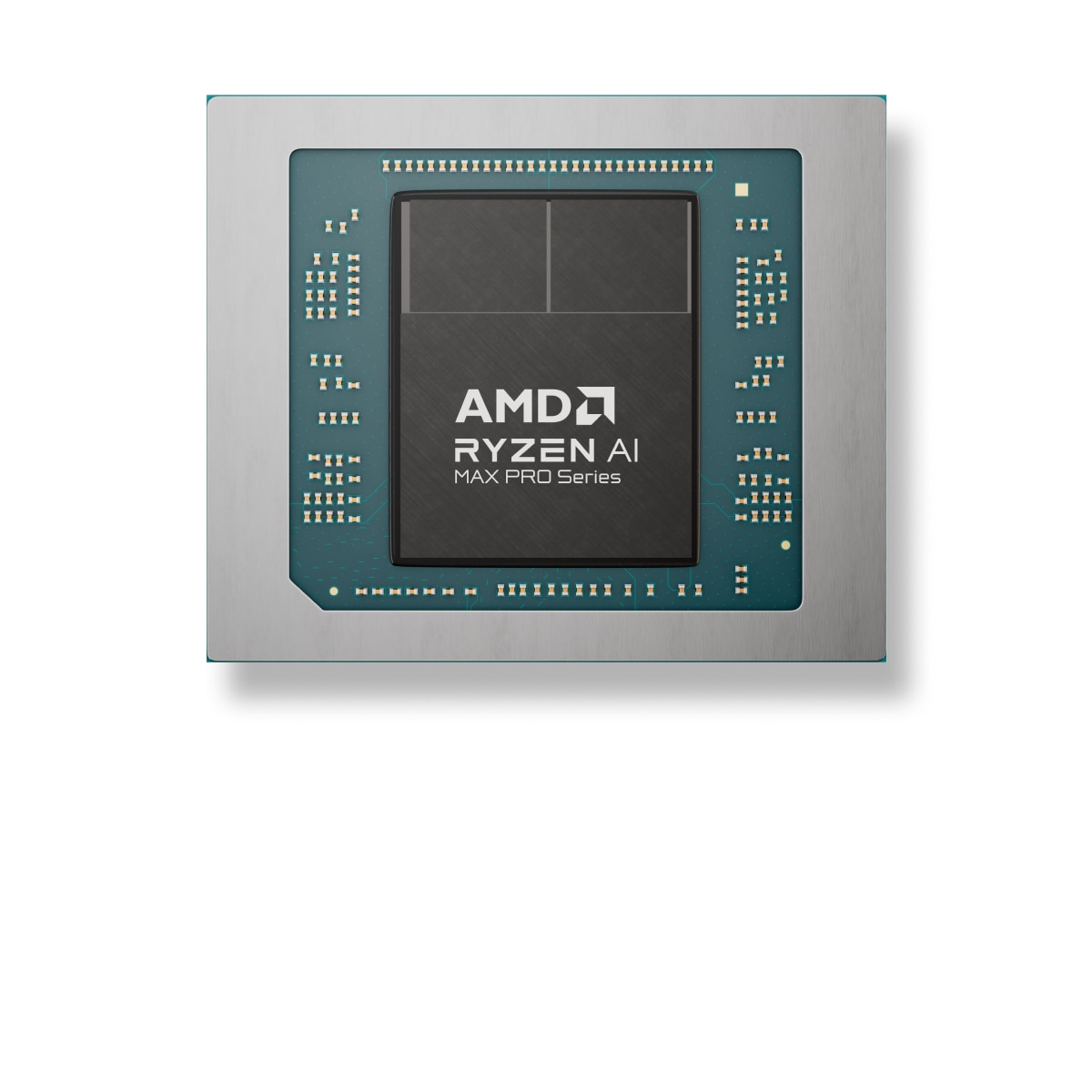
AMD Epyc 7401P
Intel Core i5-10500
Wybierz kartę graficzną 1
Wybierz kartę graficzną 2

AMD Epyc 7401P kontra Intel Core i5-10500. Specyfikacje, wydajność, testy

User rating
star star star star star
Wydany
Q3/2017
AMD Epyc 7401P
AMD Epyc 7401P
Wydany
Q2/2020
User rating
star star star star star
Intel Core i5-10500
Intel Core i5-10500

Jaki jest najlepszy wybór AMD Epyc 7401P lub Intel Core i5-10500? Który procesor jest szybszy?

Przygotowaliśmy porównanie, które pomoże Ci wybrać najlepszy procesor. Porównaj ich specyfikacje i benchmarki.

AMD Epyc 7401P has a base frequency of 2.00 GHz. 24 CPU Cores / Threads. Stated TDP / base power 170 W. Wydany w Q3/2017.

Intel Core i5-10500 has a base frequency of 3.10 GHz. 6 CPU Cores / Threads. Stated TDP / base power 65 W. Wydany w Q2/2020.

Różnice

AMD Epyc 7401P Powody do rozważenia
AMD Epyc 7401P
Zgłoś błąd
  • Większa liczba rdzeni

    18 more cores

    24 left arrow 6

Pozycje we wszystkich rankingach

Wspólne stanowiska AMD Epyc 7401P Procesor w popularnych benchmarkach, dla porównania z innymi modelami.

  • Cinebench R15 (Single-Core)
    575 place
  • Cinebench R15 (Multi-Core)
    52 place
  • Geekbench 5, 64bit (Single-Core)
    776 place
  • Geekbench 5, 64bit (Multi-Core)
    235 place
  • Geekbench 3, 64bit (Single-Core)
    313 place
  • Geekbench 3, 64bit (Multi-Core)
    41 place
  • Cinebench R11.5, 64bit (Single-Core)
    301 place
  • Cinebench R11.5, 64bit (Multi-Core)
    36 place
  • Estimated results for PassMark CPU Mark
    142 place
  • Miejsce w rankingu ogólnym

    (w oparciu o kilka benchmarków)

    157 left arrow miejsce
  • Wyższa prędkość zegara

    Wokół 55% lepsza prędkość zegara

    3.10 GHz left arrow 2.00 GHz
  • Wyższa prędkość zegara turbo

    Wokół 50 % higher specified turbo frequency

    4.50 GHz left arrow 3.00 GHz
  • Lower stated TDP / base power

    Power limits alone do not measure performance per watt.

    65 W left arrow 170 W

Pozycje we wszystkich rankingach

Wspólne stanowiska Intel Core i5-10500 Procesor w popularnych benchmarkach, dla porównania z innymi modelami.

  • Cinebench R23 (Single-Core)
    227 place
  • Cinebench R23 (Multi-Core)
    177 place
  • Cinebench R20 (Single-Core)
    161 place
  • Cinebench R20 (Multi-Core)
    178 place
  • Cinebench R15 (Single-Core)
    101 place
  • Cinebench R15 (Multi-Core)
    202 place
  • Geekbench 5, 64bit (Single-Core)
    295 place
  • Geekbench 5, 64bit (Multi-Core)
    303 place
  • Monero Hashrate kH/s
    77 place
  • iGPU - FP32 Performance (Single-precision GFLOPS)
    587 place

Specyfikacje

Dane techniczne
AMD Epyc 7401P AMD Epyc 7401P
Intel Core i5-10500 Intel Core i5-10500
Rodzina i grupa CPU

Informacje ogólne o porównywanych procesorach, serii, generacji i segmencie rynku.

  • Grupa CPU
    AMD Epyc 7001 left arrow Intel Core i 10000
  • Seria
    AMD Epyc left arrow Intel Core i5
  • Pokolenie
    1 left arrow 10
  • Model z przeszłości
    - left arrow Intel Core i5-9500
  • Segment
    Desktop / Server left arrow Desktop / Server
  • Successor
    - left arrow Intel Core i5-11500
Specyfikacja techniczna procesora

Core counts, threads, cache and clock modes describe the CPU configuration. Performance depends on the workload and comparable measured results.

  • Base Frequency
    2 GHz left arrow 3.1 GHz
  • Architektura podstawowa
    normal left arrow normal
  • Rdzenie CPU
    24 left arrow 6
  • CPU Threads
    48 left arrow 12
  • Hyperthreading / SMT
    Tak left arrow Tak
  • Overclocking
    Nie left arrow Nie
  • Turbo Frequency (1 Core)
    3 GHz left arrow 4.5 GHz
  • Turbo Frequency (24 Cores)
    2.8 GHz left arrow -
  • Turbo Frequency (6 Cores)
    - left arrow 4.2 GHz
IGPU

Internal Graphics nie wpływa na wydajność procesora, wykonuje pracę karty graficznej w przypadku jej braku lub na urządzeniach mobilnych.

  • DirectX Version
    - left arrow 12
  • Jednostki wykonawcze
    - left arrow 24
  • Pokolenie
    - left arrow 9.5
  • GPU Frequency
    - left arrow 350 MHz
  • Nazwa procesora graficznego
    brak iGPU left arrow Intel UHD Graphics 630
  • GPU Turbo
    No turbo left arrow 1200 MHz
  • Max. displays
    - left arrow 3
  • Max. GPU Memory
    - left arrow 64 GB
  • Data wydania
    - left arrow Q4/2017
  • Shader
    - left arrow 192
  • Proces technologiczny
    - left arrow 14 nm
Obsługa kodeków sprzętowych

Wbudowane kodeki wykorzystywane do kodowania i dekodowania treści. Znacznie przyspiesza wymagane operacje.

  • AV1
    Nie left arrow Nie
  • H.264 / AVC
    Nie left arrow Decode / Encode
  • h265 / HEVC (8 bit)
    Nie left arrow Decode / Encode
  • h265 / HEVC (10 bit)
    Nie left arrow Decode / Encode
  • JPEG
    Nie left arrow Decode / Encode
  • VC-1
    Nie left arrow Decode
  • VP8
    Nie left arrow Decode / Encode
  • VP9
    Nie left arrow Decode / Encode
Specyfikacja pamięci i PCI

Typy, kanały ilość pamięci RAM obsługiwanych przez Intel Core i5-10500 oraz AMD Epyc 7401P. W zależności od płyt głównych mogą być obsługiwane wyższe lub niższe częstotliwości pamięci.

  • ECC
    Tak left arrow Nie
  • Max. Pamięć
    - left arrow 128 GB
  • Kanały pamięci
    8 left arrow 2
  • Typ pamięci
    DDR4-2666 left arrow DDR4-2666
  • Pasma PCIe
    128 left arrow 16
  • Wersja PCIe
    3.0 left arrow 3.0
Szyfrowanie
  • AES-NI
    Tak left arrow Tak
Zużycie energii

Porównaj wymagania TDP AMD Epyc 7401P oraz Intel Core i5-10500 Power specifications describe different manufacturer limits. TDP, base power and maximum turbo power are separate values; they do not establish measured system consumption.

  • Maximum Operating Temperature
    - left arrow 100 °C
  • TDP (PL1, legacy label)
    170 W left arrow 65 W
Technologie i rozszerzenia

Architektura, interfejsy, dodatkowe instrukcje obsługiwane przez AMD Epyc 7401P oraz Intel Core i5-10500, technologie maszyn wirtualnych i technologie procesowe.

  • Architektura
    Naples (Zen) left arrow Comet Lake S
  • Zestaw instrukcji (ISA)
    x86-64 (64 bit) left arrow x86-64 (64 bit)
  • Rozszerzenia ISA
    SSE4a, SSE4.1, SSE4.2, AVX2, FMA3 left arrow SSE4.1, SSE4.2, AVX2
  • L3-Cache
    64 MB left arrow 12 MB
  • Data wydania
    Q3/2017 left arrow Q2/2020
  • Gniazdo
    SP3 left arrow LGA 1200
  • Proces technologiczny
    14 nm left arrow 14 nm
  • Wirtualizacja
    AMD-V, SVM left arrow VT-x, VT-x EPT, VT-d

Benchmarki

Badania eksploatacyjne CPUs

Na podstawie wyników kilku benchmarków można dokładniej oszacować różnicę w wydajności między AMD Epyc 7401P oraz Intel Core i5-10500.

Porównaj wartości testów syntetycznych i wybierz najlepszy procesor!

These are saved results from the earlier catalog. Measurement dates and test configurations were not recorded. Models with no comparable results are omitted.

Recent models: test results with identified primary sources — Cinebench R23 · Cinebench R20 · Cinebench R15 · Cinebench 2026 · RandomX benchmark

Cinebench R15 (Single-Core)
The Cinebench R15 SC stresses the computing modules of a desktop or laptop computer to their limits and accurately determines the key performance parameters of the hardware.

Higher values are better in this metric.

132.000000
AMD Epyc 7401P
201.000000
Intel Core i5-10500
Cinebench R15 (Multi-Core)
Cinebench R15 MC obciąża moduły obliczeniowe komputera stacjonarnego lub laptopa do granic możliwości i precyzyjnie określa kluczowe parametry wydajnościowe sprzętu.

Higher values are better in this metric.

3156.000000
AMD Epyc 7401P
1491.000000
Intel Core i5-10500
Geekbench 5, 64bit (Single-Core)
Geekbench 5 SC to popularny, wieloplatformowy test wydajności dla procesorów stacjonarnych i mobilnych, które intensywnie wykorzystują pamięć systemową.

Higher values are better in this metric.

694.000000
AMD Epyc 7401P
1145.000000
Intel Core i5-10500
Geekbench 5, 64bit (Multi-Core)
Geekbench 5 MC to popularny, wieloplatformowy test wydajności dla procesorów stacjonarnych i mobilnych, które intensywnie wykorzystują pamięć systemową.

Higher values are better in this metric.

7268.000000
AMD Epyc 7401P
5840.000000
Intel Core i5-10500

Najnowsze porównania