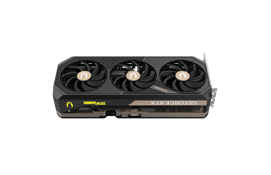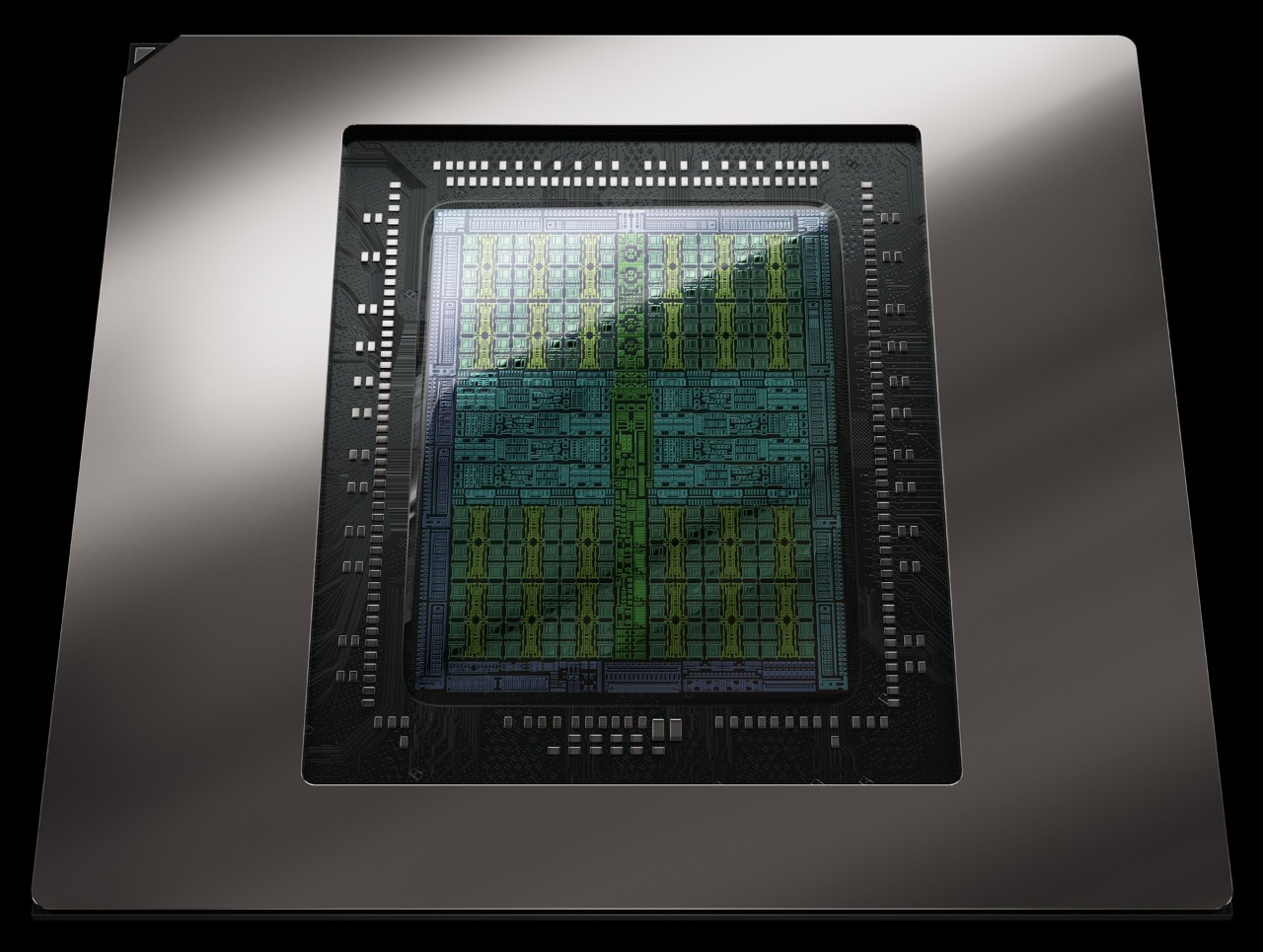
Illustrazione della famiglia.

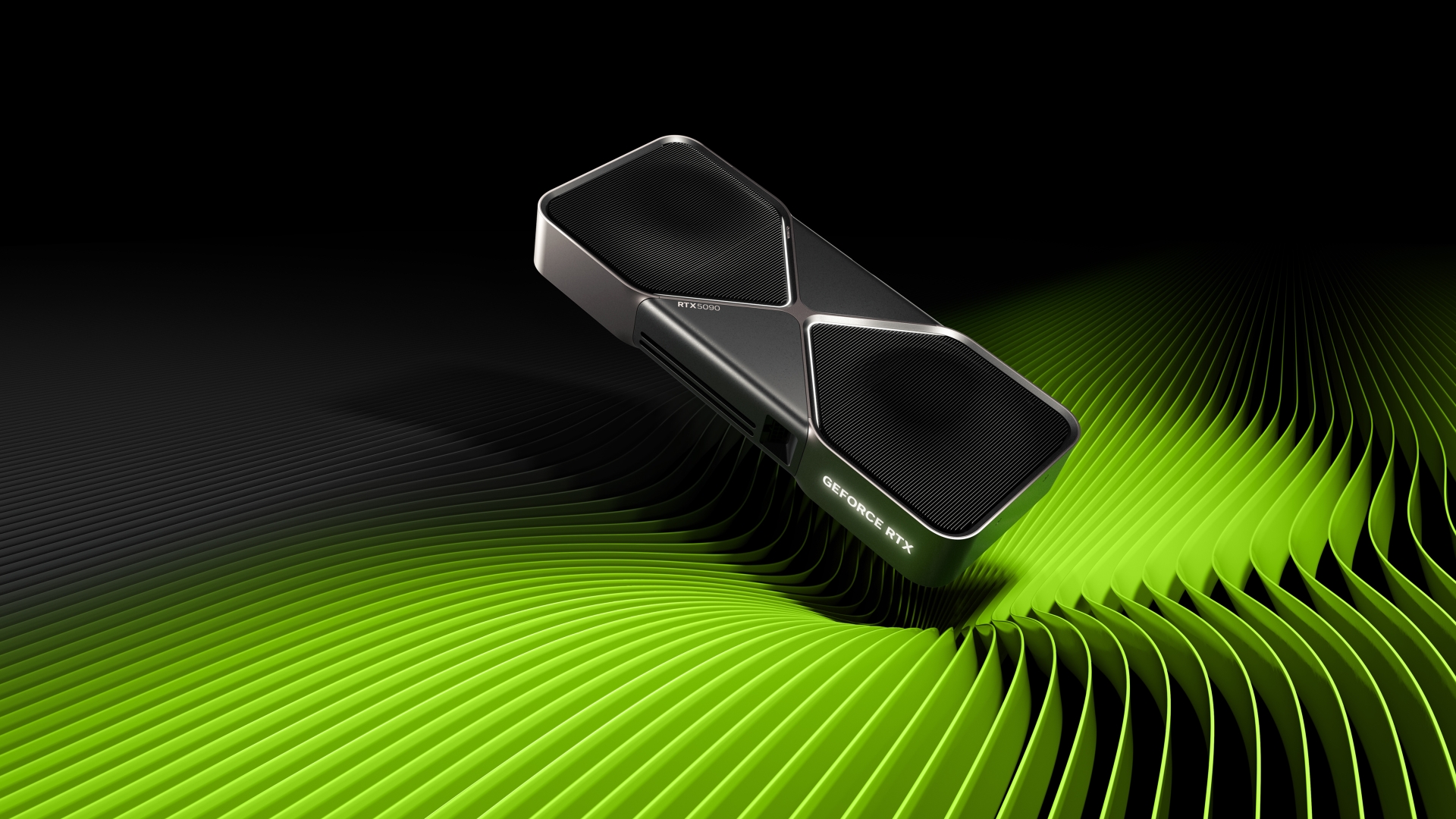
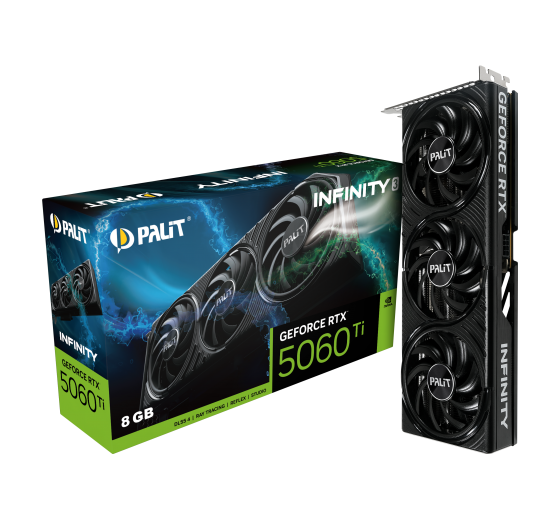
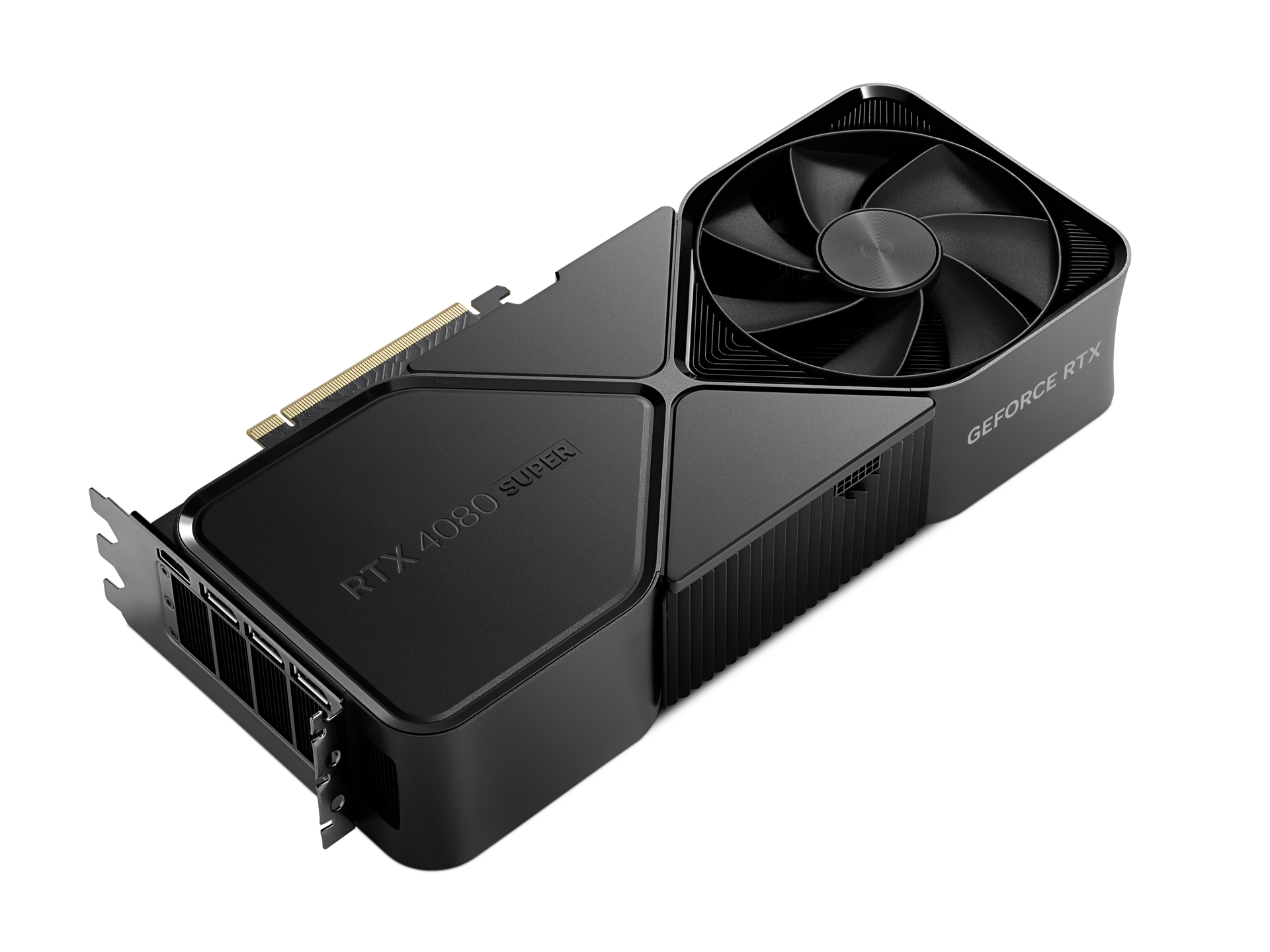
Qual è la scelta migliore NVIDIA GeForce RTX 5060 Ti (8GB) o NVIDIA GeForce RTX 5090? Quale scheda grafica è più veloce?
Compare the available specifications of these models.
NVIDIA GeForce RTX 5060 Ti (8GB) has a base frequency of 2.41 GHz. Dimensione della memoria 8 GB. Tipo di memoria GDDR7. Rilasciato in 2025-04-16.
NVIDIA GeForce RTX 5090 has a base frequency of 2.01 GHz. Dimensione della memoria 32 GB. Tipo di memoria GDDR7. Rilasciato in 2025-01-30.
Motivi da considerare Velocità di clock più alta
Intorno a 20% migliore velocità di clock
 2.01 GHz
Motivi da considerare
Più memoria
300% più memoria
8 GB
NVIDIA GeForce RTX 5060 Ti (8GB)
Confronto dei dati tecnici di base delle schede grafiche NVIDIA GeForce RTX 5060 Ti (8GB) e NVIDIA GeForce RTX 5090, chip, unità di elaborazione delle informazioni.
 Blackwell
NVIDIA GeForce RTX 5090
21760
21760
Video memory capacity, type, bus width and bandwidth describe different properties. These values alone do not determine graphics performance.
1792 GB/s
512 bit
32 GB
GDDR7
Published GPU clock frequencies describe different operating modes. Clock speed alone does not determine graphics performance.
2010 MHz
2410 MHz
Graphics card power limits and recommended system power supply describe different specifications.
90 °C
1000 W (System power requirement)
575 W
Connettività e collegamenti.
5.0
Supporto incorporato per gli standard di compressione video e immagine.
Decode / Encode
Shared tests with results for both models: 2
Each row is a separate graphics subtest. Scores are not game FPS.
| Test and settings | NVIDIA GeForce RTX 5060 Ti (8GB) | NVIDIA GeForce RTX 5090 | Result difference¹ |
|---|---|---|---|
| 3DMark – Steel Nomad — Steel Nomad Score / DirectX 12 | 3522 points Base GPU test: Nvidia GeForce RTX 5060 Ti 8 GB VRAM: 8 GBOS: Windows 11Graphics API: DirectX 12HVCI: enabledApplication version unreported | 14032 points Base GPU test: Nvidia GeForce RTX 5090 VRAM: 32 GBOS: Windows 11Graphics API: DirectX 12HVCI: enabledApplication version unreported | +298.4 % |
| 3DMark – Time Spy — Graphics Score / DirectX 12 | 15643 points Base GPU test: Nvidia GeForce RTX 5060 Ti 8 GB VRAM: 8 GBTest CPU: AMD Ryzen 9 7950X3DOS: Windows 11Graphics API: DirectX 12HVCI: enabledApplication version unreported | 47760 points Base GPU test: Nvidia GeForce RTX 5090 VRAM: 32 GBTest CPU: AMD Ryzen 9 7950X3DOS: Windows 11Graphics API: DirectX 12HVCI: enabledApplication version unreported | +205.3 % |
¹ Difference of the second result relative to the first in that row. No percentage is calculated for different upscaling algorithms. This compares published results, not a universal performance index.
A base GPU test is a reference for cards using that GPU and the same memory capacity. Board overclocking, cooling and power limits can change the result.
These results have no shared test of both models with the same version and settings. They are shown separately without a percentage difference.
Published measurements are separate from the archived index. Incomplete conditions and unknown run counts do not support ranking positions or calculated performance differences.
| Model | Test | Result | Reported conditions |
|---|---|---|---|
| NVIDIA GeForce RTX 5090 | The Witcher 3: Wild Hunt - Remastered / 1440p / Ultra / Native | 173 FPS | Test CPU: AMD Ryzen 7 9800X3D System RAM: 32 GB DDR5-6000 Specific partner board and exact game build unreported. |
| NVIDIA GeForce RTX 5090 | The Witcher 3: Wild Hunt - Remastered / 4K / Ultra / Native | 107 FPS | Test CPU: AMD Ryzen 7 9800X3D System RAM: 32 GB DDR5-6000 Specific partner board and exact game build unreported. |
Results were obtained on the reported systems. Test versions and settings remain separate; incomplete conditions do not support calculated model performance differences.
| Model | Result | Reported conditions |
|---|---|---|
| NVIDIA GeForce RTX 5090 | 162871 points | System: 9800X3D, RTX 5090, 64 GB Graphics: 9800X3D, RTX 5090, 64 GB Source minimum runtime: 0 minutes. Exact test build and complete conditions are unreported; no ranking position. |


 English
 Russian
 German
 Portuguese
 French
 Japan
 Spanish
 Polish
 Chinese
 Korean