
Select processor 1
Select processor 2
Intel Arc A730M
ASRock Radeon RX 5500 XT Challenger D 4G OC

Intel Arc A730M vs ASRock Radeon RX 5500 XT Challenger D 4G OC. Specifications, performance, tests

User rating
star star star star star
Released
Q2/2022
Intel Arc A730M
Intel Arc A730M
Released
Q3/2019
User rating
star star star star star
ASRock Radeon RX 5500 XT Challenger D 4G OC

What's the best choice Intel Arc A730M or ASRock Radeon RX 5500 XT Challenger D 4G OC? Which graphics card is faster?

Compare the available specifications of these models.

Intel Arc A730M has a base frequency of 1.75 GHz. Memory size 12 GB. Memory type GDDR6. Released in Q2/2022.

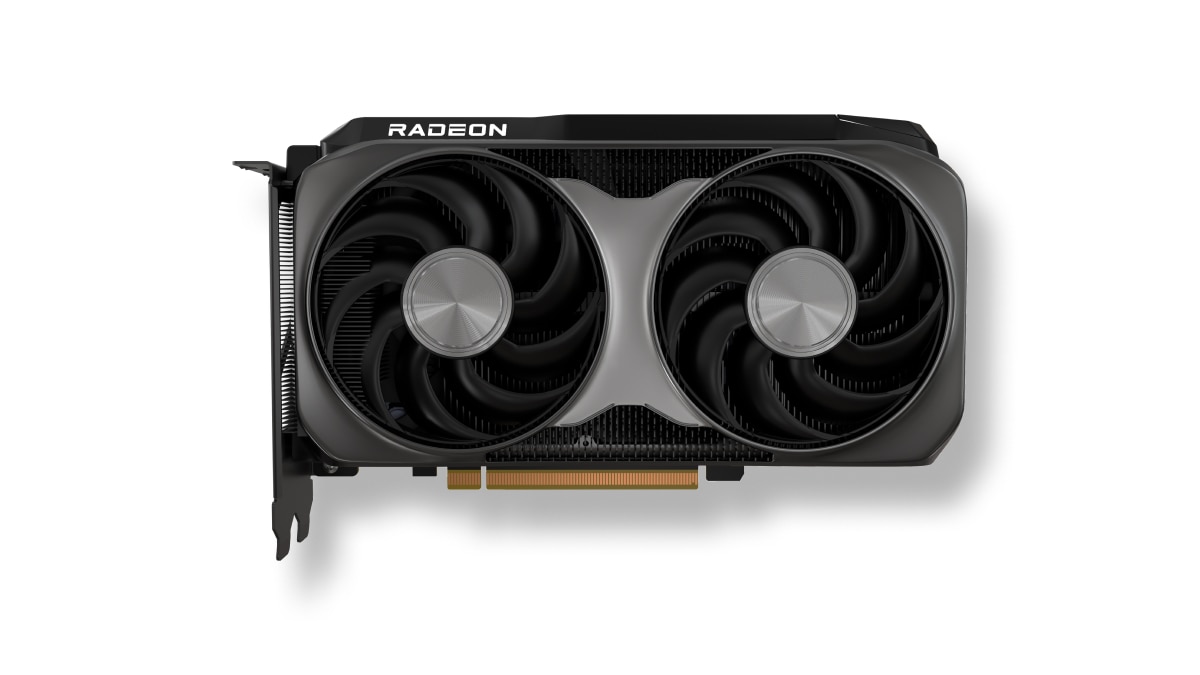
ASRock Radeon RX 5500 XT Challenger D 4G OC has a base frequency of 1.685 GHz+ 5 %. Memory size 4 GB. Memory type GDDR6. Released in Q3/2019.

Differences

Videokards Reasons to consider
Intel Arc A730M
Report a bug
  • More memory

    200% more memory

    12 GB left arrow 4 GB
  • Place in the overall ranking

    (based on several benchmarks)

    2446 left arrow place

Positions in all rankings

Common positions ASRock Radeon RX 5500 XT Challenger D 4G OC GPU in popular benchmarks, for comparison with other models.

  • FP32 Performance (Single-precision TFLOPS)
    2439 place
  • 3DMark Benchmark
    2213 place
  • Battlefield 5
    2457 place
  • Shadow of the Tomb Raider
    2327 place
  • Crypto-Mining Ethereum Hashrate (MH/s)
    2173 place
  • Crypto-Mining Ergo Hashrate (MH/s)
    2580 place
  • Crypto-Mining Ravencoin Hashrate (MH/s)
    2478 place
  • Crypto-Mining Vertcoin Hashrate (MH/s)
    1923 place

Specifications

Technical data
Intel Arc A730M Intel Arc A730M
ASRock Radeon RX 5500 XT Challenger D 4G OC ASRock Radeon RX 5500 XT Challenger D 4G OC
General info

Comparison of basic technical data of graphics cards Intel Arc A730M and ASRock Radeon RX 5500 XT Challenger D 4G OC, chip, information processing units.

  • Architecture
    Xe HPG / Generation 12.7 left arrow -
  • Execution Units
    3072 left arrow 22
  • GPU Chip
    DG2-512 left arrow Navi 14 XTX
  • L1 Cache
    No left arrow -
  • L2 Cache
    12 MB left arrow -
  • Render Output Units
    96 left arrow 32
  • RT Cores
    24 left arrow -
  • Texture Units
    192 left arrow 88
  • Based on
    - left arrow AMD Radeon RX 5500 XT
  • Shader
    - left arrow 1408
Memory settings

Video memory capacity, type, bus width and bandwidth describe different properties. These values alone do not determine graphics performance.

  • Memory Bandwidth
    336 GB/s left arrow 224 GB/s
  • Memory Clock
    1750 MHz left arrow -
  • Memory Data Rate
    14 Gbps left arrow -
  • Memory Size
    12 GB left arrow 4 GB
  • Memory Type
    GDDR6 left arrow GDDR6
  • Memory Bus
    - left arrow 128 bit
  • Memory Speed (legacy frequency label)
    - left arrow 1750 MHz
Clock frequency

Published GPU clock frequencies describe different operating modes. Clock speed alone does not determine graphics performance.

  • Base Clock
    300 MHz left arrow 1685 MHz + 5%
  • Boost Clock
    1100 MHz left arrow 1845 MHz
  • Game Clock
    - left arrow 1737 MHz + 1%
  • Overclocking
    - left arrow Yes
Thermal Management

Graphics card power limits and recommended system power supply describe different specifications.

  • TDP
    80 W left arrow 130 W
  • Maximum Junction Temperature
    - left arrow -
  • TDP (up)
    - left arrow -
Cooler & Fans type

Types and sizes of coolers for graphics card cooling system Intel Arc A730M and ASRock Radeon RX 5500 XT Challenger D 4G OC.

  • Cooler-Type
    - left arrow Air cooling
  • Fan-Type
    - left arrow Axial
  • Fan 1
    - left arrow 2 x 90 mm
  • Fan 2
    - left arrow -
  • Noise (Idle)
    - left arrow 0 dB / Silent
  • Noise (Load)
    - left arrow 40 dB
Interfaces

Connectivity and connections.

  • Max. Displays
    1 left arrow 4
  • PCIe Interface
    PCIe 4.0 x16 left arrow PCIe 4.0 x8
  • Power Connectors
    No left arrow 1 x 8-Pin
  • DisplayPort Ports
    - left arrow 3 × DisplayPort 1.4
  • DVI Ports
    - left arrow -
  • HDCP Version
    - left arrow 2.3
  • HDMI Ports
    - left arrow 1 × HDMI 2.0b
  • USB-C Ports
    - left arrow -
  • VGA Ports
    - left arrow -
Technical data

Technical data that is used to its full potential in computer games.

  • DirectX
    12.2 left arrow 12_1
  • Max. resolution
    3840 × 2160 left arrow 7680 × 4320
  • OpenCL
    3.0 left arrow -
  • OpenGL
    4.6 left arrow -
  • Shader Model
    6.6 left arrow -
  • Vulkan
    1.3 left arrow -
  • DLSS / FSR
    - left arrow No
  • LED
    - left arrow No LED lighting
  • Raytracing
    - left arrow Yes
Supported Video Codecs

Built-in support for video and image compression standards.

  • AV1
    - left arrow No
  • h264
    - left arrow Decode / Encode
  • h265 / HEVC
    - left arrow Decode / Encode
  • VP8
    - left arrow Decode
  • VP9
    - left arrow Decode / Encode
Dimensions

The difference in size, weight and slot of the compared devices

  • Slot Size
    IGP left arrow 2 PCIe-Slots
  • Height
    - left arrow 127 mm
  • Length
    - left arrow 241 mm
  • Weight
    - left arrow -
  • Width
    - left arrow 42 mm
More information

Comparison of interfaces and release dates for GPU ASRock Radeon RX 5500 XT Challenger D 4G OC and Intel Arc A730M.

  • Process Technology
    6 nm left arrow 7 nm
  • Release date
    Q2/2022 left arrow Q3/2019
  • Documents
    - left arrow data sheet
  • Launch Price (historical)
    - left arrow -
  • Part Number
    - left arrow RX5500XT CLD 4GO
Theoretical Performance

  • FP16 (theoretical)
    13.52 TFLOPS left arrow -
  • FP32 (theoretical)
    6.758 TFLOPS left arrow -
  • FP64 (theoretical)
    1.69 TFLOPS left arrow -
  • Pixel Rate
    105.6 GPixel/s left arrow -
  • Texture Rate
    211.2 GTexel/s left arrow -

Benchmarks

Performance tests GPUs
Individual model tests

These results have no shared test of both models with the same version and settings. They are shown separately without a percentage difference.

Intel Arc A730M

ASRock Radeon RX 5500 XT Challenger D 4G OC

Latest comparisons