
What's the best choice Gainward GeForce GTX 1080 Phoenix GS or ASRock Radeon RX 5700 8G? Which graphics card is faster?
We have prepared a comparison to help you choose the best graphics card. Compare their specifications and benchmarks.
Gainward GeForce GTX 1080 Phoenix GS has a base frequency of 1.708 GHz+ 6 %. Memory size 8 GB. Memory type GDDR5X. Released in Q2/2016.
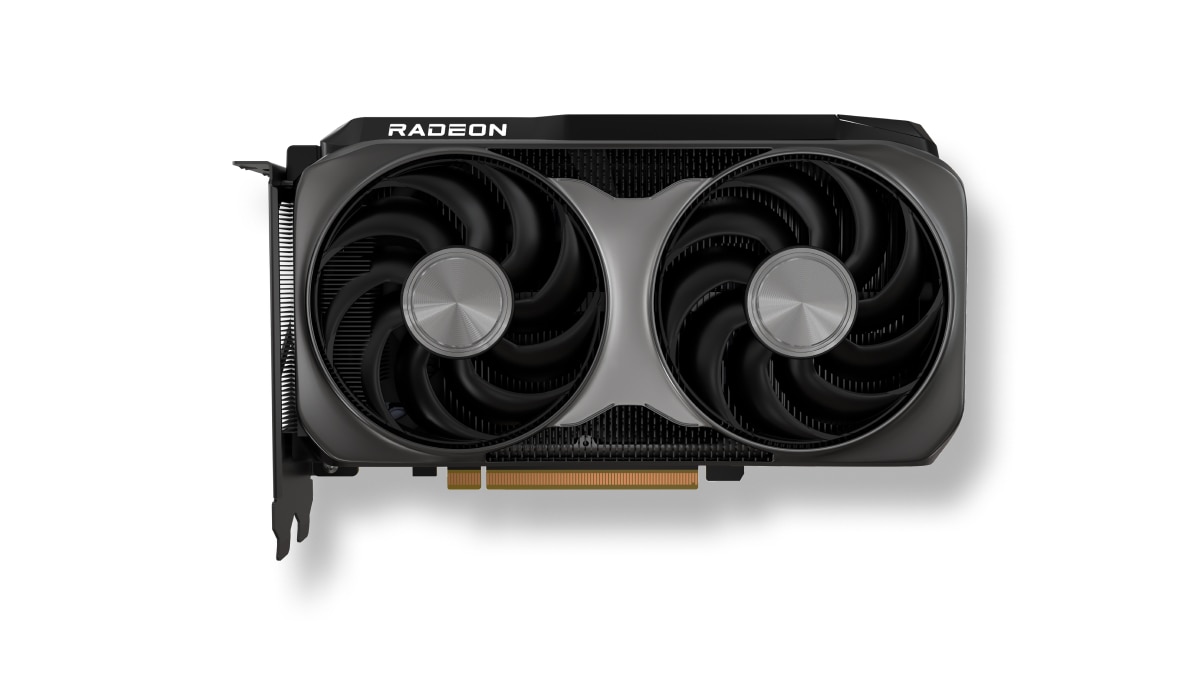
ASRock Radeon RX 5700 8G has a base frequency of 1.465 GHz. Memory size 8 GB. Memory type GDDR6. Released in Q3/2019.
Reasons to consider Place in the overall ranking
(based on several benchmarks)
 place
place
Common positions Gainward GeForce GTX 1080 Phoenix GS GPU in popular benchmarks, for comparison with other models.
Reasons to consider Place in the overall ranking
(based on several benchmarks)
place
Common positions ASRock Radeon RX 5700 8G GPU in popular benchmarks, for comparison with other models.
Gainward GeForce GTX 1080 Phoenix GS
Comparison of basic technical data of graphics cards Gainward GeForce GTX 1080 Phoenix GS and ASRock Radeon RX 5700 8G, chip, information processing units.
 AMD Radeon RX 5700
36
Navi 10
64
2304
144
AMD Radeon RX 5700
36
Navi 10
64
2304
144
Video memory capacity, type, bus width and bandwidth describe different properties. These values alone do not determine graphics performance.
448 GB/s
256 bit
8 GB
1750 MHz
GDDR6
Published GPU clock frequencies describe different operating modes. Clock speed alone does not determine graphics performance.
1465 MHz
1725 MHz
1625 MHz
Yes
Graphics card power limits and recommended system power supply describe different specifications.
-
180 W
220 W
Types and sizes of coolers for graphics card cooling system Gainward GeForce GTX 1080 Phoenix GS and ASRock Radeon RX 5700 8G.
Air cooling
Radial
1 x 80 mm
-
0 dB / Silent
46-47 dB
Connectivity and connections.
3 × DisplayPort 1.4
-
2.3
1 × HDMI 2.0b
4
PCIe 4.0 x16
1 x 6-Pin, 1 x 8-Pin
-
-
Technical data that is used to its full potential in computer games.
12_2
No
No LED lighting
7680 × 4320
Yes
Built-in support for video and image compression standards.
No
Decode / Encode
Decode / Encode
Decode
Decode / Encode
The difference in size, weight and slot of the compared devices
127 mm
281 mm
2 PCIe-Slots
-
42 mm
Comparison of interfaces and release dates for GPU ASRock Radeon RX 5700 8G and Gainward GeForce GTX 1080 Phoenix GS.
data sheet
329 $
90-GA16ZZ-00UANF
7 nm
Q3/2019
Shared tests with results for both models: 34
Each row uses one game, resolution, test suite and graphics mode.
| Test and settings | Gainward GeForce GTX 1080 Phoenix GS | ASRock Radeon RX 5700 8G | Result difference¹ |
|---|---|---|---|
| Gaming suite 2021 / Assassin's Creed Valhalla / 1920x1080 / Extrem-Hoch-Preset / Rendering unreported | 56 FPS Base GPU test: Nvidia GeForce GTX 1080 VRAM: 8 GBTest CPU: AMD Ryzen 9 5950XSystem RAM: 4 × 8 GB G.Skill TridentZ, DDR4-3600 16-16-16-32-1T, optimierte Sekundär-Timings, Single-RankOS: Windows 10 20H2Graphics API: DirectX 12Driver: 461.40Resizable BAR: disabled | 63.9 FPS Base GPU test: AMD Radeon RX 5700 VRAM: 8 GBTest CPU: AMD Ryzen 9 5950XSystem RAM: 4 × 8 GB G.Skill TridentZ, DDR4-3600 16-16-16-32-1T, optimierte Sekundär-Timings, Single-RankOS: Windows 10 20H2Graphics API: DirectX 12Driver: 21.1.1Resizable BAR: disabled | Complete test conditions unreported |
| Gaming suite 2021 / Assassin's Creed Valhalla / 2560x1440 / Extrem-Hoch-Preset / Rendering unreported | 41.3 FPS Base GPU test: Nvidia GeForce GTX 1080 VRAM: 8 GBTest CPU: AMD Ryzen 9 5950XSystem RAM: 4 × 8 GB G.Skill TridentZ, DDR4-3600 16-16-16-32-1T, optimierte Sekundär-Timings, Single-RankOS: Windows 10 20H2Graphics API: DirectX 12Driver: 461.40Resizable BAR: disabled | 49 FPS Base GPU test: AMD Radeon RX 5700 VRAM: 8 GBTest CPU: AMD Ryzen 9 5950XSystem RAM: 4 × 8 GB G.Skill TridentZ, DDR4-3600 16-16-16-32-1T, optimierte Sekundär-Timings, Single-RankOS: Windows 10 20H2Graphics API: DirectX 12Driver: 21.1.1Resizable BAR: disabled | Complete test conditions unreported |
| Gaming suite 2021 / Borderlands 3 / 1920x1080 / Badass-Preset / Rendering unreported | 73.2 FPS Base GPU test: Nvidia GeForce GTX 1080 VRAM: 8 GBTest CPU: AMD Ryzen 9 5950XSystem RAM: 4 × 8 GB G.Skill TridentZ, DDR4-3600 16-16-16-32-1T, optimierte Sekundär-Timings, Single-RankOS: Windows 10 20H2Graphics API: DirectX 11Driver: 461.40Resizable BAR: disabled | 73.8 FPS Base GPU test: AMD Radeon RX 5700 VRAM: 8 GBTest CPU: AMD Ryzen 9 5950XSystem RAM: 4 × 8 GB G.Skill TridentZ, DDR4-3600 16-16-16-32-1T, optimierte Sekundär-Timings, Single-RankOS: Windows 10 20H2Graphics API: DirectX 12Driver: 21.1.1Resizable BAR: disabled | Complete test conditions unreported |
| Gaming suite 2021 / Borderlands 3 / 2560x1440 / Badass-Preset / Rendering unreported | 50.5 FPS Base GPU test: Nvidia GeForce GTX 1080 VRAM: 8 GBTest CPU: AMD Ryzen 9 5950XSystem RAM: 4 × 8 GB G.Skill TridentZ, DDR4-3600 16-16-16-32-1T, optimierte Sekundär-Timings, Single-RankOS: Windows 10 20H2Graphics API: DirectX 11Driver: 461.40Resizable BAR: disabled | 52.1 FPS Base GPU test: AMD Radeon RX 5700 VRAM: 8 GBTest CPU: AMD Ryzen 9 5950XSystem RAM: 4 × 8 GB G.Skill TridentZ, DDR4-3600 16-16-16-32-1T, optimierte Sekundär-Timings, Single-RankOS: Windows 10 20H2Graphics API: DirectX 12Driver: 21.1.1Resizable BAR: disabled | Complete test conditions unreported |
| Gaming suite 2021 / Call of Duty Black Ops Cold War / 1920x1080 / Maximale Grafikdetails, SSR Niedrig / Rendering unreported | 70.5 FPS Base GPU test: Nvidia GeForce GTX 1080 VRAM: 8 GBTest CPU: AMD Ryzen 9 5950XSystem RAM: 4 × 8 GB G.Skill TridentZ, DDR4-3600 16-16-16-32-1T, optimierte Sekundär-Timings, Single-RankOS: Windows 10 20H2Graphics API: DirectX 12Driver: 461.40Resizable BAR: disabled | 77.4 FPS Base GPU test: AMD Radeon RX 5700 VRAM: 8 GBTest CPU: AMD Ryzen 9 5950XSystem RAM: 4 × 8 GB G.Skill TridentZ, DDR4-3600 16-16-16-32-1T, optimierte Sekundär-Timings, Single-RankOS: Windows 10 20H2Graphics API: DirectX 12Driver: 21.1.1Resizable BAR: disabled | Complete test conditions unreported |
| Gaming suite 2021 / Call of Duty Black Ops Cold War / 2560x1440 / Maximale Grafikdetails, SSR Niedrig / Rendering unreported | 50.4 FPS Base GPU test: Nvidia GeForce GTX 1080 VRAM: 8 GBTest CPU: AMD Ryzen 9 5950XSystem RAM: 4 × 8 GB G.Skill TridentZ, DDR4-3600 16-16-16-32-1T, optimierte Sekundär-Timings, Single-RankOS: Windows 10 20H2Graphics API: DirectX 12Driver: 461.40Resizable BAR: disabled | 57.4 FPS Base GPU test: AMD Radeon RX 5700 VRAM: 8 GBTest CPU: AMD Ryzen 9 5950XSystem RAM: 4 × 8 GB G.Skill TridentZ, DDR4-3600 16-16-16-32-1T, optimierte Sekundär-Timings, Single-RankOS: Windows 10 20H2Graphics API: DirectX 12Driver: 21.1.1Resizable BAR: disabled | Complete test conditions unreported |
| Gaming suite 2021 / Control / 1920x1080 / Hoch-Preset / Rendering unreported | 53.9 FPS Base GPU test: Nvidia GeForce GTX 1080 VRAM: 8 GBTest CPU: AMD Ryzen 9 5950XSystem RAM: 4 × 8 GB G.Skill TridentZ, DDR4-3600 16-16-16-32-1T, optimierte Sekundär-Timings, Single-RankOS: Windows 10 20H2Graphics API: DirectX 11Driver: 461.40Resizable BAR: disabled | 63.8 FPS Base GPU test: AMD Radeon RX 5700 VRAM: 8 GBTest CPU: AMD Ryzen 9 5950XSystem RAM: 4 × 8 GB G.Skill TridentZ, DDR4-3600 16-16-16-32-1T, optimierte Sekundär-Timings, Single-RankOS: Windows 10 20H2Graphics API: DirectX 11Driver: 21.1.1Resizable BAR: disabled | Complete test conditions unreported |
| Gaming suite 2021 / Control / 2560x1440 / Hoch-Preset / Rendering unreported | 33.5 FPS Base GPU test: Nvidia GeForce GTX 1080 VRAM: 8 GBTest CPU: AMD Ryzen 9 5950XSystem RAM: 4 × 8 GB G.Skill TridentZ, DDR4-3600 16-16-16-32-1T, optimierte Sekundär-Timings, Single-RankOS: Windows 10 20H2Graphics API: DirectX 11Driver: 461.40Resizable BAR: disabled | 40.5 FPS Base GPU test: AMD Radeon RX 5700 VRAM: 8 GBTest CPU: AMD Ryzen 9 5950XSystem RAM: 4 × 8 GB G.Skill TridentZ, DDR4-3600 16-16-16-32-1T, optimierte Sekundär-Timings, Single-RankOS: Windows 10 20H2Graphics API: DirectX 11Driver: 21.1.1Resizable BAR: disabled | Complete test conditions unreported |
| Gaming suite 2021 / Cyberpunk 2077 / 1920x1080 / Ultra-Preset / Rendering unreported | 36.3 FPS Base GPU test: Nvidia GeForce GTX 1080 VRAM: 8 GBTest CPU: AMD Ryzen 9 5950XSystem RAM: 4 × 8 GB G.Skill TridentZ, DDR4-3600 16-16-16-32-1T, optimierte Sekundär-Timings, Single-RankOS: Windows 10 20H2Graphics API: DirectX 12Driver: 461.40Resizable BAR: disabled | 43.6 FPS Base GPU test: AMD Radeon RX 5700 VRAM: 8 GBTest CPU: AMD Ryzen 9 5950XSystem RAM: 4 × 8 GB G.Skill TridentZ, DDR4-3600 16-16-16-32-1T, optimierte Sekundär-Timings, Single-RankOS: Windows 10 20H2Graphics API: DirectX 12Driver: 21.1.1Resizable BAR: disabled | Complete test conditions unreported |
| Gaming suite 2021 / Cyberpunk 2077 / 2560x1440 / Ultra-Preset / Rendering unreported | 24.4 FPS Base GPU test: Nvidia GeForce GTX 1080 VRAM: 8 GBTest CPU: AMD Ryzen 9 5950XSystem RAM: 4 × 8 GB G.Skill TridentZ, DDR4-3600 16-16-16-32-1T, optimierte Sekundär-Timings, Single-RankOS: Windows 10 20H2Graphics API: DirectX 12Driver: 461.40Resizable BAR: disabled | 29 FPS Base GPU test: AMD Radeon RX 5700 VRAM: 8 GBTest CPU: AMD Ryzen 9 5950XSystem RAM: 4 × 8 GB G.Skill TridentZ, DDR4-3600 16-16-16-32-1T, optimierte Sekundär-Timings, Single-RankOS: Windows 10 20H2Graphics API: DirectX 12Driver: 21.1.1Resizable BAR: disabled | Complete test conditions unreported |
| Gaming suite 2021 / Death Stranding / 1920x1080 / Sehr-Hoch-Preset / Rendering unreported | 114.4 FPS Base GPU test: Nvidia GeForce GTX 1080 VRAM: 8 GBTest CPU: AMD Ryzen 9 5950XSystem RAM: 4 × 8 GB G.Skill TridentZ, DDR4-3600 16-16-16-32-1T, optimierte Sekundär-Timings, Single-RankOS: Windows 10 20H2Graphics API: DirectX 12Driver: 461.40Resizable BAR: disabled | 125.1 FPS Base GPU test: AMD Radeon RX 5700 VRAM: 8 GBTest CPU: AMD Ryzen 9 5950XSystem RAM: 4 × 8 GB G.Skill TridentZ, DDR4-3600 16-16-16-32-1T, optimierte Sekundär-Timings, Single-RankOS: Windows 10 20H2Graphics API: DirectX 12Driver: 21.1.1Resizable BAR: disabled | Complete test conditions unreported |
| Gaming suite 2021 / Death Stranding / 2560x1440 / Sehr-Hoch-Preset / Rendering unreported | 83 FPS Base GPU test: Nvidia GeForce GTX 1080 VRAM: 8 GBTest CPU: AMD Ryzen 9 5950XSystem RAM: 4 × 8 GB G.Skill TridentZ, DDR4-3600 16-16-16-32-1T, optimierte Sekundär-Timings, Single-RankOS: Windows 10 20H2Graphics API: DirectX 12Driver: 461.40Resizable BAR: disabled | 92.6 FPS Base GPU test: AMD Radeon RX 5700 VRAM: 8 GBTest CPU: AMD Ryzen 9 5950XSystem RAM: 4 × 8 GB G.Skill TridentZ, DDR4-3600 16-16-16-32-1T, optimierte Sekundär-Timings, Single-RankOS: Windows 10 20H2Graphics API: DirectX 12Driver: 21.1.1Resizable BAR: disabled | Complete test conditions unreported |
| Test and settings | Gainward GeForce GTX 1080 Phoenix GS | ASRock Radeon RX 5700 8G | Result difference¹ |
|---|---|---|---|
| Gaming suite 2021 / Dirt 5 / 1920x1080 / Ultrahoch-Preset / Rendering unreported | 63.3 FPS Base GPU test: Nvidia GeForce GTX 1080 VRAM: 8 GBTest CPU: AMD Ryzen 9 5950XSystem RAM: 4 × 8 GB G.Skill TridentZ, DDR4-3600 16-16-16-32-1T, optimierte Sekundär-Timings, Single-RankOS: Windows 10 20H2Graphics API: DirectX 12Driver: 461.40Resizable BAR: disabled | 75.1 FPS Base GPU test: AMD Radeon RX 5700 VRAM: 8 GBTest CPU: AMD Ryzen 9 5950XSystem RAM: 4 × 8 GB G.Skill TridentZ, DDR4-3600 16-16-16-32-1T, optimierte Sekundär-Timings, Single-RankOS: Windows 10 20H2Graphics API: DirectX 12Driver: 21.1.1Resizable BAR: disabled | Complete test conditions unreported |
| Gaming suite 2021 / Dirt 5 / 2560x1440 / Ultrahoch-Preset / Rendering unreported | 48.6 FPS Base GPU test: Nvidia GeForce GTX 1080 VRAM: 8 GBTest CPU: AMD Ryzen 9 5950XSystem RAM: 4 × 8 GB G.Skill TridentZ, DDR4-3600 16-16-16-32-1T, optimierte Sekundär-Timings, Single-RankOS: Windows 10 20H2Graphics API: DirectX 12Driver: 461.40Resizable BAR: disabled | 57.8 FPS Base GPU test: AMD Radeon RX 5700 VRAM: 8 GBTest CPU: AMD Ryzen 9 5950XSystem RAM: 4 × 8 GB G.Skill TridentZ, DDR4-3600 16-16-16-32-1T, optimierte Sekundär-Timings, Single-RankOS: Windows 10 20H2Graphics API: DirectX 12Driver: 21.1.1Resizable BAR: disabled | Complete test conditions unreported |
| Gaming suite 2021 / Doom Eternal / 1920x1080 / Ultra-Albtraum-Preset / Rendering unreported | 125.5 FPS Base GPU test: Nvidia GeForce GTX 1080 VRAM: 8 GBTest CPU: AMD Ryzen 9 5950XSystem RAM: 4 × 8 GB G.Skill TridentZ, DDR4-3600 16-16-16-32-1T, optimierte Sekundär-Timings, Single-RankOS: Windows 10 20H2Graphics API: VulkanDriver: 461.40Resizable BAR: disabled | 165.3 FPS Base GPU test: AMD Radeon RX 5700 VRAM: 8 GBTest CPU: AMD Ryzen 9 5950XSystem RAM: 4 × 8 GB G.Skill TridentZ, DDR4-3600 16-16-16-32-1T, optimierte Sekundär-Timings, Single-RankOS: Windows 10 20H2Graphics API: VulkanDriver: 21.1.1Resizable BAR: disabled | Complete test conditions unreported |
| Gaming suite 2021 / Doom Eternal / 2560x1440 / Ultra-Albtraum-Preset / Rendering unreported | 95.2 FPS Base GPU test: Nvidia GeForce GTX 1080 VRAM: 8 GBTest CPU: AMD Ryzen 9 5950XSystem RAM: 4 × 8 GB G.Skill TridentZ, DDR4-3600 16-16-16-32-1T, optimierte Sekundär-Timings, Single-RankOS: Windows 10 20H2Graphics API: VulkanDriver: 461.40Resizable BAR: disabled | 129.5 FPS Base GPU test: AMD Radeon RX 5700 VRAM: 8 GBTest CPU: AMD Ryzen 9 5950XSystem RAM: 4 × 8 GB G.Skill TridentZ, DDR4-3600 16-16-16-32-1T, optimierte Sekundär-Timings, Single-RankOS: Windows 10 20H2Graphics API: VulkanDriver: 21.1.1Resizable BAR: disabled | Complete test conditions unreported |
| Gaming suite 2021 / F1 2020 / 1920x1080 / Ultrahoch-Preset, ASSAO, SRT Schatten Ein / Rendering unreported | 95.9 FPS Base GPU test: Nvidia GeForce GTX 1080 VRAM: 8 GBTest CPU: AMD Ryzen 9 5950XSystem RAM: 4 × 8 GB G.Skill TridentZ, DDR4-3600 16-16-16-32-1T, optimierte Sekundär-Timings, Single-RankOS: Windows 10 20H2Graphics API: DirectX 12Driver: 461.40Resizable BAR: disabled | 105.3 FPS Base GPU test: AMD Radeon RX 5700 VRAM: 8 GBTest CPU: AMD Ryzen 9 5950XSystem RAM: 4 × 8 GB G.Skill TridentZ, DDR4-3600 16-16-16-32-1T, optimierte Sekundär-Timings, Single-RankOS: Windows 10 20H2Graphics API: DirectX 12Driver: 21.1.1Resizable BAR: disabled | Complete test conditions unreported |
| Gaming suite 2021 / F1 2020 / 2560x1440 / Ultrahoch-Preset, ASSAO, SRT Schatten Ein / Rendering unreported | 69.6 FPS Base GPU test: Nvidia GeForce GTX 1080 VRAM: 8 GBTest CPU: AMD Ryzen 9 5950XSystem RAM: 4 × 8 GB G.Skill TridentZ, DDR4-3600 16-16-16-32-1T, optimierte Sekundär-Timings, Single-RankOS: Windows 10 20H2Graphics API: DirectX 12Driver: 461.40Resizable BAR: disabled | 75.8 FPS Base GPU test: AMD Radeon RX 5700 VRAM: 8 GBTest CPU: AMD Ryzen 9 5950XSystem RAM: 4 × 8 GB G.Skill TridentZ, DDR4-3600 16-16-16-32-1T, optimierte Sekundär-Timings, Single-RankOS: Windows 10 20H2Graphics API: DirectX 12Driver: 21.1.1Resizable BAR: disabled | Complete test conditions unreported |
| Gaming suite 2021 / Gears 5 / 1920x1080 / Ultra-Preset, Animation Beste, Dynamische Schatten, Volumetrischer Nebel, Oberflächenreflexionen und Umgebungsverdeckung Wahnsinnig, SSGI Strahlen 32, kein VRS / Rendering unreported | 56.3 FPS Base GPU test: Nvidia GeForce GTX 1080 VRAM: 8 GBTest CPU: AMD Ryzen 9 5950XSystem RAM: 4 × 8 GB G.Skill TridentZ, DDR4-3600 16-16-16-32-1T, optimierte Sekundär-Timings, Single-RankOS: Windows 10 20H2Graphics API: DirectX 12Driver: 461.40Resizable BAR: disabled | 54.8 FPS Base GPU test: AMD Radeon RX 5700 VRAM: 8 GBTest CPU: AMD Ryzen 9 5950XSystem RAM: 4 × 8 GB G.Skill TridentZ, DDR4-3600 16-16-16-32-1T, optimierte Sekundär-Timings, Single-RankOS: Windows 10 20H2Graphics API: DirectX 12Driver: 21.1.1Resizable BAR: disabled | Complete test conditions unreported |
| Gaming suite 2021 / Gears 5 / 2560x1440 / Ultra-Preset, Animation Beste, Dynamische Schatten, Volumetrischer Nebel, Oberflächenreflexionen und Umgebungsverdeckung Wahnsinnig, SSGI Strahlen 32, kein VRS / Rendering unreported | 39 FPS Base GPU test: Nvidia GeForce GTX 1080 VRAM: 8 GBTest CPU: AMD Ryzen 9 5950XSystem RAM: 4 × 8 GB G.Skill TridentZ, DDR4-3600 16-16-16-32-1T, optimierte Sekundär-Timings, Single-RankOS: Windows 10 20H2Graphics API: DirectX 12Driver: 461.40Resizable BAR: disabled | 37.3 FPS Base GPU test: AMD Radeon RX 5700 VRAM: 8 GBTest CPU: AMD Ryzen 9 5950XSystem RAM: 4 × 8 GB G.Skill TridentZ, DDR4-3600 16-16-16-32-1T, optimierte Sekundär-Timings, Single-RankOS: Windows 10 20H2Graphics API: DirectX 12Driver: 21.1.1Resizable BAR: disabled | Complete test conditions unreported |
| Gaming suite 2021 / Hitman 3 / 1920x1080 / Maximale Grafikdetails, kein VRS / Rendering unreported | 95.1 FPS Base GPU test: Nvidia GeForce GTX 1080 VRAM: 8 GBTest CPU: AMD Ryzen 9 5950XSystem RAM: 4 × 8 GB G.Skill TridentZ, DDR4-3600 16-16-16-32-1T, optimierte Sekundär-Timings, Single-RankOS: Windows 10 20H2Graphics API: DirectX 12Driver: 461.40Resizable BAR: disabled | 107.9 FPS Base GPU test: AMD Radeon RX 5700 VRAM: 8 GBTest CPU: AMD Ryzen 9 5950XSystem RAM: 4 × 8 GB G.Skill TridentZ, DDR4-3600 16-16-16-32-1T, optimierte Sekundär-Timings, Single-RankOS: Windows 10 20H2Graphics API: DirectX 12Driver: 21.1.1Resizable BAR: disabled | Complete test conditions unreported |
| Gaming suite 2021 / Hitman 3 / 2560x1440 / Maximale Grafikdetails, kein VRS / Rendering unreported | 60.8 FPS Base GPU test: Nvidia GeForce GTX 1080 VRAM: 8 GBTest CPU: AMD Ryzen 9 5950XSystem RAM: 4 × 8 GB G.Skill TridentZ, DDR4-3600 16-16-16-32-1T, optimierte Sekundär-Timings, Single-RankOS: Windows 10 20H2Graphics API: DirectX 12Driver: 461.40Resizable BAR: disabled | 74.8 FPS Base GPU test: AMD Radeon RX 5700 VRAM: 8 GBTest CPU: AMD Ryzen 9 5950XSystem RAM: 4 × 8 GB G.Skill TridentZ, DDR4-3600 16-16-16-32-1T, optimierte Sekundär-Timings, Single-RankOS: Windows 10 20H2Graphics API: DirectX 12Driver: 21.1.1Resizable BAR: disabled | Complete test conditions unreported |
| Gaming suite 2021 / Horizon Zero Dawn / 1920x1080 / Ultimative-Qualität-Preset / Rendering unreported | 52.6 FPS Base GPU test: Nvidia GeForce GTX 1080 VRAM: 8 GBTest CPU: AMD Ryzen 9 5950XSystem RAM: 4 × 8 GB G.Skill TridentZ, DDR4-3600 16-16-16-32-1T, optimierte Sekundär-Timings, Single-RankOS: Windows 10 20H2Graphics API: DirectX 12Driver: 461.40Resizable BAR: disabled | 60.2 FPS Base GPU test: AMD Radeon RX 5700 VRAM: 8 GBTest CPU: AMD Ryzen 9 5950XSystem RAM: 4 × 8 GB G.Skill TridentZ, DDR4-3600 16-16-16-32-1T, optimierte Sekundär-Timings, Single-RankOS: Windows 10 20H2Graphics API: DirectX 12Driver: 21.1.1Resizable BAR: disabled | Complete test conditions unreported |
| Gaming suite 2021 / Horizon Zero Dawn / 2560x1440 / Ultimative-Qualität-Preset / Rendering unreported | 43.2 FPS Base GPU test: Nvidia GeForce GTX 1080 VRAM: 8 GBTest CPU: AMD Ryzen 9 5950XSystem RAM: 4 × 8 GB G.Skill TridentZ, DDR4-3600 16-16-16-32-1T, optimierte Sekundär-Timings, Single-RankOS: Windows 10 20H2Graphics API: DirectX 12Driver: 461.40Resizable BAR: disabled | 48.7 FPS Base GPU test: AMD Radeon RX 5700 VRAM: 8 GBTest CPU: AMD Ryzen 9 5950XSystem RAM: 4 × 8 GB G.Skill TridentZ, DDR4-3600 16-16-16-32-1T, optimierte Sekundär-Timings, Single-RankOS: Windows 10 20H2Graphics API: DirectX 12Driver: 21.1.1Resizable BAR: disabled | Complete test conditions unreported |
| Gaming suite 2021 / Mafia: Definitive Edition / 1920x1080 / Hoch-Preset / Rendering unreported | 77.3 FPS Base GPU test: Nvidia GeForce GTX 1080 VRAM: 8 GBTest CPU: AMD Ryzen 9 5950XSystem RAM: 4 × 8 GB G.Skill TridentZ, DDR4-3600 16-16-16-32-1T, optimierte Sekundär-Timings, Single-RankOS: Windows 10 20H2Graphics API: DirectX 12Driver: 461.40Resizable BAR: disabled | 76.8 FPS Base GPU test: AMD Radeon RX 5700 VRAM: 8 GBTest CPU: AMD Ryzen 9 5950XSystem RAM: 4 × 8 GB G.Skill TridentZ, DDR4-3600 16-16-16-32-1T, optimierte Sekundär-Timings, Single-RankOS: Windows 10 20H2Graphics API: DirectX 12Driver: 21.1.1Resizable BAR: disabled | Complete test conditions unreported |
| Gaming suite 2021 / Mafia: Definitive Edition / 2560x1440 / Hoch-Preset / Rendering unreported | 53.9 FPS Base GPU test: Nvidia GeForce GTX 1080 VRAM: 8 GBTest CPU: AMD Ryzen 9 5950XSystem RAM: 4 × 8 GB G.Skill TridentZ, DDR4-3600 16-16-16-32-1T, optimierte Sekundär-Timings, Single-RankOS: Windows 10 20H2Graphics API: DirectX 12Driver: 461.40Resizable BAR: disabled | 54.1 FPS Base GPU test: AMD Radeon RX 5700 VRAM: 8 GBTest CPU: AMD Ryzen 9 5950XSystem RAM: 4 × 8 GB G.Skill TridentZ, DDR4-3600 16-16-16-32-1T, optimierte Sekundär-Timings, Single-RankOS: Windows 10 20H2Graphics API: DirectX 12Driver: 21.1.1Resizable BAR: disabled | Complete test conditions unreported |
| Gaming suite 2021 / Red Dead Redemption 2 / 1920x1080 / Höchstes Grafik-Preset / Rendering unreported | 41.4 FPS Base GPU test: Nvidia GeForce GTX 1080 VRAM: 8 GBTest CPU: AMD Ryzen 9 5950XSystem RAM: 4 × 8 GB G.Skill TridentZ, DDR4-3600 16-16-16-32-1T, optimierte Sekundär-Timings, Single-RankOS: Windows 10 20H2Graphics API: VulkanDriver: 461.40Resizable BAR: disabled | 53.2 FPS Base GPU test: AMD Radeon RX 5700 VRAM: 8 GBTest CPU: AMD Ryzen 9 5950XSystem RAM: 4 × 8 GB G.Skill TridentZ, DDR4-3600 16-16-16-32-1T, optimierte Sekundär-Timings, Single-RankOS: Windows 10 20H2Graphics API: DirectX 12Driver: 21.1.1Resizable BAR: disabled | Complete test conditions unreported |
| Gaming suite 2021 / Red Dead Redemption 2 / 2560x1440 / Höchstes Grafik-Preset / Rendering unreported | 33.5 FPS Base GPU test: Nvidia GeForce GTX 1080 VRAM: 8 GBTest CPU: AMD Ryzen 9 5950XSystem RAM: 4 × 8 GB G.Skill TridentZ, DDR4-3600 16-16-16-32-1T, optimierte Sekundär-Timings, Single-RankOS: Windows 10 20H2Graphics API: VulkanDriver: 461.40Resizable BAR: disabled | 41.1 FPS Base GPU test: AMD Radeon RX 5700 VRAM: 8 GBTest CPU: AMD Ryzen 9 5950XSystem RAM: 4 × 8 GB G.Skill TridentZ, DDR4-3600 16-16-16-32-1T, optimierte Sekundär-Timings, Single-RankOS: Windows 10 20H2Graphics API: DirectX 12Driver: 21.1.1Resizable BAR: disabled | Complete test conditions unreported |
| Gaming suite 2021 / Serious Sam 4 / 1920x1080 / Ultra-Preset, maximierte GPU-Speed-Einstellungen / Rendering unreported | 25.4 FPS Base GPU test: Nvidia GeForce GTX 1080 VRAM: 8 GBTest CPU: AMD Ryzen 9 5950XSystem RAM: 4 × 8 GB G.Skill TridentZ, DDR4-3600 16-16-16-32-1T, optimierte Sekundär-Timings, Single-RankOS: Windows 10 20H2Graphics API: VulkanDriver: 461.40Resizable BAR: disabled | 48.7 FPS Base GPU test: AMD Radeon RX 5700 VRAM: 8 GBTest CPU: AMD Ryzen 9 5950XSystem RAM: 4 × 8 GB G.Skill TridentZ, DDR4-3600 16-16-16-32-1T, optimierte Sekundär-Timings, Single-RankOS: Windows 10 20H2Graphics API: VulkanDriver: 21.1.1Resizable BAR: disabled | Complete test conditions unreported |
| Gaming suite 2021 / Serious Sam 4 / 2560x1440 / Ultra-Preset, maximierte GPU-Speed-Einstellungen / Rendering unreported | 22.7 FPS Base GPU test: Nvidia GeForce GTX 1080 VRAM: 8 GBTest CPU: AMD Ryzen 9 5950XSystem RAM: 4 × 8 GB G.Skill TridentZ, DDR4-3600 16-16-16-32-1T, optimierte Sekundär-Timings, Single-RankOS: Windows 10 20H2Graphics API: VulkanDriver: 461.40Resizable BAR: disabled | 42.8 FPS Base GPU test: AMD Radeon RX 5700 VRAM: 8 GBTest CPU: AMD Ryzen 9 5950XSystem RAM: 4 × 8 GB G.Skill TridentZ, DDR4-3600 16-16-16-32-1T, optimierte Sekundär-Timings, Single-RankOS: Windows 10 20H2Graphics API: VulkanDriver: 21.1.1Resizable BAR: disabled | Complete test conditions unreported |
| Gaming suite 2021 / Star Wars: Squadrons / 1920x1080 / 125 % Auflösung, Ultra-Preset, Umgebungsverdeckung Ultra / 125% / RT off | 115.4 FPS Base GPU test: Nvidia GeForce GTX 1080 VRAM: 8 GBTest CPU: AMD Ryzen 9 5950XSystem RAM: 4 × 8 GB G.Skill TridentZ, DDR4-3600 16-16-16-32-1T, optimierte Sekundär-Timings, Single-RankOS: Windows 10 20H2Graphics API: DirectX 12Driver: 461.40Resizable BAR: disabled | 137.9 FPS Base GPU test: AMD Radeon RX 5700 VRAM: 8 GBTest CPU: AMD Ryzen 9 5950XSystem RAM: 4 × 8 GB G.Skill TridentZ, DDR4-3600 16-16-16-32-1T, optimierte Sekundär-Timings, Single-RankOS: Windows 10 20H2Graphics API: DirectX 12Driver: 21.1.1Resizable BAR: disabled | Complete test conditions unreported |
| Gaming suite 2021 / Star Wars: Squadrons / 2560x1440 / 125 % Auflösung, Ultra-Preset, Umgebungsverdeckung Ultra / 125% / RT off | 75.5 FPS Base GPU test: Nvidia GeForce GTX 1080 VRAM: 8 GBTest CPU: AMD Ryzen 9 5950XSystem RAM: 4 × 8 GB G.Skill TridentZ, DDR4-3600 16-16-16-32-1T, optimierte Sekundär-Timings, Single-RankOS: Windows 10 20H2Graphics API: DirectX 12Driver: 461.40Resizable BAR: disabled | 89.2 FPS Base GPU test: AMD Radeon RX 5700 VRAM: 8 GBTest CPU: AMD Ryzen 9 5950XSystem RAM: 4 × 8 GB G.Skill TridentZ, DDR4-3600 16-16-16-32-1T, optimierte Sekundär-Timings, Single-RankOS: Windows 10 20H2Graphics API: DirectX 12Driver: 21.1.1Resizable BAR: disabled | Complete test conditions unreported |
| Gaming suite 2021 / Watch Dogs: Legion / 1920x1080 / Ultra-Preset / Rendering unreported | 46.5 FPS Base GPU test: Nvidia GeForce GTX 1080 VRAM: 8 GBTest CPU: AMD Ryzen 9 5950XSystem RAM: 4 × 8 GB G.Skill TridentZ, DDR4-3600 16-16-16-32-1T, optimierte Sekundär-Timings, Single-RankOS: Windows 10 20H2Graphics API: DirectX 12Driver: 461.40Resizable BAR: disabled | 58.1 FPS Base GPU test: AMD Radeon RX 5700 VRAM: 8 GBTest CPU: AMD Ryzen 9 5950XSystem RAM: 4 × 8 GB G.Skill TridentZ, DDR4-3600 16-16-16-32-1T, optimierte Sekundär-Timings, Single-RankOS: Windows 10 20H2Graphics API: DirectX 12Driver: 21.1.1Resizable BAR: disabled | Complete test conditions unreported |
| Gaming suite 2021 / Watch Dogs: Legion / 2560x1440 / Ultra-Preset / Rendering unreported | 35.9 FPS Base GPU test: Nvidia GeForce GTX 1080 VRAM: 8 GBTest CPU: AMD Ryzen 9 5950XSystem RAM: 4 × 8 GB G.Skill TridentZ, DDR4-3600 16-16-16-32-1T, optimierte Sekundär-Timings, Single-RankOS: Windows 10 20H2Graphics API: DirectX 12Driver: 461.40Resizable BAR: disabled | 43.4 FPS Base GPU test: AMD Radeon RX 5700 VRAM: 8 GBTest CPU: AMD Ryzen 9 5950XSystem RAM: 4 × 8 GB G.Skill TridentZ, DDR4-3600 16-16-16-32-1T, optimierte Sekundär-Timings, Single-RankOS: Windows 10 20H2Graphics API: DirectX 12Driver: 21.1.1Resizable BAR: disabled | Complete test conditions unreported |
¹ Difference of the second result relative to the first in that row. No percentage is calculated for different upscaling algorithms. This compares published results, not a universal performance index.
A base GPU test is a reference for cards using that GPU and the same memory capacity. Board overclocking, cooling and power limits can change the result.
These results have no shared test of both models with the same version and settings. They are shown separately without a percentage difference.
Based on the results of several popular benchmarks, you can more accurately estimate the performance difference between Gainward GeForce GTX 1080 Phoenix GS and ASRock Radeon RX 5700 8G.
Compare synthetic benchmarks and choose the best graphics card for you!
These are saved results from the earlier catalog. Measurement dates and test configurations were not recorded. Models with no comparable results are omitted.
Recent models: test results with identified primary sources — Game frame rates
Archived results. The original measurement method and test conditions have not been verified.
Higher values are better in this metric.
Higher values are better in this metric.
Higher values are better in this metric.
Higher values are better in this metric.
Higher values are better in this metric.
Higher values are better in this metric.
Higher values are better in this metric.
Higher values are better in this metric.


 Russian
 German
 Portuguese
 Italian
 French
 Japan
Japan Spanish
 Polish
 Chinese
 Korean