
Select processor 1
Select processor 2
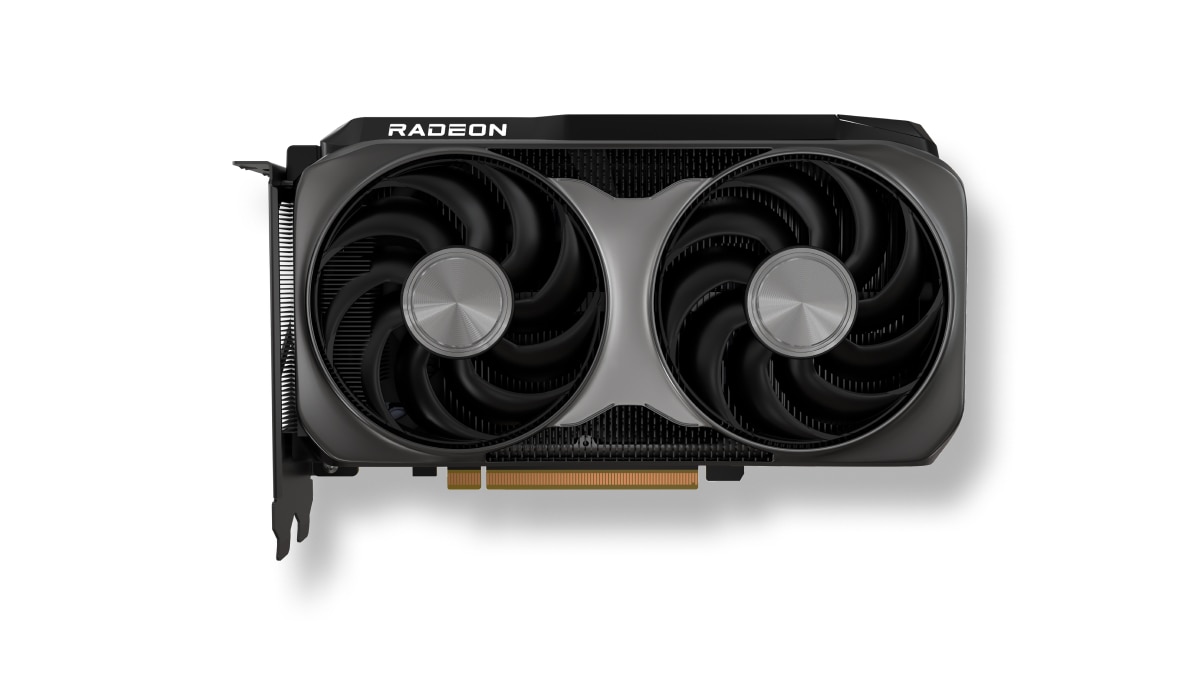
ASUS Phoenix GeForce GTX 1650
ZOTAC GeForce GTX 1050 OC

ASUS Phoenix GeForce GTX 1650 vs ZOTAC GeForce GTX 1050 OC. Specifications, performance, tests

User rating
star star star star star
Released
Q2/2019
ASUS Phoenix GeForce GTX 1650
Released
Q4/2016
User rating
star star star star star
ZOTAC GeForce GTX 1050 OC

What's the best choice ASUS Phoenix GeForce GTX 1650 or ZOTAC GeForce GTX 1050 OC? Which graphics card is faster?

We have prepared a comparison to help you choose the best graphics card. Compare their specifications and benchmarks.

ASUS Phoenix GeForce GTX 1650 has a base frequency of 1.485 GHz. Memory size 4 GB. Memory type GDDR5. Released in Q2/2019.

ZOTAC GeForce GTX 1050 OC has a base frequency of 1.455 GHz+ 7 %. Memory size 2 GB. Memory type GDDR5. Released in Q4/2016.

Differences

  • Place in the overall ranking

    (based on several benchmarks)

    2818 left arrow place
  • More memory

    100% more memory

    4 GB left arrow 2 GB

Positions in all rankings

Common positions ASUS Phoenix GeForce GTX 1650 GPU in popular benchmarks, for comparison with other models.

  • FP32 Performance (Single-precision TFLOPS)
    2894 place
  • Battlefield 5
    2822 place
  • Shadow of the Tomb Raider
    2728 place
  • Crypto-Mining Ergo Hashrate (MH/s)
    2761 place
  • Crypto-Mining Ravencoin Hashrate (MH/s)
    2590 place
  • Place in the overall ranking

    (based on several benchmarks)

    2939 left arrow place

Positions in all rankings

Common positions ZOTAC GeForce GTX 1050 OC GPU in popular benchmarks, for comparison with other models.

  • FP32 Performance (Single-precision TFLOPS)
    3074 place
  • Battlefield 5
    2943 place
  • Shadow of the Tomb Raider
    2857 place

Specifications

Technical data
ASUS Phoenix GeForce GTX 1650 ASUS Phoenix GeForce GTX 1650
ZOTAC GeForce GTX 1050 OC ZOTAC GeForce GTX 1050 OC
General info

Comparison of basic technical data of graphics cards ASUS Phoenix GeForce GTX 1650 and ZOTAC GeForce GTX 1050 OC, chip, information processing units.

  • Based on
    NVIDIA GeForce GTX 1650 (GDDR5) left arrow NVIDIA GeForce GTX 1050 2GB
  • Execution Units
    14 left arrow 5
  • GPU Chip
    TU117-300-A1 left arrow GP107-300-A1
  • Render Output Units
    32 left arrow 32
  • Shader
    896 left arrow 640
  • Texture Units
    56 left arrow 40
Memory settings

Video memory capacity, type, bus width and bandwidth describe different properties. These values alone do not determine graphics performance.

  • Memory Bandwidth
    128 GB/s left arrow 112 GB/s
  • Memory Bus
    128 bit left arrow 128 bit
  • Memory Size
    4 GB left arrow 2 GB
  • Memory Speed (legacy frequency label)
    2000 MHz left arrow 1752 MHz
  • Memory Type
    GDDR5 left arrow GDDR5
Clock frequency

Published GPU clock frequencies describe different operating modes. Clock speed alone does not determine graphics performance.

  • Base Clock
    1485 MHz left arrow 1455 MHz + 7%
  • Boost Clock
    1695 MHz + 2% left arrow 1569 MHz + 8%
  • Game Clock
    1665 MHz left arrow -
  • Overclocking
    Yes left arrow Yes
Thermal Management

Graphics card power limits and recommended system power supply describe different specifications.

  • Maximum Junction Temperature
    - left arrow -
  • TDP
    75 W left arrow 75 W
  • TDP (up)
    - left arrow -
Cooler & Fans type

Types and sizes of coolers for graphics card cooling system ASUS Phoenix GeForce GTX 1650 and ZOTAC GeForce GTX 1050 OC.

  • Cooler-Type
    Air cooling left arrow Air cooling
  • Fan-Type
    Axial left arrow Axial
  • Fan 1
    1 x 80 mm left arrow 2 x 70 mm
  • Fan 2
    - left arrow -
  • Noise (Idle)
    - left arrow -
  • Noise (Load)
    - left arrow -
Interfaces

Connectivity and connections.

  • DisplayPort Ports
    1 × DisplayPort 1.4 left arrow 1 × DisplayPort 1.4
  • DVI Ports
    1 × DVI left arrow 1 × DVI
  • HDCP Version
    2.2 left arrow 2.2
  • HDMI Ports
    1 × HDMI 2.0b left arrow 1 × HDMI 2.0b
  • Max. Displays
    3 left arrow 3
  • PCIe Interface
    PCIe 3.0 x16 left arrow PCIe 3.0 x16
  • Power Connectors
    1 x 6-Pin left arrow -
  • USB-C Ports
    - left arrow -
  • VGA Ports
    - left arrow -
Technical data

Technical data that is used to its full potential in computer games.

  • DirectX
    12_1 left arrow 12_1
  • DLSS / FSR
    No left arrow No
  • LED
    No LED lighting left arrow No LED lighting
  • Max. resolution
    3840 × 2160 left arrow 7680 × 4320
  • Raytracing
    No left arrow No
Supported Video Codecs

Built-in support for video and image compression standards.

  • AV1
    No left arrow No
  • h264
    Decode / Encode left arrow Decode / Encode
  • h265 / HEVC
    Decode / Encode left arrow Decode / Encode
  • VP8
    Decode left arrow No
  • VP9
    Decode left arrow Decode
Dimensions

The difference in size, weight and slot of the compared devices

  • Height
    110 mm left arrow 111 mm
  • Length
    190 mm left arrow 174 mm
  • Slot Size
    2 PCIe-Slots left arrow 2 PCIe-Slots
  • Weight
    - left arrow -
  • Width
    38 mm left arrow -
More information

Comparison of interfaces and release dates for GPU ZOTAC GeForce GTX 1050 OC and ASUS Phoenix GeForce GTX 1650.

  • Documents
    data sheet left arrow data sheet
  • Launch Price (historical)
    - left arrow -
  • Part Number
    PH-GTX1650-4G left arrow ZT-P10500C-10L
  • Process Technology
    12 nm left arrow 14 nm
  • Release date
    Q2/2019 left arrow Q4/2016

Benchmarks

Performance tests GPUs

Based on the results of several popular benchmarks, you can more accurately estimate the performance difference between ASUS Phoenix GeForce GTX 1650 and ZOTAC GeForce GTX 1050 OC.

Compare synthetic benchmarks and choose the best graphics card for you!

These are saved results from the earlier catalog. Measurement dates and test configurations were not recorded. Models with no comparable results are omitted.

Recent models: test results with identified primary sources — Game frame rates

Archive: saved catalog source links. The original measurement method and test conditions have not been verified; current source pages may differ from the imported content. ASUS Phoenix GeForce GTX 1650 · ZOTAC GeForce GTX 1050 OC

FP32 Performance (Single-precision TFLOPS)
Benchmark FP32 is a 32-bit floating point calculation for the GPU which is required for 3D gaming

Higher values are better in this metric.

3.04 TFLOPS
ASUS Phoenix GeForce GTX 1650
2.01 TFLOPS
ZOTAC GeForce GTX 1050 OC
Battlefield 5
Battlefield 5 is a realistic game, with a built-in benchmark, very suitable as a test for graphics cards

Higher values are better in this metric.

20 fps
ASUS Phoenix GeForce GTX 1650
15 fps
ZOTAC GeForce GTX 1050 OC
Shadow of the Tomb Raider
Shadow of the Tomb Raider has a built-in benchmark, based on the Crystal Dynamics Foundation engine

Higher values are better in this metric.

12 fps
ASUS Phoenix GeForce GTX 1650
9 fps
ZOTAC GeForce GTX 1050 OC

Latest comparisons