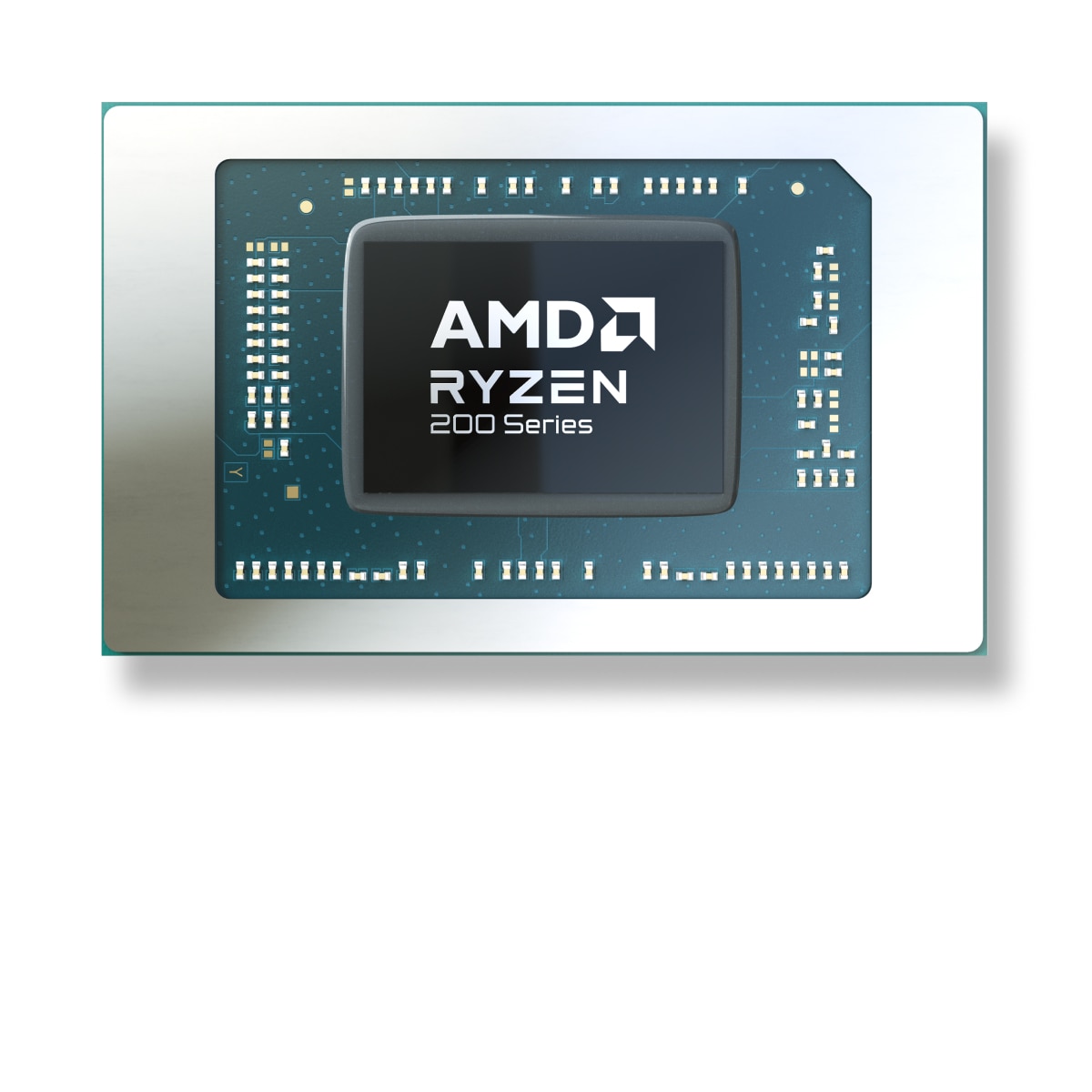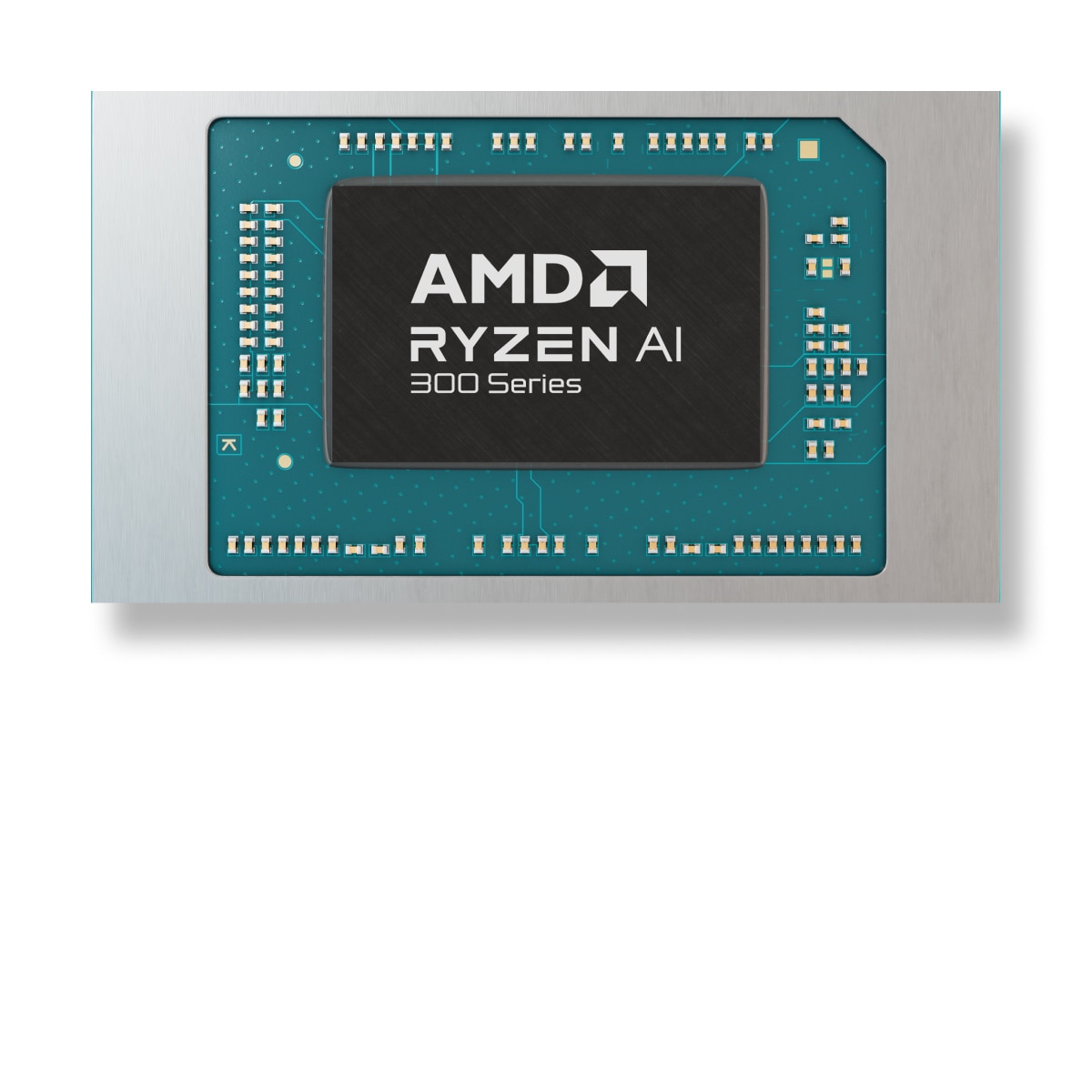
Family illustration.
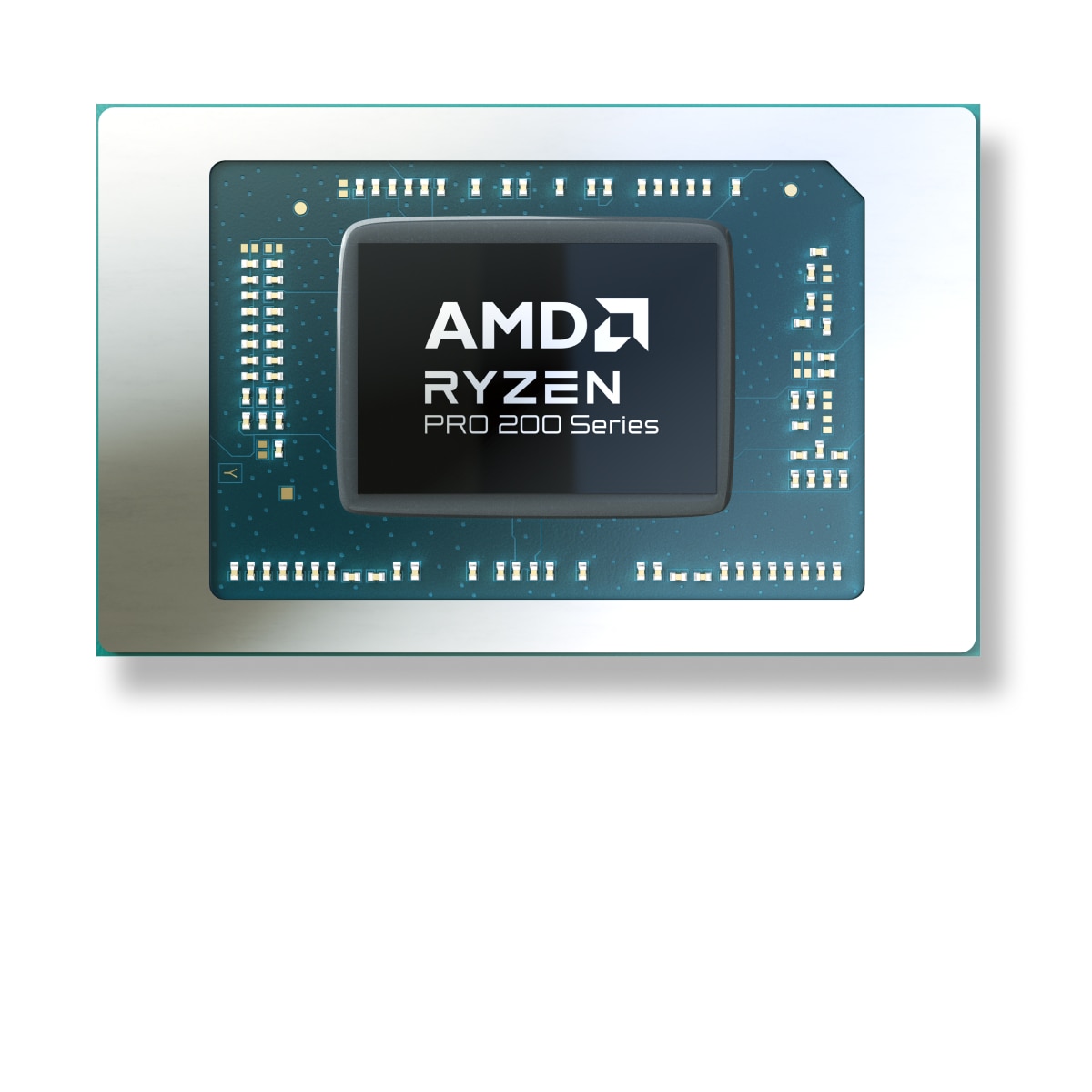
Family illustration.
What's the best choice AMD Ryzen AI 9 HX 370 or AMD Ryzen 3 PRO 205? Which processor is faster?
Compare the available specifications of these models.
AMD Ryzen AI 9 HX 370 has a base frequency of 2 GHz. 12 / 24 CPU Cores / Threads. Stated TDP / base power 28 W. Released in 2025-07-28.
AMD Ryzen 3 PRO 205 has a base frequency of 2.8 GHz. 4 / 8 CPU Cores / Threads. Stated TDP / base power 28 W. Released in 2026-06-02.
Reasons to consider More number of cores
8 more cores
 4
4
Higher turbo clock speed
Around 11% higher specified turbo frequency
4.6 GHz
Reasons to consider Higher clock speed
Around 40% better clock speed
2 GHz
AMD Ryzen AI 9 HX 370
Background information about the processors being compared, series, generation and market segment.
 Ryzen PRO
Laptops / Desktops
Mobile
Ryzen PRO 200 Series
Ryzen PRO
Laptops / Desktops
Mobile
Ryzen PRO 200 Series
Core counts, threads, cache and clock modes describe the CPU configuration. Performance depends on the workload and comparable measured results.
2.8 GHz
4
8
4.6 GHz
No
Internal Graphics does not affect the performance of the CPU, performs the work of the graphics card in its absence or on mobile devices.
2300 MHz
AMD Radeon 740M
4
Types, channel quantity of RAM supported by AMD Ryzen 3 PRO 205 and AMD Ryzen AI 9 HX 370. Depending on the motherboards, higher or lower memory frequencies may be supported.
2
DDR5 (FP8) / LPDDR5X (FP8)
PCIe 4.0
Compare the TDP requirements of TDP AMD Ryzen AI 9 HX 370 and AMD Ryzen 3 PRO 205 Power specifications describe different manufacturer limits. TDP, base power and maximum turbo power are separate values; they do not establish measured system consumption.
15-40 W
28 W
100 °C
Architecture, interfaces, additional instructions supported by AMD Ryzen AI 9 HX 370 and AMD Ryzen 3 PRO 205, virtual machine technologies and process technology.
Hawk Point
4 MB
8 MB
2026-06-02
FP8
TSMC 4nm FinFET
These results have no shared test of both models with the same version and settings. They are shown separately without a percentage difference.
Results were obtained on the reported systems. Test versions and settings remain separate; incomplete conditions do not support calculated model performance differences.
| Model | Result | Reported conditions |
|---|---|---|
| AMD Ryzen AI 9 HX 370 | 4905 points | System: Geekom A9 Max, AI 9 HX 370 CPU / power label: Ryzen AI 9 HX 370 65 W / 54 W Graphics: Radeon 890M ? / 2800 MHz RAM: 32 GB Exact test build and complete conditions are unreported; no ranking position. |
| Model | Result | Reported conditions |
|---|---|---|
| AMD Ryzen AI 9 HX 370 | 479 points | System: Geekom A9 Max, AI 9 HX 370 CPU / power label: Ryzen AI 9 HX 370 65 W / 54 W Graphics: Radeon 890M ? / 2800 MHz RAM: 32 GB Exact test build and complete conditions are unreported; no ranking position. |
| Model | Result | Reported conditions |
|---|---|---|
| AMD Ryzen AI 9 HX 370 | 1008 points | System: Ryzen AI 9 HX 370, 33 W Zenbook S 16, Performance CPU / power label: Ryzen AI 9 HX 370, 33 W Zenbook S 16, Performance Graphics: AMD Radeon 890M Exact test build and complete conditions are unreported; no ranking position. |
| Model | Result | Reported conditions |
|---|---|---|
| AMD Ryzen AI 9 HX 370 | 919 points | System: Ryzen AI 9 HX 370, 28 W Zenbook S 16, Standard CPU / power label: Ryzen AI 9 HX 370, 28 W Zenbook S 16, Standard Graphics: AMD Radeon 890M Exact test build and complete conditions are unreported; no ranking position. |
| Model | Result | Reported conditions |
|---|---|---|
| AMD Ryzen AI 9 HX 370 | 1203 points | System: Geekom A9 Max, AI 9 HX 370 CPU / power label: Ryzen AI 9 HX 370 65 W / 54 W Graphics: Radeon 890M ? / 2800 MHz RAM: 32 GB Exact test build and complete conditions are unreported; no ranking position. |
| Model | Result | Reported conditions |
|---|---|---|
| AMD Ryzen AI 9 HX 370 | 119 points | System: Geekom A9 Max, AI 9 HX 370 CPU / power label: Ryzen AI 9 HX 370 65 W / 54 W Graphics: Radeon 890M ? / 2800 MHz RAM: 32 GB Exact test build and complete conditions are unreported; no ranking position. |
| Model | Result | Reported conditions |
|---|---|---|
| AMD Ryzen AI 9 HX 370 | 15553 points | System: Geekom A9 Max, AI 9 HX 370 Graphics: AMD Radeon 890M Resolution: 1280x720 Memory, power and exact benchmark build are unreported; no ranking position. |
| Model | Result | Reported conditions |
|---|---|---|
| AMD Ryzen AI 9 HX 370 | 21529 points | System: Geekom A9 Max, AI 9 HX 370 CPU / power label: Ryzen AI 9 HX 370 65 W / 54 W Graphics: Radeon 890M ? / 2800 MHz RAM: 32 GB Exact test build and complete conditions are unreported; no ranking position. |
| Model | Result | Reported conditions |
|---|---|---|
| AMD Ryzen AI 9 HX 370 | 1989 points | System: Geekom A9 Max, AI 9 HX 370 CPU / power label: Ryzen AI 9 HX 370 65 W / 54 W Graphics: Radeon 890M ? / 2800 MHz RAM: 32 GB Exact test build and complete conditions are unreported; no ranking position. |
| Model | Result | Reported conditions |
|---|---|---|
| AMD Ryzen AI 9 HX 370 | 8435 points | System: Geekom A9 Max, AI 9 HX 370 CPU / power label: Ryzen AI 9 HX 370 65 W / 54 W Graphics: Radeon 890M ? / 2800 MHz RAM: 32 GB Exact test build and complete conditions are unreported; no ranking position. |
| Model | Result | Reported conditions |
|---|---|---|
| AMD Ryzen AI 9 HX 370 | 778 points | System: Geekom A9 Max, AI 9 HX 370 CPU / power label: Ryzen AI 9 HX 370 65 W / 54 W Graphics: Radeon 890M ? / 2800 MHz RAM: 32 GB Exact test build and complete conditions are unreported; no ranking position. |
| Model | Result | Reported conditions |
|---|---|---|
| AMD Ryzen AI 9 HX 370 | 9161 points | System: Geekom A9 Max, AI 9 HX 370 Graphics: AMD Radeon 890M Resolution: 1920x1080 Memory, power and exact benchmark build are unreported; no ranking position. |
| Model | Result | Reported conditions |
|---|---|---|
| AMD Ryzen AI 9 HX 370 | 3325 points | System: Geekom A9 Max, AI 9 HX 370 Graphics: AMD Radeon 890M Resolution: 2560x1440 Memory, power and exact benchmark build are unreported; no ranking position. |
| Model | Result | Reported conditions |
|---|---|---|
| AMD Ryzen AI 9 HX 370 | 3075 points | System: Ryzen AI 9 HX 370, 33 W Zenbook S 16, Performance Graphics: AMD Radeon 890M Resolution: Memory, power and exact benchmark build are unreported; no ranking position. |
| Model | Result | Reported conditions |
|---|---|---|
| AMD Ryzen AI 9 HX 370 | 3249 points | System: Ryzen AI 9 HX 370, 28 W Zenbook S 16, Standard Graphics: AMD Radeon 890M Resolution: Memory, power and exact benchmark build are unreported; no ranking position. |


 Russian
 German
 Portuguese
 Italian
 French
 Japan
Japan Spanish
 Polish
 Chinese
 Korean