

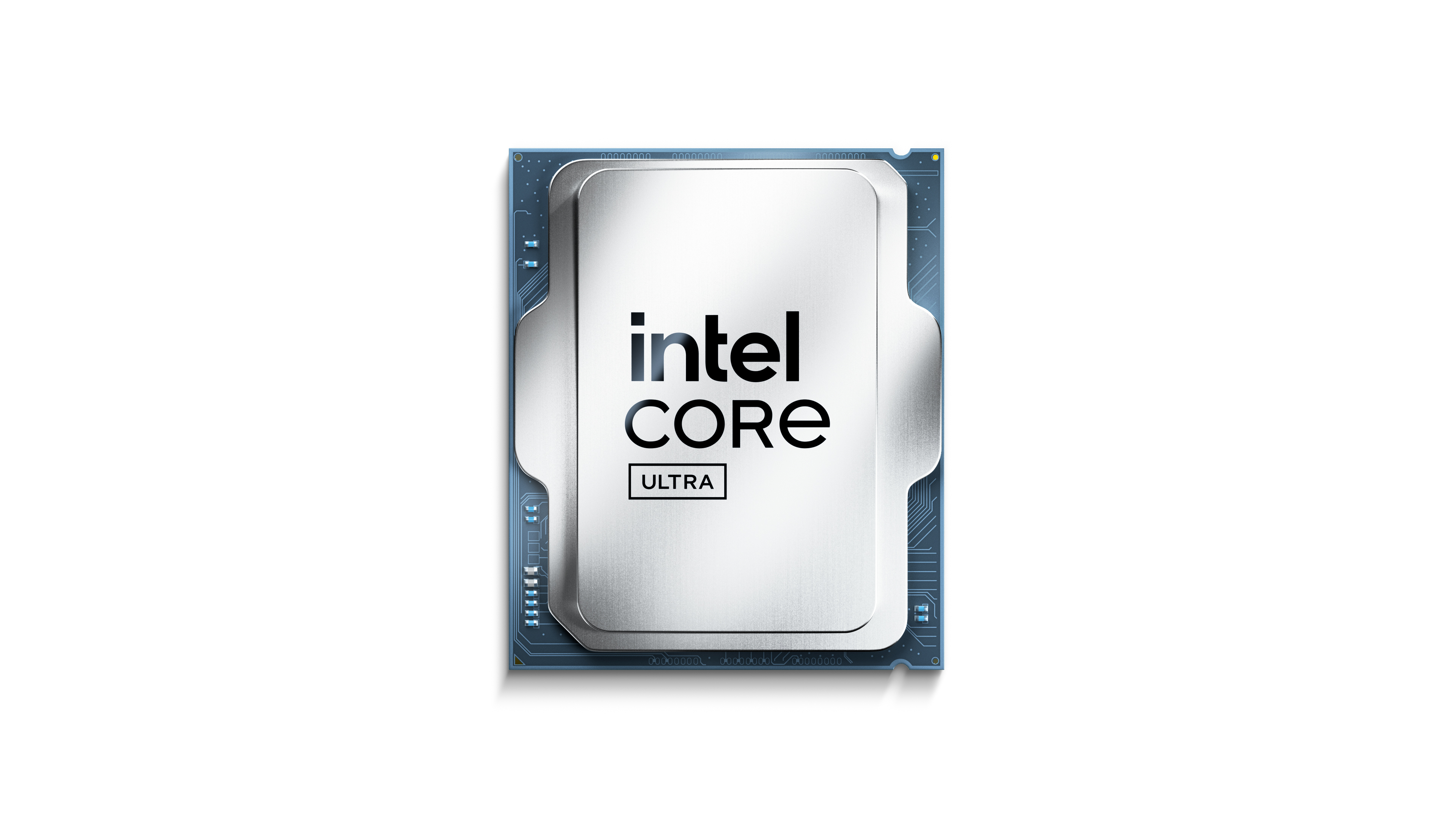
Family illustration.
What's the best choice Intel Core i9-13900F or Intel Core Ultra 7 270K Plus? Which processor is faster?
Compare the available specifications of these models.
Intel Core i9-13900F has a base frequency of 2.00 GHz (5.60 GHz). 24 / 32 CPU Cores / Threads. Stated TDP / base power 65 W. Released in Q1/2023.
Intel Core Ultra 7 270K Plus has a base frequency of 3.70 GHz. 24 / 24 CPU Cores / Threads. Stated TDP / base power 125 W. Released in Q1/2026.
Reasons to consider Place in the overall ranking
(based on several benchmarks)
 place
Lower stated TDP / base power
Power limits alone do not measure performance per watt.
 125 W
Common positions Intel Core i9-13900F CPU in popular benchmarks, for comparison with other models.
Reasons to consider
Intel Core i9-13900F
Background information about the processors being compared, series, generation and market segment.
 -
Intel Core Ultra 200
-
-
Desktop
Core counts, threads, cache and clock modes describe the CPU configuration. Performance depends on the workload and comparable measured results.
-
-
-
-
-
24
24
-
-
3.7 GHz
3.2 GHz
4.7 GHz
16
3.7 GHz
5.4 GHz
8
5.5 GHz
Internal Graphics does not affect the performance of the CPU, performs the work of the graphics card in its absence or on mobile devices.
-
Built-in codecs used to encode and decode content. Significantly speeds up the required operations.
-
-
-
-
-
-
-
-
Types, channel quantity of RAM supported by Intel Core Ultra 7 270K Plus and Intel Core i9-13900F. Depending on the motherboards, higher or lower memory frequencies may be supported.
-
256 GB
-
2
DDR5-7200
-
-
Compare the TDP requirements of TDP Intel Core i9-13900F and Intel Core Ultra 7 270K Plus Power specifications describe different manufacturer limits. TDP, base power and maximum turbo power are separate values; they do not establish measured system consumption.
-
-
250 W
125 W
Architecture, interfaces, additional instructions supported by Intel Core i9-13900F and Intel Core Ultra 7 270K Plus, virtual machine technologies and process technology.
Arrow Lake
-
-
-
40 MB
36 MB
-
Q1/2026
FCLGA1851
TSMC N3B
-
36 MB
These results have no shared test of both models with the same version and settings. They are shown separately without a percentage difference.
Published measurements are separate from the archived index. Incomplete conditions and unknown run counts do not support ranking positions or calculated performance differences.
| Model | Test | Result | Reported conditions |
|---|---|---|---|
| Intel Core Ultra 7 270K Plus | Cinebench 2026 / multi-core | 10063 points | Graphics card: Asus ROG Strix RTX 4090 OC Edition System RAM: 32 GB DDR5-8200 CL40-52-52-131 CUDIMM OS: Windows 11 23H2 Motherboard: Asus ROG Maximus Z890 Hero BIOS: 1501 Driver: GeForce Game Ready Driver 572.70 WHQL Profile: Intel Default Profile |
| Intel Core Ultra 7 270K Plus | Cinebench 2026 / single-core | 598 points | Graphics card: Asus ROG Strix RTX 4090 OC Edition System RAM: 32 GB DDR5-8200 CL40-52-52-131 CUDIMM OS: Windows 11 23H2 Motherboard: Asus ROG Maximus Z890 Hero BIOS: 1501 Driver: GeForce Game Ready Driver 572.70 WHQL Profile: Intel Default Profile |
Results were obtained on the reported systems. Test versions and settings remain separate; incomplete conditions do not support calculated model performance differences.
| Model | Result | Reported conditions |
|---|---|---|
| Intel Core Ultra 7 270K Plus | 13359.874952 H/s | RandomX / XMRig 6.26.0 / 1M / 24 threads / windows System RAM: 48 GB OS: Windows NT 10.0 Motherboard: ASRock / Z890 Pro-A Duration: 74.851 s User-submitted run; tuning and power settings are incomplete. |
| Model | Result | Reported conditions |
|---|---|---|
| Intel Core i9-13900F | 9449.652253 H/s | RandomX / XMRig 6.22.1 / 1M / 32 threads / windows System RAM: 64 GB OS: Windows NT 10.0 Duration: 105.824 s User-submitted run; tuning and power settings are incomplete. |


 Russian
 German
 Portuguese
 Italian
 French
 Japan
 Spanish
 Polish
 Chinese
 Korean