Wybierz procesor 1
Wybierz procesor 2
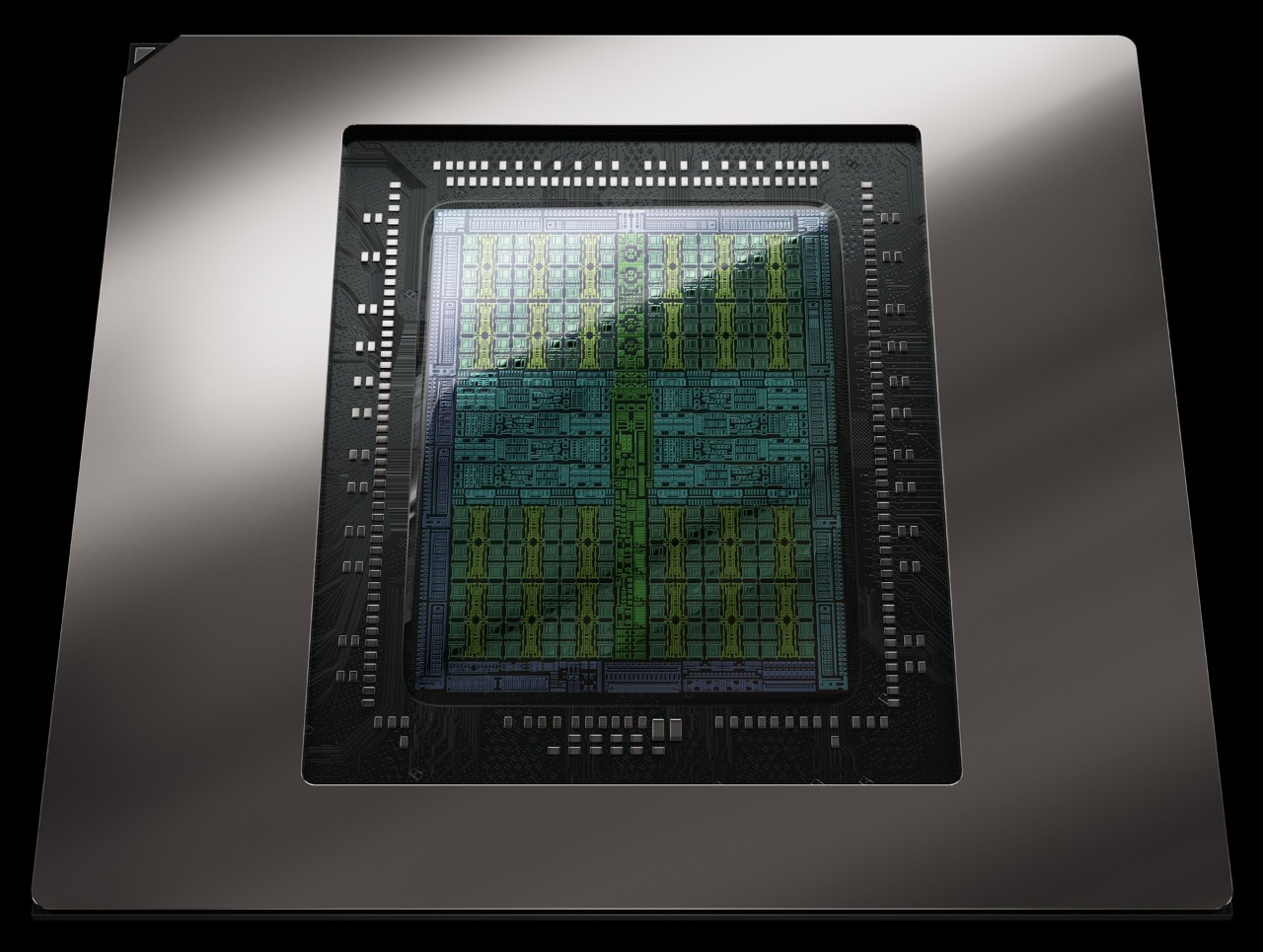
NVIDIA H100 SXM5
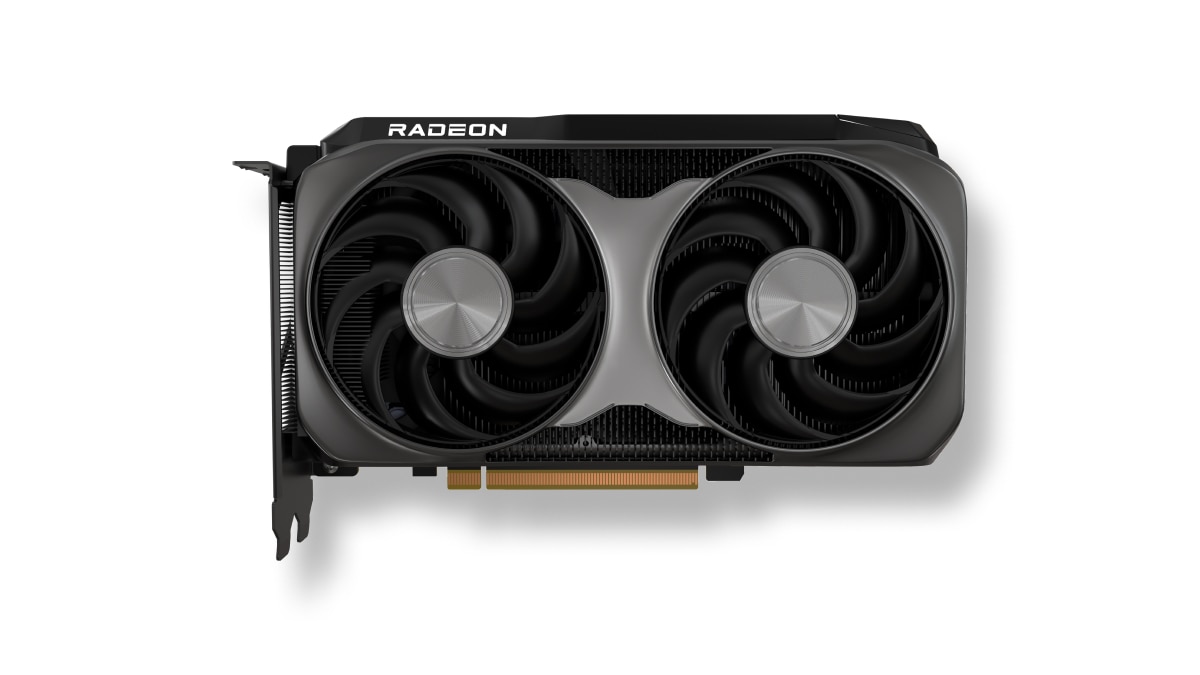
NVIDIA GeForce GTX 1630

NVIDIA H100 SXM5 kontra NVIDIA GeForce GTX 1630. Specyfikacje

User rating
star star star star star
Wydany
Q2/2022
NVIDIA H100 SXM5
NVIDIA H100 SXM5
Wydany
Q2/2022
User rating
star star star star star
NVIDIA GeForce GTX 1630

Jaki jest najlepszy wybór NVIDIA H100 SXM5 lub NVIDIA GeForce GTX 1630? Która karta graficzna jest szybsza?

Compare the available specifications of these models.

NVIDIA H100 SXM5 has a base frequency of 1.065 GHz. Rozmiar pamięci 80 GB. Typ pamięci HBM3. Wydany w Q2/2022.

NVIDIA GeForce GTX 1630 has a base frequency of 1.74 GHz. Rozmiar pamięci 4 GB. Typ pamięci GDDR6. Wydany w Q2/2022.

Różnice

Videokards Powody do rozważenia
NVIDIA H100 SXM5
Zgłoś błąd
  • Więcej pamięci

    1900% więcej pamięci

    80 GB left arrow 4 GB
  • Wyższa prędkość zegara

    Wokół 63% lepsza prędkość zegara

    1.74 GHz left arrow 1.065 GHz

Specyfikacje

Dane techniczne
NVIDIA H100 SXM5 NVIDIA H100 SXM5
NVIDIA GeForce GTX 1630 NVIDIA GeForce GTX 1630
Informacje ogólne

Porównanie podstawowych danych technicznych kart graficznych NVIDIA H100 SXM5 oraz NVIDIA GeForce GTX 1630, chip, jednostki przetwarzania informacji.

  • Architektura
    Hopper left arrow Turing
  • Execution Units
    8448 left arrow 512
  • Układ GPU
    GH100 left arrow TU117
  • L1 Cache
    192 KB left arrow 64 KB
  • L2 Cache
    50 MB left arrow 1024 KB
  • Jednostki wyjściowe renderingu
    24 left arrow 16
  • Jednostki tekstury
    528 left arrow 32
  • CUDA Cores
    - left arrow 512
Ustawienia pamięci

Video memory capacity, type, bus width and bandwidth describe different properties. These values alone do not determine graphics performance.

  • Memory Bandwidth
    1,920 GB/s left arrow 96 GB/s
  • Memory Bus
    5120 bit left arrow 64 bit
  • Memory Clock
    1500 MHz left arrow 1500 MHz
  • Memory Data Rate
    3 Gbps left arrow 12 Gbps
  • Rozmiar pamięci
    80 GB left arrow 4 GB
  • Typ pamięci
    HBM3 left arrow GDDR6
Częstotliwość zegara

Published GPU clock frequencies describe different operating modes. Clock speed alone does not determine graphics performance.

  • Częstotliwość podstawowa
    1065 MHz left arrow 1740 MHz
  • Maksymalna częstotliwość
    1780 MHz left arrow 1785 MHz
Zużycie energii

Graphics card power limits and recommended system power supply describe different specifications.

  • Board Number
    PG520 left arrow PG174 SKU 0
  • System Power Supply
    1100 W (PSU recommendation) left arrow 300 W (Minimum system power requirement)
  • TDP
    700 W left arrow 75 W
  • Graphics Card Power
    - left arrow 75 W
  • Maximum GPU Temperature
    - left arrow 90-94 °C
Interfejsy

Łączność i połączenia.

  • Max. Wyświetlacze
    1 left arrow -
  • PCIe Interface
    PCIe 5.0 x16 left arrow CIe 3.0 x8
  • Power Connectors
    8-pin EPS left arrow 6-pin
  • DisplayPort Ports
    - left arrow 1 × DisplayPort 1.4a
  • Porty DVI
    - left arrow 1 × DVI
  • Porty HDMI
    - left arrow 1 × HDMI 2.0
  • Other Display Outputs (unparsed)
    - left arrow HDMI 2.0b; DL-DVI-D; DP 1.4a
Dane techniczne

Dane techniczne, które są w pełni wykorzystywane w grach komputerowych.

  • CUDA
    9.0 left arrow 7.5
  • DirectX
    Nie left arrow 12.1
  • Maks. rozdzielczość
    3840x2160@60Hz left arrow 2560 × 1440
  • OpenCL
    3.0 left arrow 3.0
  • OpenGL
    Nie left arrow 4.6
  • Shader Model
    Nie left arrow 6.6
  • Vulkan
    Nie left arrow 1.3
Więcej informacji

Porównanie interfejsów i dat wydania dla GPU NVIDIA GeForce GTX 1630 oraz NVIDIA H100 SXM5.

  • Process Technology
    4 nm left arrow 12 nm
  • Data wydania
    Q2/2022 left arrow Q2/2022
  • Manufacturer specification scope
    - left arrow NVIDIA Founders Edition/reference design. Clock specifications apply to gaming use. AIB shipping specifications and complete-system power needs may differ.
  • Multi-monitor support
    - left arrow Tak
Theoretical Performance

  • FP16 (theoretical)
    120.3 TFLOPS left arrow 3.656 TFLOPS
  • FP32 (theoretical)
    30.07 TFLOPS left arrow 1.828 TFLOPS
  • FP64 (theoretical)
    15.04 TFLOPS left arrow 0.05712 TFLOPS
  • Pixel Rate
    42.72 GPixel/s left arrow 28.56 GPixel/s
  • Texture Rate
    939.8 GTexel/s left arrow 57.12 GTexel/s

Benchmarki

Badania eksploatacyjne GPUs

No comparable benchmark results are available yet. Specifications alone do not determine which model is faster.

Najnowsze porównania