Intel Core 2 Quad Q8200
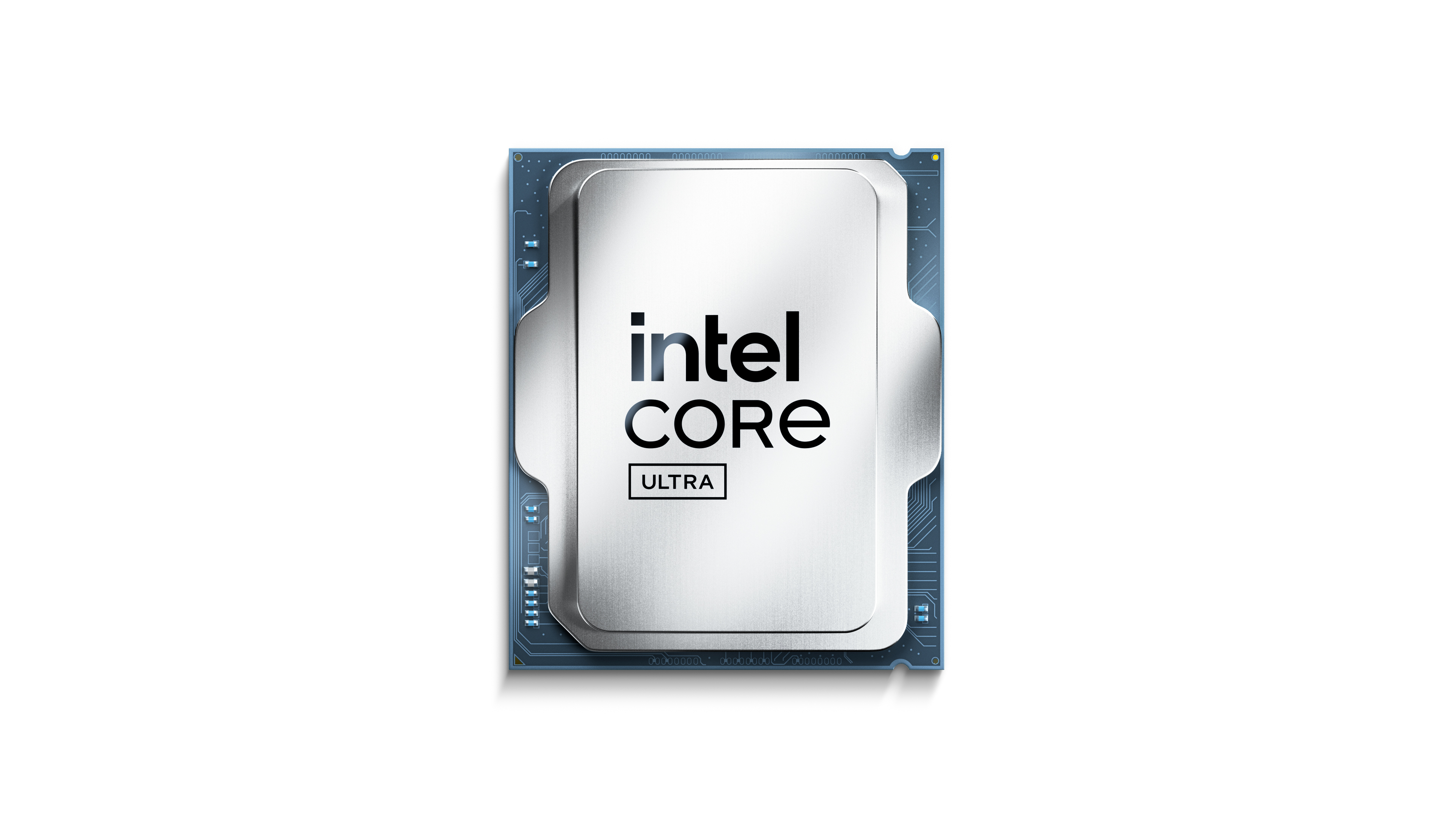
Intel Core i7-6700
Wybierz kartę graficzną 1
Wybierz kartę graficzną 2

Intel Core 2 Quad Q8200 kontra Intel Core i7-6700. Specyfikacje, wydajność, testy

User rating
star star star star star
Wydany
Q3/2008
Intel Core 2 Quad Q8200
Wydany
Q3/2015
User rating
star star star star star
Intel Core i7-6700
Intel Core i7-6700

Jaki jest najlepszy wybór Intel Core 2 Quad Q8200 lub Intel Core i7-6700? Który procesor jest szybszy?

Przygotowaliśmy porównanie, które pomoże Ci wybrać najlepszy procesor. Porównaj ich specyfikacje i benchmarki.

Intel Core 2 Quad Q8200 has a base frequency of 2.33 GHz. 4 CPU Cores / Threads. Stated TDP / base power 95 W. Wydany w Q3/2008.

Intel Core i7-6700 has a base frequency of 3.40 GHz. 4 CPU Cores / Threads. Stated TDP / base power 65 W. Wydany w Q3/2015.

Różnice


Pozycje we wszystkich rankingach

Wspólne stanowiska Intel Core 2 Quad Q8200 Procesor w popularnych benchmarkach, dla porównania z innymi modelami.

  • Geekbench 5, 64bit (Single-Core)
    1168 place
  • Geekbench 5, 64bit (Multi-Core)
    1097 place
  • Estimated results for PassMark CPU Mark
    1072 place
Intel Core i7-6700 Powody do rozważenia
Intel Core i7-6700
Zgłoś błąd
  • Miejsce w rankingu ogólnym

    (w oparciu o kilka benchmarków)

    209 left arrow miejsce
  • Wyższa prędkość zegara

    Wokół 46% lepsza prędkość zegara

    3.40 GHz left arrow 2.33 GHz
  • Lower stated TDP / base power

    Power limits alone do not measure performance per watt.

    65 W left arrow 95 W

Pozycje we wszystkich rankingach

Wspólne stanowiska Intel Core i7-6700 Procesor w popularnych benchmarkach, dla porównania z innymi modelami.

  • Cinebench R23 (Single-Core)
    231 place
  • Cinebench R23 (Multi-Core)
    234 place
  • Cinebench R20 (Single-Core)
    273 place
  • Cinebench R20 (Multi-Core)
    277 place
  • Cinebench R15 (Single-Core)
    239 place
  • Cinebench R15 (Multi-Core)
    350 place
  • Geekbench 5, 64bit (Single-Core)
    429 place
  • Geekbench 5, 64bit (Multi-Core)
    462 place
  • iGPU - FP32 Performance (Single-precision GFLOPS)
    667 place
  • Blender 2.81 (bmw27)
    98 place
  • Geekbench 3, 64bit (Single-Core)
    54 place
  • Geekbench 3, 64bit (Multi-Core)
    213 place
  • Cinebench R11.5, 64bit (Single-Core)
    58 place
  • Cinebench R11.5, 64bit (Multi-Core)
    192 place
  • Cinebench R11.5, 64bit (iGPU, OpenGL)
    46 place
  • Estimated results for PassMark CPU Mark
    373 place

Specyfikacje

Dane techniczne
Intel Core 2 Quad Q8200 Intel Core 2 Quad Q8200
Intel Core i7-6700 Intel Core i7-6700
Rodzina i grupa CPU

Informacje ogólne o porównywanych procesorach, serii, generacji i segmencie rynku.

  • Grupa CPU
    Intel Core 2 Quad Q8000/Q9000 left arrow Intel Core i 6000
  • Seria
    Intel Core2 Duo left arrow Intel Core i7
  • Pokolenie
    2 left arrow 6
  • Model z przeszłości
    Nie left arrow -
  • Segment
    Desktop left arrow Desktop / Server
  • Successor
    Nie left arrow Intel Core i7-7700
Specyfikacja techniczna procesora

Core counts, threads, cache and clock modes describe the CPU configuration. Performance depends on the workload and comparable measured results.

  • Base Frequency
    2.33 GHz left arrow 3.4 GHz
  • Architektura podstawowa
    normal left arrow normal
  • Rdzenie CPU
    4 left arrow 4
  • CPU Threads
    4 left arrow 8
  • Hyperthreading / SMT
    Nie left arrow Tak
  • Overclocking
    Nie left arrow Nie
  • Turbo Frequency (1 Core)
    Nie left arrow 4 GHz
  • Turbo Frequency (2 Cores)
    No turbo left arrow -
  • Turbo Frequency (4 Cores)
    - left arrow 3.7 GHz
IGPU

Internal Graphics nie wpływa na wydajność procesora, wykonuje pracę karty graficznej w przypadku jej braku lub na urządzeniach mobilnych.

  • DirectX Version
    - left arrow 12
  • Jednostki wykonawcze
    - left arrow 24
  • Pokolenie
    - left arrow 9
  • GPU Frequency
    - left arrow 350 MHz
  • Nazwa procesora graficznego
    - left arrow Intel HD Graphics 530
  • GPU Turbo
    - left arrow 1150 MHz
  • Max. displays
    - left arrow 3
  • Max. GPU Memory
    - left arrow 64 GB
  • Data wydania
    - left arrow Q3/2015
  • Shader
    - left arrow 192
  • Proces technologiczny
    - left arrow 14 nm
Obsługa kodeków sprzętowych

Wbudowane kodeki wykorzystywane do kodowania i dekodowania treści. Znacznie przyspiesza wymagane operacje.

  • AV1
    - left arrow Nie
  • H.264 / AVC
    - left arrow Decode / Encode
  • h265 / HEVC (8 bit)
    - left arrow Decode / Encode
  • h265 / HEVC (10 bit)
    - left arrow Decode
  • JPEG
    - left arrow Decode / Encode
  • VC-1
    - left arrow Decode
  • VP8
    - left arrow Decode / Encode
  • VP9
    - left arrow Decode
Specyfikacja pamięci i PCI

Typy, kanały ilość pamięci RAM obsługiwanych przez Intel Core i7-6700 oraz Intel Core 2 Quad Q8200. W zależności od płyt głównych mogą być obsługiwane wyższe lub niższe częstotliwości pamięci.

  • ECC
    Nie left arrow Nie
  • Max. Pamięć
    16 GB left arrow 64 GB
  • Kanały pamięci
    2 left arrow 2
  • Typ pamięci
    DDR2-800 / DDR3-1066 left arrow -
  • Pasma PCIe
    - left arrow 16
  • Wersja PCIe
    - left arrow 3.0
Szyfrowanie
  • AES-NI
    Nie left arrow Tak
Zużycie energii

Porównaj wymagania TDP Intel Core 2 Quad Q8200 oraz Intel Core i7-6700 Power specifications describe different manufacturer limits. TDP, base power and maximum turbo power are separate values; they do not establish measured system consumption.

  • Maximum Operating Temperature
    80 °C left arrow -
  • TDP (PL1, legacy label)
    95 W left arrow 65 W
  • TDP (PL2)
    Nie left arrow -
  • TDP down
    Nie left arrow -
  • TDP up
    Nie left arrow -
Technologie i rozszerzenia

Architektura, interfejsy, dodatkowe instrukcje obsługiwane przez Intel Core 2 Quad Q8200 oraz Intel Core i7-6700, technologie maszyn wirtualnych i technologie procesowe.

  • Architektura
    Yorkfield left arrow Skylake S
  • Zestaw instrukcji (ISA)
    x86-64 (64 bit) left arrow x86-64 (64 bit)
  • Rozszerzenia ISA
    MMX, SSE, SSE2, SSE3, SSE 4.1 left arrow SSE4.1, SSE4.2, AVX2
  • L2-Cache
    4 MB left arrow -
  • L3-Cache
    Nie left arrow 8 MB
  • Data wydania
    Q3/2008 left arrow Q3/2015
  • Gniazdo
    LGA 775 left arrow LGA 1151
  • Proces technologiczny
    45 nm left arrow 14 nm
  • Wirtualizacja
    VT-x, VT-d left arrow VT-x, VT-x EPT, VT-d

Benchmarki

Badania eksploatacyjne CPUs

Na podstawie wyników kilku benchmarków można dokładniej oszacować różnicę w wydajności między Intel Core 2 Quad Q8200 oraz Intel Core i7-6700.

Porównaj wartości testów syntetycznych i wybierz najlepszy procesor!

These are saved results from the earlier catalog. Measurement dates and test configurations were not recorded. Models with no comparable results are omitted.

Recent models: test results with identified primary sources — Cinebench R23 · Cinebench R20 · Cinebench R15 · Cinebench 2026 · RandomX benchmark

Geekbench 5, 64bit (Single-Core)
Geekbench 5 SC to popularny, wieloplatformowy test wydajności dla procesorów stacjonarnych i mobilnych, które intensywnie wykorzystują pamięć systemową.

Higher values are better in this metric.

299.000000
Intel Core 2 Quad Q8200
983.000000
Intel Core i7-6700
Geekbench 5, 64bit (Multi-Core)
Geekbench 5 MC to popularny, wieloplatformowy test wydajności dla procesorów stacjonarnych i mobilnych, które intensywnie wykorzystują pamięć systemową.

Higher values are better in this metric.

905.000000
Intel Core 2 Quad Q8200
3801.000000
Intel Core i7-6700
Estimated results for PassMark CPU Mark
PassMark to pakiet testowy, który wykonuje złożone obliczenia matematyczne w celu określenia wydajności procesora przy kompresji plików, szyfrowaniu i zadaniach związanych z fizyką.

Higher values are better in this metric.

1797.000000
Intel Core 2 Quad Q8200
10212.000000
Intel Core i7-6700

Najnowsze porównania