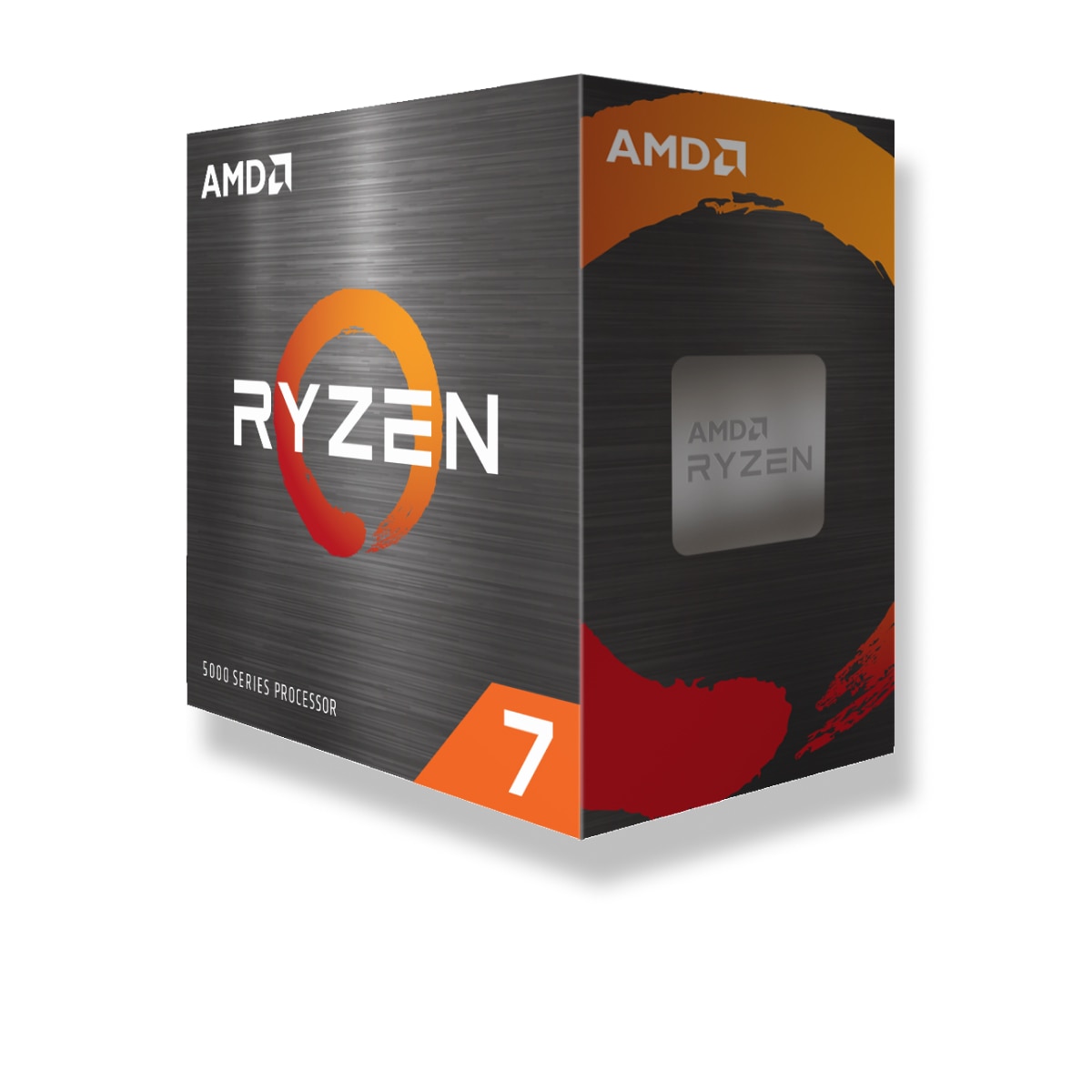
Intel Core2 Duo E7400
Intel Celeron N4500
Wybierz kartę graficzną 1
Wybierz kartę graficzną 2

Intel Core2 Duo E7400 kontra Intel Celeron N4500. Specyfikacje, wydajność, testy

User rating
star star star star star
Wydany
Q4/2008
Intel Core2 Duo E7400
Wydany
Q4/2021
User rating
star star star star star
Intel Celeron N4500
Intel Celeron N4500

Jaki jest najlepszy wybór Intel Core2 Duo E7400 lub Intel Celeron N4500? Który procesor jest szybszy?

Compare the available specifications of these models.

Intel Core2 Duo E7400 has a base frequency of 2.80 GHz. 2 CPU Cores / Threads. Stated TDP / base power 65 W. Wydany w Q4/2008.

Intel Celeron N4500 has a base frequency of 1.10 GHz. 2 CPU Cores / Threads. Stated TDP / base power 6 W. Wydany w Q4/2021.

Różnice

  • Wyższa prędkość zegara

    Wokół 155% lepsza prędkość zegara

    2.80 GHz left arrow 1.10 GHz

Pozycje we wszystkich rankingach

Wspólne stanowiska Intel Core2 Duo E7400 Procesor w popularnych benchmarkach, dla porównania z innymi modelami.

  • Geekbench 5, 64bit (Single-Core)
    1025 place
  • Geekbench 5, 64bit (Multi-Core)
    1150 place
  • Estimated results for PassMark CPU Mark
    1151 place
  • Lower stated TDP / base power

    Power limits alone do not measure performance per watt.

    6 W left arrow 65 W

Specyfikacje

Dane techniczne
Intel Core2 Duo E7400 Intel Core2 Duo E7400
Intel Celeron N4500 Intel Celeron N4500
Rodzina i grupa CPU

Informacje ogólne o porównywanych procesorach, serii, generacji i segmencie rynku.

  • Grupa CPU
    Intel Core 2 Duo E7000/E8000 left arrow Intel Celeron J4000/N4000/N5000
  • Seria
    Intel Core2 Duo left arrow Intel Celeron
  • Pokolenie
    2 left arrow 9
  • Model z przeszłości
    Nie left arrow -
  • Segment
    Desktop left arrow Mobile
  • Successor
    Nie left arrow -
Specyfikacja techniczna procesora

Core counts, threads, cache and clock modes describe the CPU configuration. Performance depends on the workload and comparable measured results.

  • Base Frequency
    2.8 GHz left arrow 1.1 GHz
  • Architektura podstawowa
    normal left arrow normal
  • Rdzenie CPU
    2 left arrow 2
  • CPU Threads
    2 left arrow 2
  • Hyperthreading / SMT
    Nie left arrow Nie
  • Overclocking
    Tak left arrow Nie
  • Turbo Frequency (1 Core)
    Nie left arrow 2.8 GHz
  • Turbo Frequency (2 Cores)
    Nie left arrow 2.4 GHz
  • A-Core
    - left arrow -- Tremont
IGPU

Internal Graphics nie wpływa na wydajność procesora, wykonuje pracę karty graficznej w przypadku jej braku lub na urządzeniach mobilnych.

  • DirectX Version
    - left arrow 12
  • Jednostki wykonawcze
    - left arrow 16
  • Pokolenie
    - left arrow 11
  • GPU Frequency
    - left arrow 350 MHz
  • Nazwa procesora graficznego
    - left arrow Intel UHD Graphics 16 EUs (Elkhart Lake)
  • GPU Turbo
    - left arrow 750 MHz
  • Max. displays
    - left arrow 3
  • Data wydania
    - left arrow Q1/2021
  • Shader
    - left arrow 128
  • Proces technologiczny
    - left arrow 10 nm
Obsługa kodeków sprzętowych

Wbudowane kodeki wykorzystywane do kodowania i dekodowania treści. Znacznie przyspiesza wymagane operacje.

  • AV1
    - left arrow Decode
  • H.264 / AVC
    - left arrow Decode / Encode
  • h265 / HEVC (8 bit)
    - left arrow Decode / Encode
  • h265 / HEVC (10 bit)
    - left arrow Decode / Encode
  • JPEG
    - left arrow Decode / Encode
  • VC-1
    - left arrow Decode
  • VP8
    - left arrow Decode / Encode
  • VP9
    - left arrow Decode / Encode
Specyfikacja pamięci i PCI

Typy, kanały ilość pamięci RAM obsługiwanych przez Intel Celeron N4500 oraz Intel Core2 Duo E7400. W zależności od płyt głównych mogą być obsługiwane wyższe lub niższe częstotliwości pamięci.

  • ECC
    Nie left arrow Nie
  • Max. Pamięć
    16 GB left arrow 32 GB
  • Kanały pamięci
    2 left arrow 2
  • Typ pamięci
    DDR2-1066 / DDR3-1333 left arrow DDR4-2933
  • Pasma PCIe
    - left arrow 12
  • Wersja PCIe
    - left arrow 3.0
Szyfrowanie
  • AES-NI
    Nie left arrow Tak
Zużycie energii

Porównaj wymagania TDP Intel Core2 Duo E7400 oraz Intel Celeron N4500 Power specifications describe different manufacturer limits. TDP, base power and maximum turbo power are separate values; they do not establish measured system consumption.

  • Maximum Operating Temperature
    80 °C left arrow -
  • TDP (PL1, legacy label)
    65 W left arrow 6 W
  • TDP (PL2)
    Nie left arrow 20 W
  • TDP down
    Nie left arrow 4.8 W
  • TDP up
    Nie left arrow -
Technologie i rozszerzenia

Architektura, interfejsy, dodatkowe instrukcje obsługiwane przez Intel Core2 Duo E7400 oraz Intel Celeron N4500, technologie maszyn wirtualnych i technologie procesowe.

  • Architektura
    Wolfdale left arrow Gemini Lake
  • Zestaw instrukcji (ISA)
    x86-64 (64 bit) left arrow x86-64 (64 bit)
  • Rozszerzenia ISA
    MMX, SSE, SSE2, SSE3, SSE 4.1 left arrow SSE4.1, SSE4.2
  • L2-Cache
    3 MB left arrow 1.5 MB
  • L3-Cache
    Nie left arrow 4 MB
  • Data wydania
    Q4/2008 left arrow Q4/2021
  • Gniazdo
    LGA 775 left arrow BGA 1090
  • Proces technologiczny
    45 nm left arrow 10 nm
  • Wirtualizacja
    VT-x left arrow VT-x, VT-x EPT, VT-d

Benchmarki

Badania eksploatacyjne CPUs

Individual system tests

Results were obtained on the reported systems. Test versions and settings remain separate; incomplete conditions do not support calculated model performance differences.

RandomX / XMRig 6.26.0 / 1M / 2 threads / linux

Model ResultReported conditions
Intel Celeron N4500 449.573175 H/s RandomX / XMRig 6.26.0 / 1M / 2 threads / linux
System RAM: 4 GB
OS: Linux x86_64
Duration: 2224.332 s
User-submitted run; tuning and power settings are incomplete.

Najnowsze porównania