
What's the best choice ZOTAC GeForce GTX 1050 OC or Sapphire Pulse Radeon RX 570 4G G5? Which graphics card is faster?
We have prepared a comparison to help you choose the best graphics card. Compare their specifications and benchmarks.
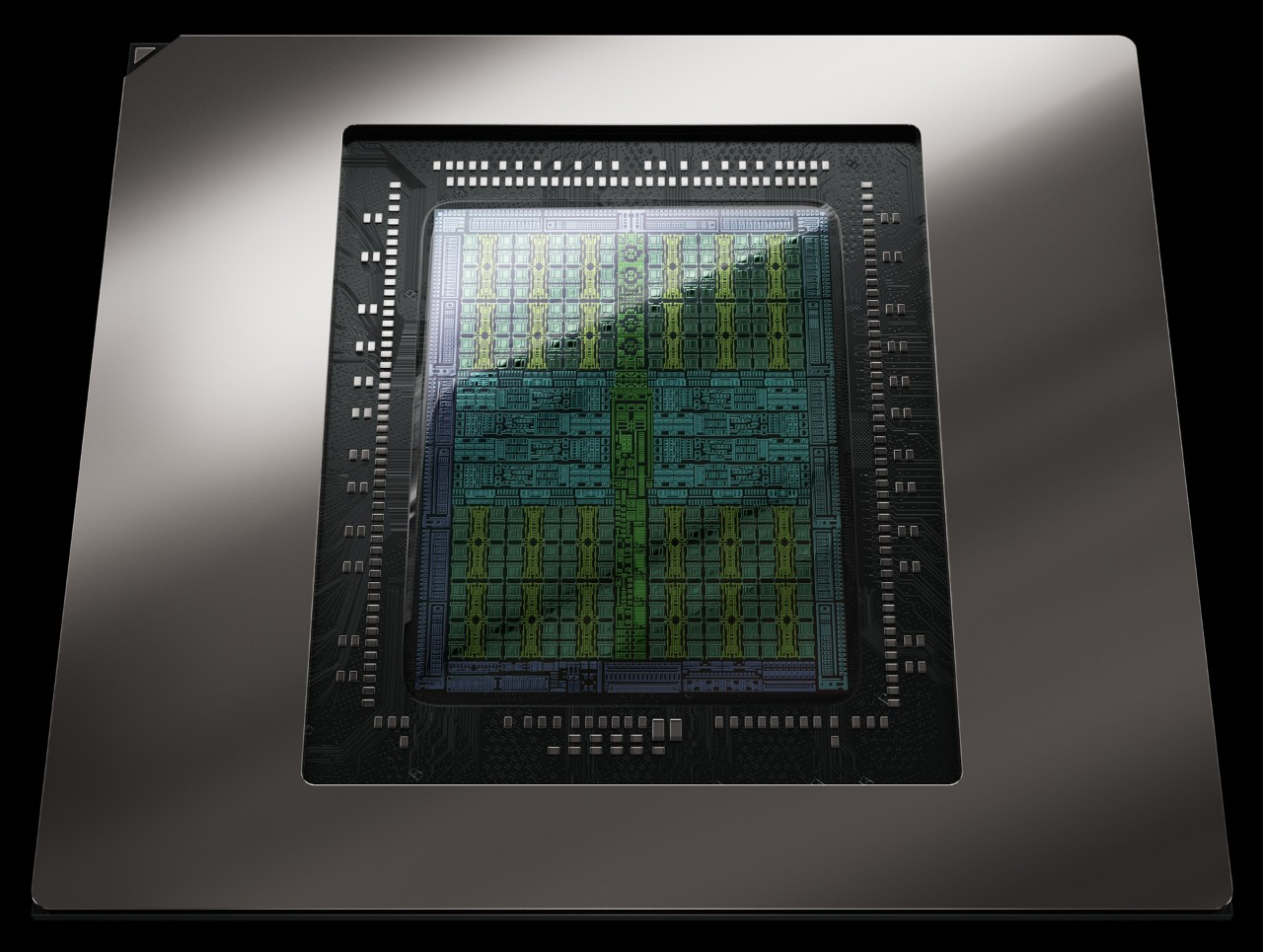
ZOTAC GeForce GTX 1050 OC has a base frequency of 1.455 GHz+ 7 %. Memory size 2 GB. Memory type GDDR5. Released in Q4/2016.
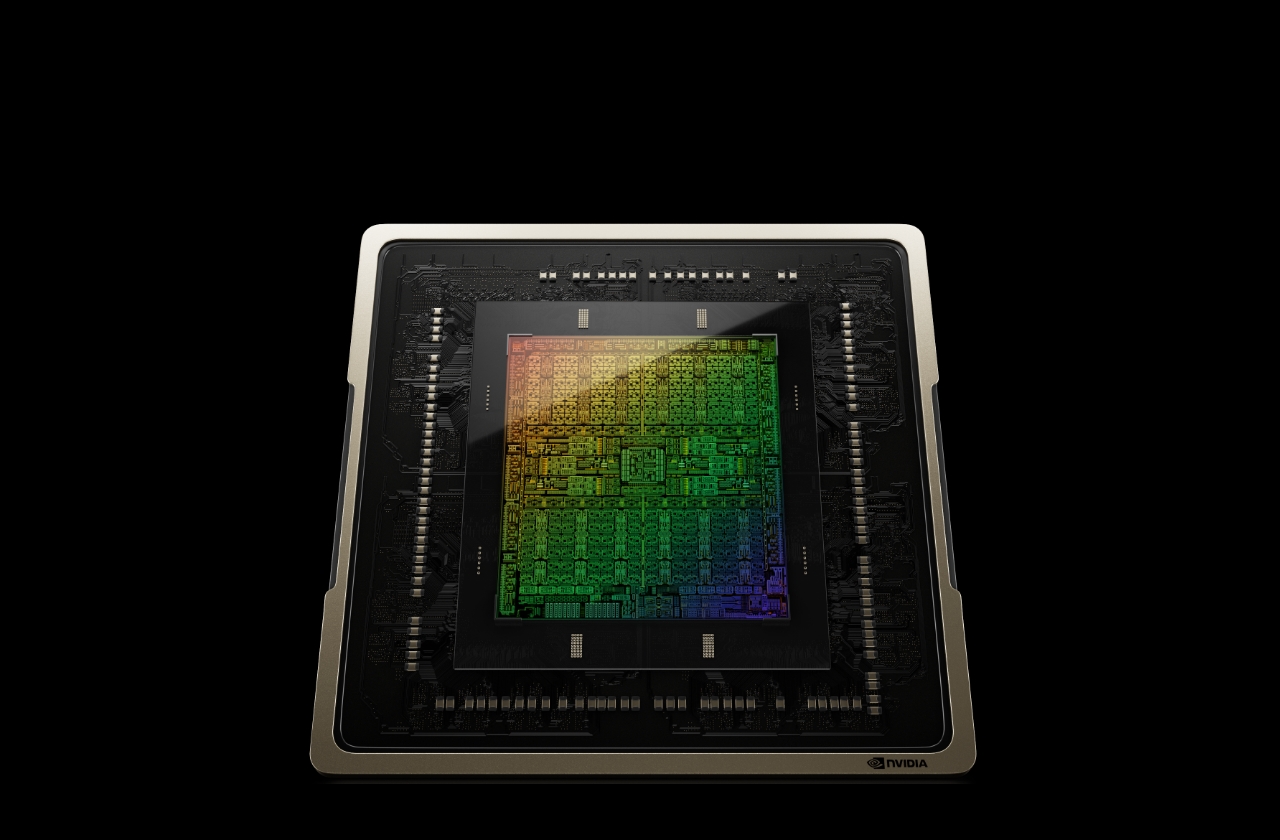
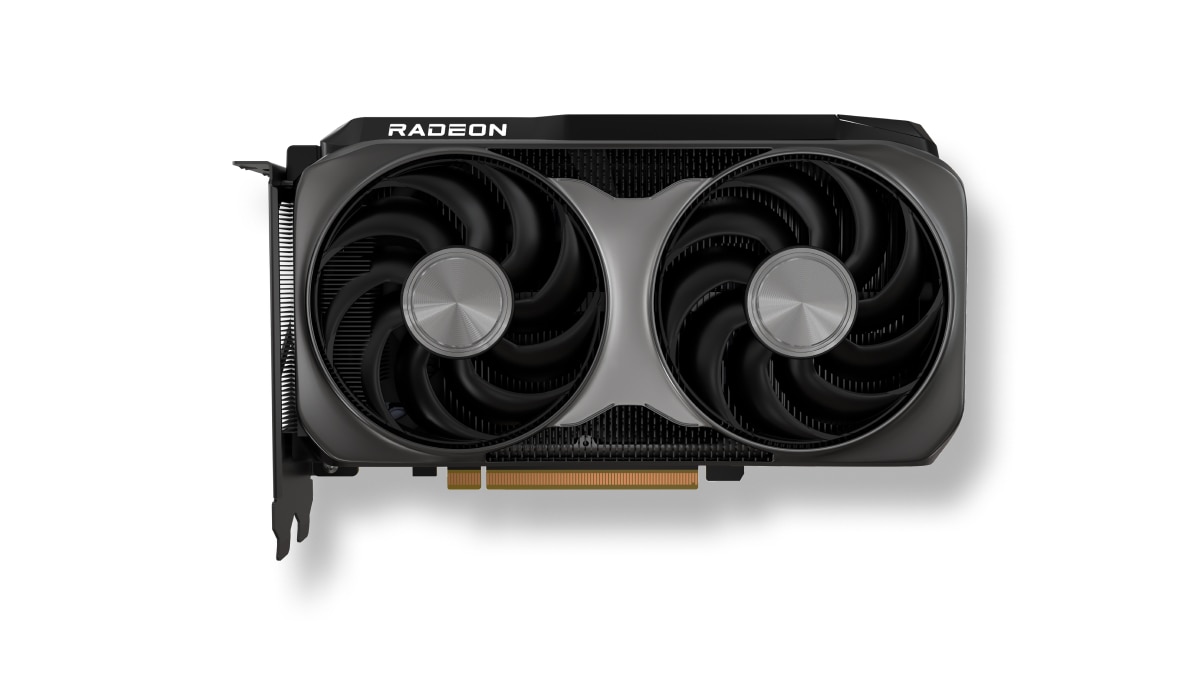
Sapphire Pulse Radeon RX 570 4G G5 has a base frequency of 1.168 GHz. Memory size 4 GB. Memory type GDDR5. Released in Q3/2017.
Reasons to consider Place in the overall ranking
(based on several benchmarks)
 place
place
Common positions ZOTAC GeForce GTX 1050 OC GPU in popular benchmarks, for comparison with other models.
Reasons to consider Place in the overall ranking
(based on several benchmarks)
place
More memory
100% more memory
 2 GB
2 GB
Common positions Sapphire Pulse Radeon RX 570 4G G5 GPU in popular benchmarks, for comparison with other models.
ZOTAC GeForce GTX 1050 OC
Comparison of basic technical data of graphics cards ZOTAC GeForce GTX 1050 OC and Sapphire Pulse Radeon RX 570 4G G5, chip, information processing units.
 AMD Radeon RX 570
32
Polaris 20 XL
32
2048
128
AMD Radeon RX 570
32
Polaris 20 XL
32
2048
128
Video memory capacity, type, bus width and bandwidth describe different properties. These values alone do not determine graphics performance.
224 GB/s
256 bit
4 GB
1750 MHz
GDDR5
Published GPU clock frequencies describe different operating modes. Clock speed alone does not determine graphics performance.
1168 MHz
1284 MHz + 3%
-
Yes
Graphics card power limits and recommended system power supply describe different specifications.
-
150 W
180 W
Types and sizes of coolers for graphics card cooling system ZOTAC GeForce GTX 1050 OC and Sapphire Pulse Radeon RX 570 4G G5.
Air cooling
Axial
2 x 95 mm
-
-
-
Connectivity and connections.
2 × DisplayPort 1.4
1 × DVI
2.2
2 × HDMI 2.0b
4
PCIe 3.0 x16
1 x 8-Pin
-
-
Technical data that is used to its full potential in computer games.
12
No
No LED lighting
5120 × 2880
No
Built-in support for video and image compression standards.
No
Decode / Encode
Decode / Encode
Decode
Decode
The difference in size, weight and slot of the compared devices
125 mm
230 mm
2 PCIe-Slots
-
40 mm
Comparison of interfaces and release dates for GPU Sapphire Pulse Radeon RX 570 4G G5 and ZOTAC GeForce GTX 1050 OC.
data sheet
-
11266-04
14 nm
Q3/2017
These results have no shared test of both models with the same version and settings. They are shown separately without a percentage difference.
Based on the results of several popular benchmarks, you can more accurately estimate the performance difference between ZOTAC GeForce GTX 1050 OC and Sapphire Pulse Radeon RX 570 4G G5.
Compare synthetic benchmarks and choose the best graphics card for you!
These are saved results from the earlier catalog. Measurement dates and test configurations were not recorded. Models with no comparable results are omitted.
Recent models: test results with identified primary sources — Game frame rates
Archived results. The original measurement method and test conditions have not been verified.
Higher values are better in this metric.
Higher values are better in this metric.
Higher values are better in this metric.


 Russian
 German
 Portuguese
 Italian
 French
 Japan
Japan Spanish
 Polish
 Chinese
 Korean