What's the best choice NVIDIA H100 PCIe or NVIDIA GeForce RTX 3090 Ti? Which graphics card is faster?
Compare the available specifications of these models.
NVIDIA H100 PCIe has a base frequency of 1.065 GHz. Memory size 80 GB. Memory type HBM2e. Released in Q2/2022.
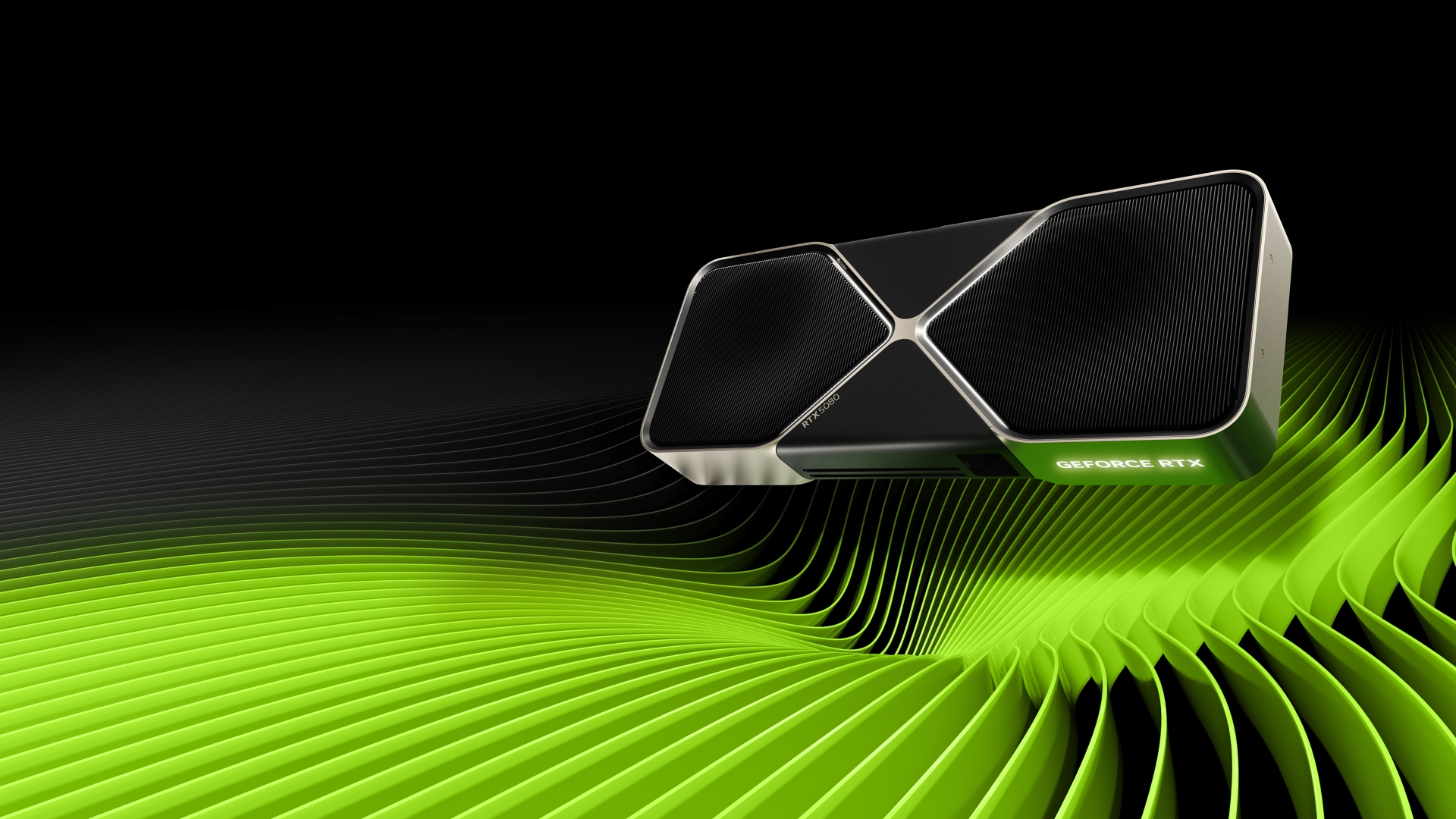
NVIDIA GeForce RTX 3090 Ti has a base frequency of 1.56 GHz. Memory size 24 GB. Memory type GDDR6X. Released in Q1/2022.
Reasons to consider More memory
233% more memory
 24 GB
Reasons to consider
24 GB
Reasons to consider Higher clock speed
Around 46% better clock speed
1.065 GHz
Common positions NVIDIA GeForce RTX 3090 Ti GPU in popular benchmarks, for comparison with other models.
NVIDIA H100 PCIe
Comparison of basic technical data of graphics cards NVIDIA H100 PCIe and NVIDIA GeForce RTX 3090 Ti, chip, information processing units.
 Ampere
-
GA102-350-A1
112
336
GA102
10752
128 KB
6 MB
10752
Ampere
-
GA102-350-A1
112
336
GA102
10752
128 KB
6 MB
10752
Video memory capacity, type, bus width and bandwidth describe different properties. These values alone do not determine graphics performance.
1,008 GB/s
384 bit
-
-
24 GB
GDDR6X
1300 MHz
Published GPU clock frequencies describe different operating modes. Clock speed alone does not determine graphics performance.
1560 MHz
1860 MHz
No
Graphics card power limits and recommended system power supply describe different specifications.
850 W (System power requirement)
450 W
450 W
92 °C
Connectivity and connections.
4
PCIe 4.0 x16
3x PCIe 8-pin cables (adapter in box) OR 450W or greater PCIe Gen 5 cable
3 × DisplayPort 1.4a
2.3
1 × HDMI 2.1
HDMI
Technical data that is used to its full potential in computer games.
-
12_2
3.0
4.6
6.6
1.3
7680 × 4320
Comparison of interfaces and release dates for GPU NVIDIA GeForce RTX 3090 Ti and NVIDIA H100 PCIe.
8 nm
-
NVIDIA Founders Edition/reference design. Clock specifications apply to gaming use. AIB shipping specifications and complete-system power needs may differ.
40 TFLOPS
40 TFLOPS
0.625 TFLOPS
208.3 GPixel/s
625.0 GTexel/s
These results have no shared test of both models with the same version and settings. They are shown separately without a percentage difference.


 Russian
 German
 Portuguese
 Italian
 French
 Japan
Japan Spanish
 Polish
 Chinese
 Korean