Select processor 1
Select processor 2
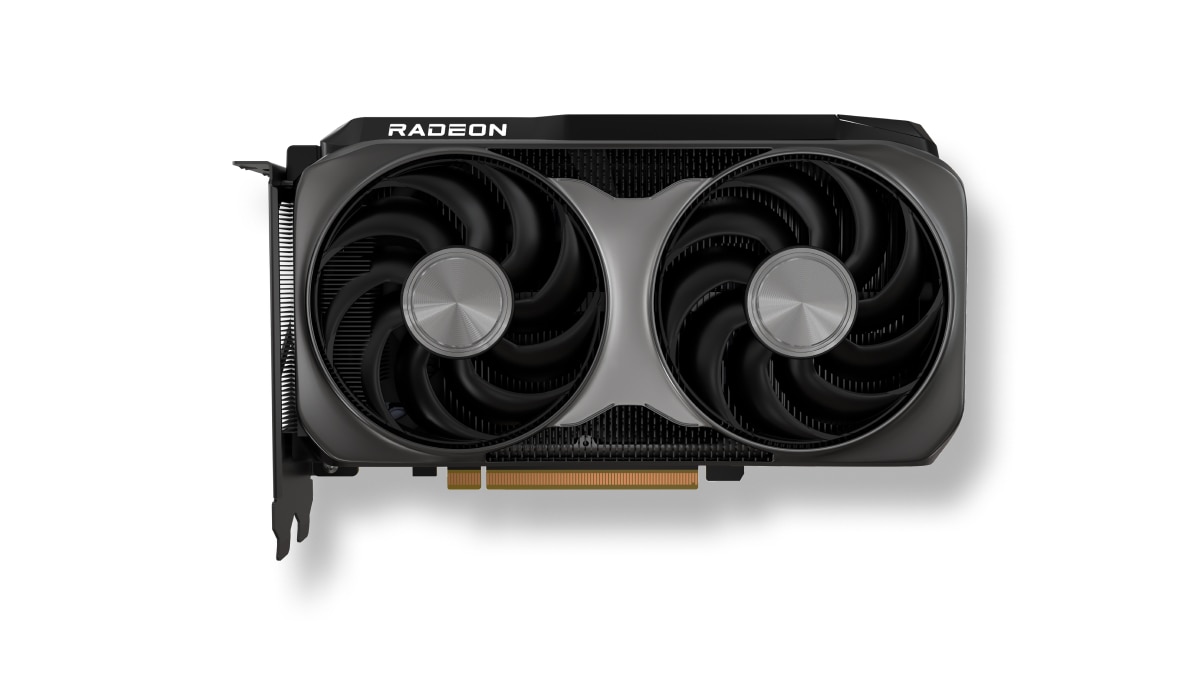
GIGABYTE Radeon RX 580 Gaming 4G
GIGABYTE GeForce GT 1030 OC 2G

GIGABYTE Radeon RX 580 Gaming 4G vs GIGABYTE GeForce GT 1030 OC 2G. Specifications, performance, tests

Overall score
star star star star star
Released
Q4/2017
GIGABYTE Radeon RX 580 Gaming 4G
Released
Q2/2017
Overall score
star star star star star
GIGABYTE GeForce GT 1030 OC 2G

What's the best choice GIGABYTE Radeon RX 580 Gaming 4G or GIGABYTE GeForce GT 1030 OC 2G? Which graphics card is faster?

We have prepared a comparison to help you choose the best graphics card. Compare their specifications and benchmarks.

GIGABYTE Radeon RX 580 Gaming 4G has a maximum frequency of 1.257 GHz. Memory size 4 GB. Memory type GDDR5. Released in Q4/2017.

GIGABYTE GeForce GT 1030 OC 2G has a maximum frequency of 1.265 GHz+ 3 %. Memory size 2 GB. Memory type GDDR5. Released in Q2/2017.

Differences

  • Place in the overall ranking

    (based on several benchmarks)

    2170 left arrow score
  • More memory

    50% more memory

    4 GB left arrow 2 GB

Positions in all rankings

Common positions GIGABYTE Radeon RX 580 Gaming 4G GPU in popular benchmarks, for comparison with other models.

  • FP32 Performance (Single-precision TFLOPS)
    2246 place
  • Battlefield 5
    2438 place
  • Shadow of the Tomb Raider
    2494 place
  • Crypto-Mining Ethereum Hashrate (MH/s)
    1926 place
  • Crypto-Mining Ergo Hashrate (MH/s)
    1907 place
  • Crypto-Mining Ravencoin Hashrate (MH/s)
    2179 place
  • Crypto-Mining Vertcoin Hashrate (MH/s)
    1347 place
  • Higher clock speed

    Around 1% better clock speed

    1.265 GHz+ 3 % left arrow 1.257 GHz

Positions in all rankings

Common positions GIGABYTE GeForce GT 1030 OC 2G GPU in popular benchmarks, for comparison with other models.

No data

Specifications

Technical data
GIGABYTE Radeon RX 580 Gaming 4G GIGABYTE Radeon RX 580 Gaming 4G
GIGABYTE GeForce GT 1030 OC 2G GIGABYTE GeForce GT 1030 OC 2G
General info

Comparison of basic technical data of graphics cards GIGABYTE Radeon RX 580 Gaming 4G and GIGABYTE GeForce GT 1030 OC 2G, chip, information processing units.

  • Based on
    AMD Radeon RX 580 left arrow NVIDIA GeForce GT 1030
  • GPU Chip
    Polaris 20 XT left arrow GP108-300-A1
  • Execution units
    36 left arrow 3
  • Shader
    2304 left arrow 384
  • Render Output Units
    32 left arrow 16
  • Texture Units
    144 left arrow 24
Memory settings

Comparison of the amount of memory on board graphics cards. The more the better.

  • Memory Size
    4 GB left arrow 2 GB
  • Memory Type
    GDDR5 left arrow GDDR5
  • Memory Speed
    2 GHz left arrow 1.502 GHz
  • Memory Bandwith
    256 GB/s left arrow 48 GB/s
  • Memory Interface
    256 bit left arrow 64 bit
Clock frequency

Let's compare the memory frequency of graphics cards GIGABYTE Radeon RX 580 Gaming 4G and GIGABYTE GeForce GT 1030 OC 2G. The higher the better.

  • Base Clock
    1.257 GHz left arrow 1.265 GHz+ 3 %
  • Boost Clock
    1.355 GHz+ 1 % left arrow 1.544 GHz+ 5 %
  • Avg (Game) Clock
    left arrow 1.518 GHz
  • Overclocking
    Yes left arrow Yes
Thermal Management

Connectors, the number of thermal watts emitted in normal mode and at overclocking.

  • TDP
    185 W left arrow 30 W
  • TDP (up)
    -- left arrow --
  • Tjunction max
    -- left arrow --
  • PCIe-Power
    1 x 8-Pin left arrow --
Cooler & Fans type

Types and sizes of coolers for graphics card cooling system GIGABYTE Radeon RX 580 Gaming 4G and GIGABYTE GeForce GT 1030 OC 2G.

  • Fan-Type
    Axial left arrow Axial
  • Cooler-Type
    Air cooling left arrow Air cooling
  • Fan 1
    2 x 90 mm left arrow 1 x 80 mm
  • Noise (Idle)
    -- left arrow --
  • Fan 2
    -- left arrow --
  • Noise (Load)
    -- left arrow --
Interfaces

Connectivity and connections.

  • Max. Displays
    4 left arrow 2
  • HDCP-Version
    2.2 left arrow 2.2
  • HDMI Ports
    1x HDMI v2.0b left arrow 1x HDMI v2.0b
  • DP Ports
    2x DP v1.4 left arrow --
  • DVI Ports
    1 left arrow 1
  • VGA Ports
    -- left arrow --
  • USB-C Ports
    -- left arrow --
Technical data

Technical data that is used to its full potential in computer games.

  • Max. resolution
    7680x4320 left arrow 7680x4320
  • DirectX
    12 left arrow 12_1
  • Raytracing
    No left arrow No
  • DLSS / FSR
    No left arrow No
  • LED
    No LED lighting left arrow No LED lighting
Supported Video Codecs

Built-in support for video and image compression standards.

  • h264
    Decode / Encode left arrow Decode
  • VP8
    Decode left arrow No
  • h265 / HEVC
    Decode / Encode left arrow Decode
  • VP9
    Decode left arrow Decode
  • AV1
    No left arrow No
Dimensions

The difference in size, weight and slot of the compared devices

  • Length
    232 mm left arrow 168 mm
  • Height
    116 mm left arrow 11 mm
  • Width
    36 mm left arrow 27 mm
  • Width (Slots)
    2 PCIe-Slots left arrow 2 PCIe-Slots
  • Weight
    -- left arrow --
More information

Comparison of interfaces and release dates for GPU GIGABYTE GeForce GT 1030 OC 2G and GIGABYTE Radeon RX 580 Gaming 4G.

  • GPU Interface
    PCIe 3.0 x 16 left arrow PCIe 3.0 x 4
  • Release date
    Q4/2017 left arrow Q2/2017
  • Release price
    -- left arrow --
  • Structure size
    14 nm left arrow 14 nm
  • Part-no
    GV-RX580GAMING-4GD left arrow GV-N1030OC-2GI
  • Documents
    data sheet left arrow data sheet

Benchmarks

Performance tests GPUs

Based on the results of several popular benchmarks, you can more accurately estimate the performance difference between GIGABYTE Radeon RX 580 Gaming 4G and GIGABYTE GeForce GT 1030 OC 2G.

Compare synthetic benchmarks and choose the best graphics card for you!

FP32 Performance (Single-precision TFLOPS)
Benchmark FP32 is a 32-bit floating point calculation for the GPU which is required for 3D gaming
6.25
GIGABYTE Radeon RX 580 Gaming 4G
Battlefield 5
Battlefield 5 is a realistic game, with a built-in benchmark, very suitable as a test for graphics cards
36 fps (avg)
GIGABYTE Radeon RX 580 Gaming 4G
Shadow of the Tomb Raider
Shadow of the Tomb Raider has a built-in benchmark, based on the Crystal Dynamics Foundation engine
22 fps (avg)
GIGABYTE Radeon RX 580 Gaming 4G
-->

Latest comparisons