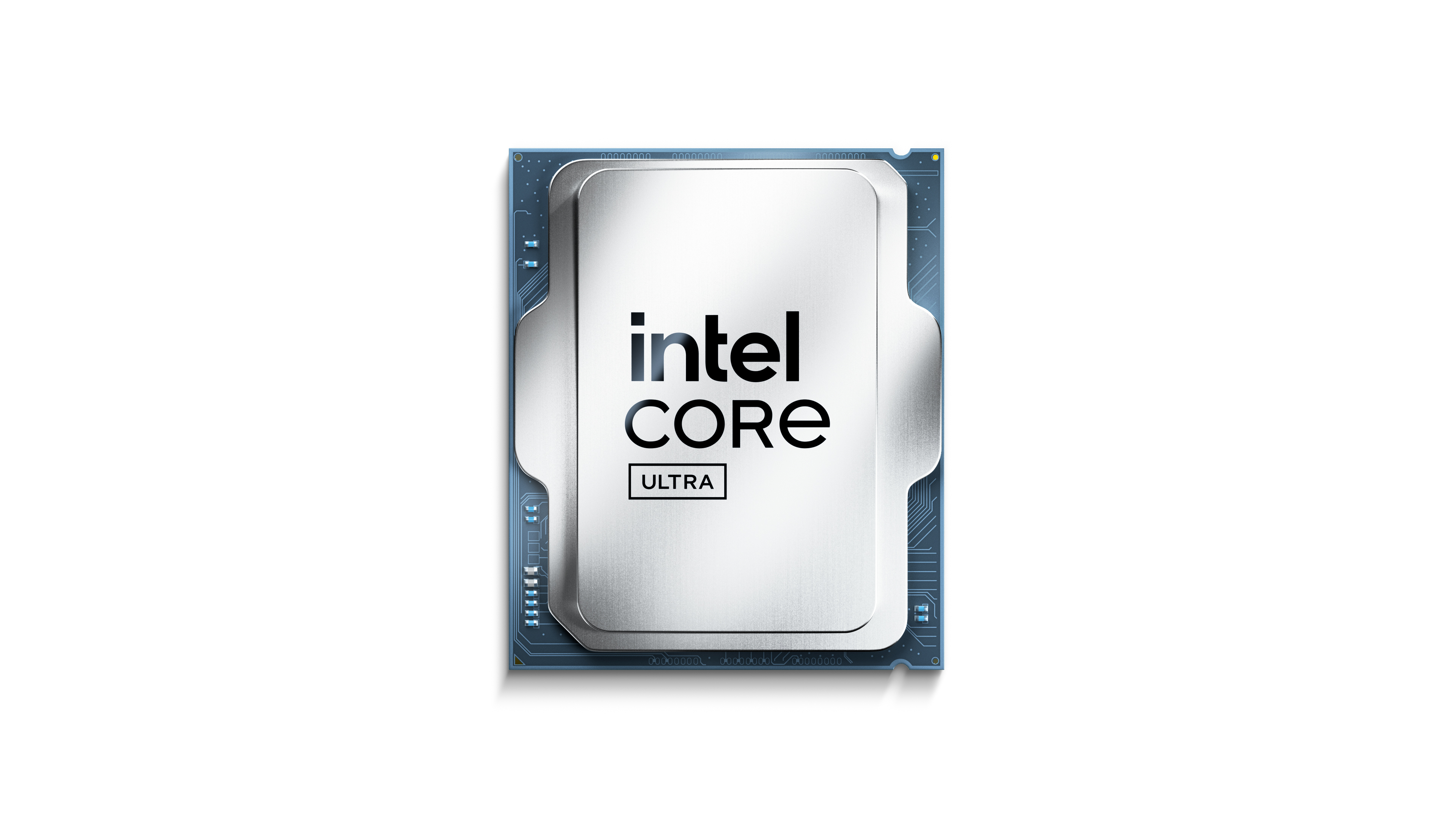
Intel Core i7-7700T
AMD Ryzen 9 5900
Select video card 1
Select video card 2

Intel Core i7-7700T vs AMD Ryzen 9 5900. Specifications

User rating
star star star star star
Released
Q1/2017
Intel Core i7-7700T
Intel Core i7-7700T
Released
Q2/2021
User rating
star star star star star
AMD Ryzen 9 5900
AMD Ryzen 9 5900

What's the best choice Intel Core i7-7700T or AMD Ryzen 9 5900? Which processor is faster?

Compare the available specifications of these models.

Intel Core i7-7700T has a base frequency of 2.90 GHz. 4 CPU Cores / Threads. Stated TDP / base power 35 W. Released in Q1/2017.

AMD Ryzen 9 5900 has a base frequency of 3.50 GHz. 12 CPU Cores / Threads. Stated TDP / base power 65 W. Released in Q2/2021.

Differences

  • Lower stated TDP / base power

    Power limits alone do not measure performance per watt.

    35 W left arrow 65 W

Positions in all rankings

Common positions Intel Core i7-7700T CPU in popular benchmarks, for comparison with other models.

  • Cinebench R15 (Single-Core)
    255 place
  • Cinebench R15 (Multi-Core)
    358 place
  • Geekbench 5, 64bit (Single-Core)
    505 place
  • Geekbench 5, 64bit (Multi-Core)
    503 place
  • iGPU - FP32 Performance (Single-precision GFLOPS)
    667 place
  • Geekbench 3, 64bit (Single-Core)
    81 place
  • Geekbench 3, 64bit (Multi-Core)
    226 place
  • Cinebench R11.5, 64bit (Single-Core)
    80 place
  • Cinebench R11.5, 64bit (Multi-Core)
    200 place
  • Cinebench R11.5, 64bit (iGPU, OpenGL)
    36 place
  • Estimated results for PassMark CPU Mark
    399 place
AMD Ryzen 9 5900 Reasons to consider
AMD Ryzen 9 5900
Report a bug
  • Higher clock speed

    Around 21% better clock speed

    3.50 GHz left arrow 2.90 GHz
  • More number of cores

    8 more cores

    12 left arrow 4
  • Higher turbo clock speed

    Around 24 % higher specified turbo frequency

    4.70 GHz left arrow 3.80 GHz

Specifications

Technical data
Intel Core i7-7700T Intel Core i7-7700T
AMD Ryzen 9 5900 AMD Ryzen 9 5900
CPU family and group

Background information about the processors being compared, series, generation and market segment.

  • CPU group
    Intel Core i 7000 left arrow AMD Ryzen 5000
  • Family
    Intel Core i7 left arrow AMD Ryzen
  • Generation
    7 left arrow 4
  • Predecessor
    Intel Core i7-6700T left arrow AMD Ryzen 9 3900
  • Segment
    Desktop / Server left arrow Desktop / Server
  • Successor
    Intel Core i7-8700T left arrow -
CPU Technical specs

Core counts, threads, cache and clock modes describe the CPU configuration. Performance depends on the workload and comparable measured results.

  • Base Frequency
    2.9 GHz left arrow 3.5 GHz
  • Core architecture
    normal left arrow normal
  • CPU Cores
    4 left arrow 12
  • CPU Threads
    8 left arrow 24
  • Hyperthreading / SMT
    Yes left arrow Yes
  • Overclocking
    No left arrow Yes
  • Turbo Frequency (1 Core)
    3.8 GHz left arrow 4.7 GHz
  • Turbo Frequency (4 Cores)
    3.6 GHz left arrow -
  • Turbo Frequency (12 Cores)
    - left arrow 4.3 GHz
IGPU

Internal Graphics does not affect the performance of the CPU, performs the work of the graphics card in its absence or on mobile devices.

  • DirectX Version
    12 left arrow -
  • Execution units
    24 left arrow -
  • Generation
    9.5 left arrow -
  • GPU Frequency
    350 MHz left arrow -
  • GPU name
    Intel HD Graphics 630 left arrow no iGPU
  • GPU Turbo
    1150 MHz left arrow No turbo
  • Max. displays
    3 left arrow -
  • Max. GPU Memory
    64 GB left arrow -
  • Release date
    Q2/2016 left arrow -
  • Shader
    192 left arrow -
  • Technology
    14 nm left arrow -
Hardware codec support

Built-in codecs used to encode and decode content. Significantly speeds up the required operations.

  • AV1
    No left arrow No
  • H.264 / AVC
    Decode / Encode left arrow No
  • h265 / HEVC (8 bit)
    Decode / Encode left arrow No
  • h265 / HEVC (10 bit)
    Decode / Encode left arrow No
  • JPEG
    Decode / Encode left arrow No
  • VC-1
    Decode left arrow No
  • VP8
    Decode / Encode left arrow No
  • VP9
    Decode / Encode left arrow No
Memory specs & PCI

Types, channel quantity of RAM supported by AMD Ryzen 9 5900 and Intel Core i7-7700T. Depending on the motherboards, higher or lower memory frequencies may be supported.

  • ECC
    No left arrow Yes
  • Max. Memory
    - left arrow 128 GB
  • Memory channels
    2 left arrow 2
  • Memory type
    DDR4-2400 left arrow DDR4-3200
  • PCIe lanes
    16 left arrow 20
  • PCIe version
    3.0 left arrow 4.0
Encryption
  • AES-NI
    Yes left arrow Yes
Thermal Management

Compare the TDP requirements of TDP Intel Core i7-7700T and AMD Ryzen 9 5900 Power specifications describe different manufacturer limits. TDP, base power and maximum turbo power are separate values; they do not establish measured system consumption.

  • Maximum Operating Temperature
    - left arrow 95 °C
  • TDP (PL1, legacy label)
    35 W left arrow 65 W
Technologies and extensions

Architecture, interfaces, additional instructions supported by Intel Core i7-7700T and AMD Ryzen 9 5900, virtual machine technologies and process technology.

  • Architecture
    Kaby Lake S left arrow Vermeer (Zen 3)
  • Instruction set (ISA)
    x86-64 (64 bit) left arrow x86-64 (64 bit)
  • ISA extensions
    SSE4.1, SSE4.2, AVX2 left arrow SSE4a, SSE4.1, SSE4.2, AVX2, FMA3
  • L2-Cache
    - left arrow 6 MB
  • L3-Cache
    8 MB left arrow 64 MB
  • Release date
    Q1/2017 left arrow Q2/2021
  • Socket
    LGA 1151 left arrow AM4
  • Technology
    14 nm left arrow 7 nm
  • Virtualization
    VT-x, VT-x EPT, VT-d left arrow AMD-V, SVM

Benchmarks

Performance tests CPUs

No comparable benchmark results are available yet. Specifications alone do not determine which model is faster.

Latest comparisons