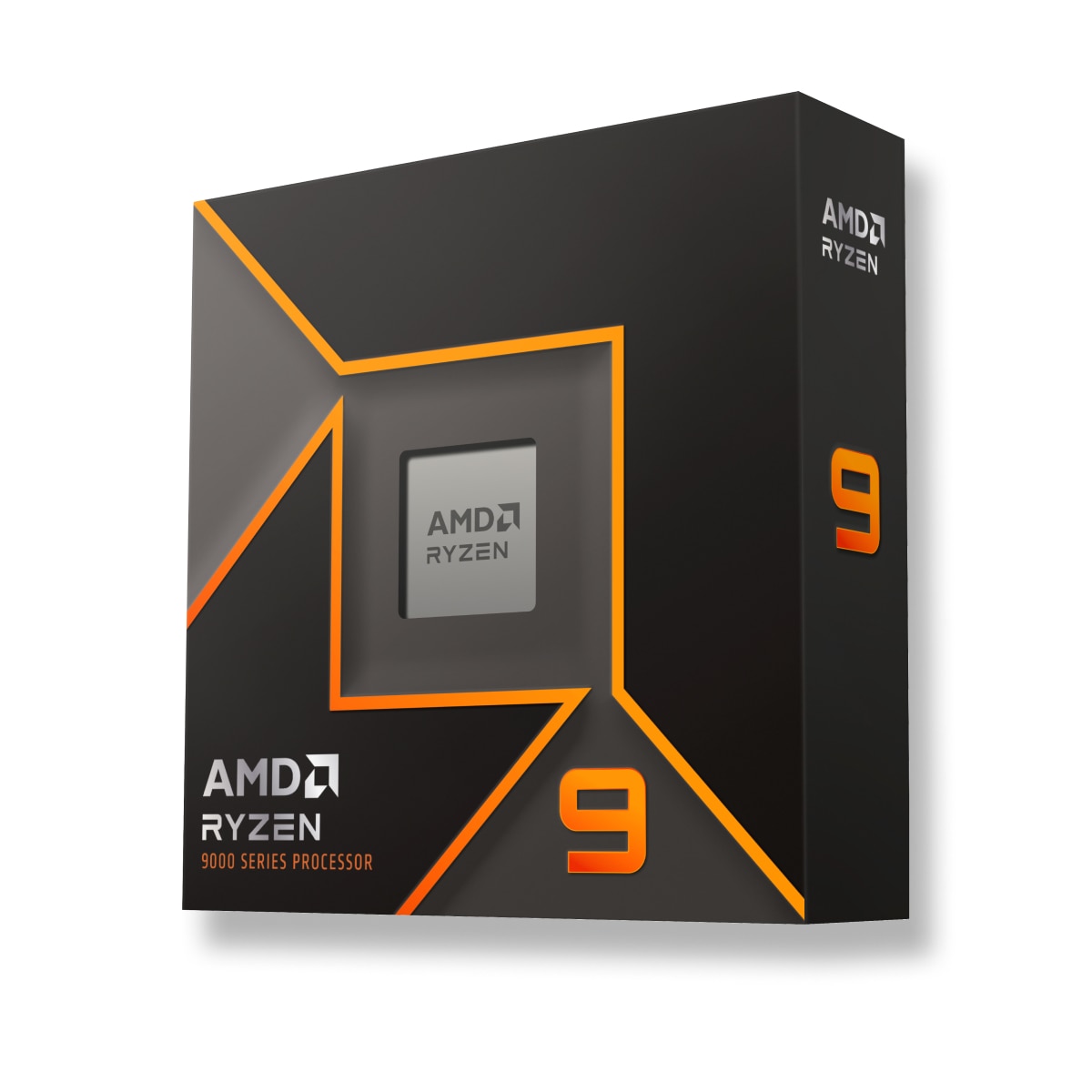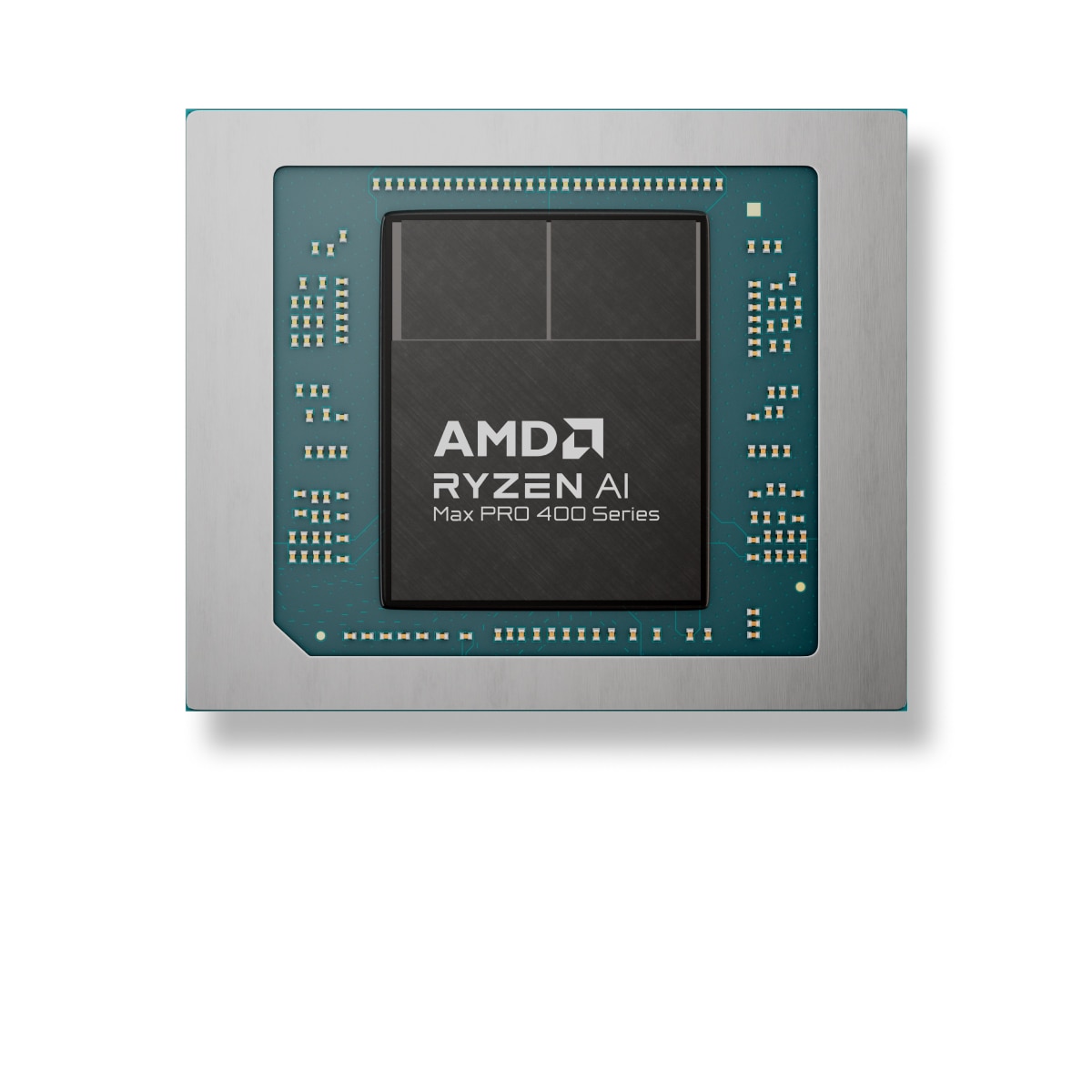
Family illustration.
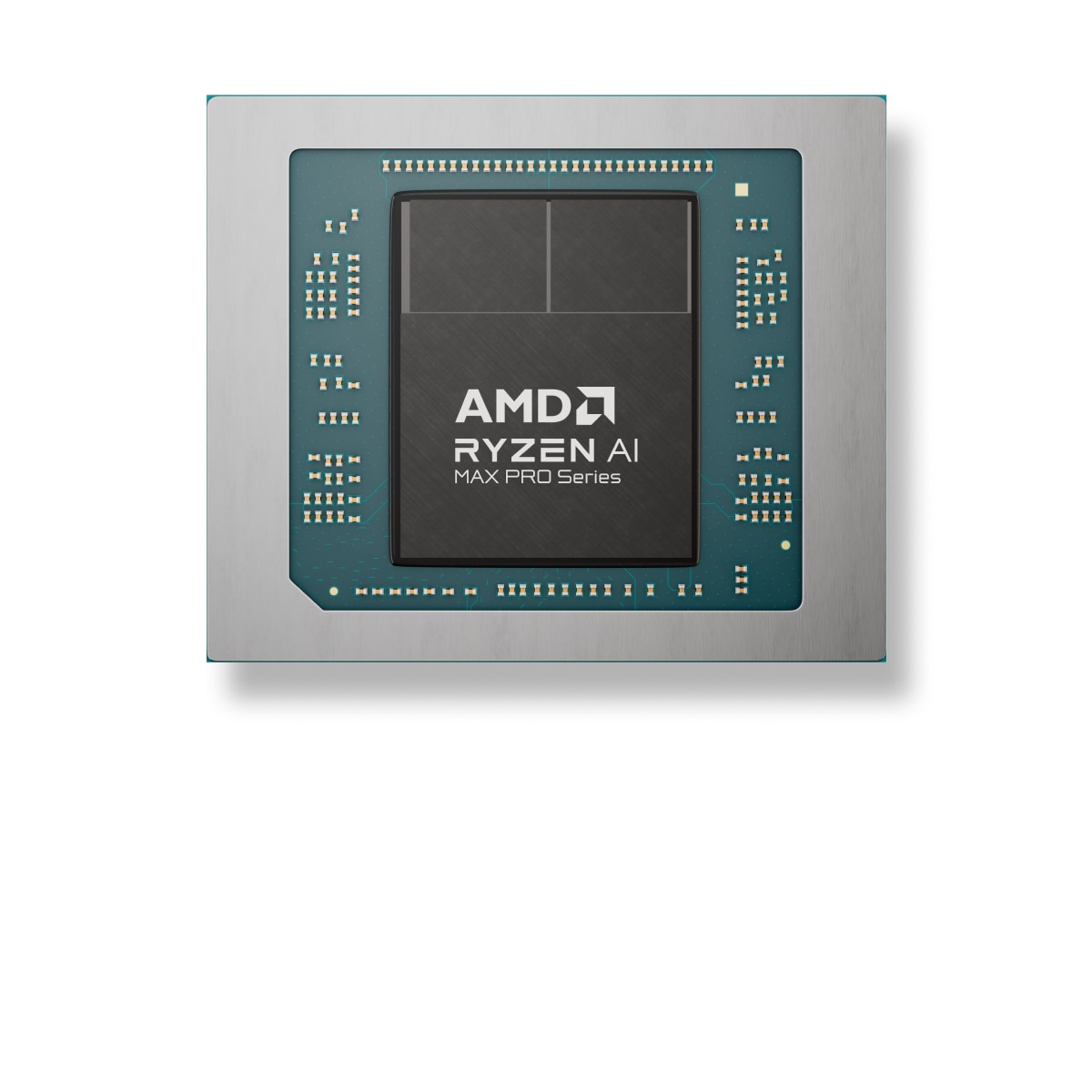
Family illustration.
What's the best choice AMD Ryzen AI Max+ PRO 495 or AMD Ryzen AI Max PRO 385? Which processor is faster?
Compare the available specifications of these models.
AMD Ryzen AI Max+ PRO 495 has a base frequency of 3.1 GHz. 16 / 32 CPU Cores / Threads. Stated TDP / base power 55 W.
AMD Ryzen AI Max PRO 385 has a base frequency of 3.6 GHz. 8 / 16 CPU Cores / Threads. Stated TDP / base power 55 W.
Reasons to consider More number of cores
8 more cores
 8
8
Higher turbo clock speed
Around 4% higher specified turbo frequency
5 GHz
Common positions AMD Ryzen AI Max+ PRO 495 CPU in popular benchmarks, for comparison with other models.
No data
Reasons to consider Higher clock speed
Around 16% better clock speed
3.1 GHz
Common positions AMD Ryzen AI Max PRO 385 CPU in popular benchmarks, for comparison with other models.
No data
AMD Ryzen AI Max+ PRO 495
Background information about the processors being compared, series, generation and market segment.
 Ryzen PRO
Laptops / Desktops
Mobile
Ryzen AI Max PRO 300 Series
Ryzen PRO
Laptops / Desktops
Mobile
Ryzen AI Max PRO 300 Series
Core counts, threads, cache and clock modes describe the CPU configuration. Performance depends on the workload and comparable measured results.
3.6 GHz
8
16
5 GHz
Internal Graphics does not affect the performance of the CPU, performs the work of the graphics card in its absence or on mobile devices.
2800 MHz
Radeon 8050S Graphics
32
Types, channel quantity of RAM supported by AMD Ryzen AI Max PRO 385 and AMD Ryzen AI Max+ PRO 495. Depending on the motherboards, higher or lower memory frequencies may be supported.
256-bit LPDDR5x
PCIe 4.0
Compare the TDP requirements of TDP AMD Ryzen AI Max+ PRO 495 and AMD Ryzen AI Max PRO 385 Power specifications describe different manufacturer limits. TDP, base power and maximum turbo power are separate values; they do not establish measured system consumption.
45-120 W
55 W
100 °C
Architecture, interfaces, additional instructions supported by AMD Ryzen AI Max+ PRO 495 and AMD Ryzen AI Max PRO 385, virtual machine technologies and process technology.
Strix Halo
8 MB
32 MB
https://www.amd.com/en/products/processors/laptop/ryzen-pro/ai-max-pro-300-series/amd-ryzen-ai-max-pro-385.html
TSMC 4nm FinFET
2026-09-30
FP11
No comparable benchmark results are available yet. Specifications alone do not determine which model is faster.
These are saved results from the earlier catalog. Measurement dates and test configurations were not recorded. Models with no comparable results are omitted.


 Russian
 German
 Portuguese
 Italian
 French
 Japan
Japan Spanish
 Polish
 Chinese
 Korean