Seleccione el procesador 1
Seleccione el procesador 2
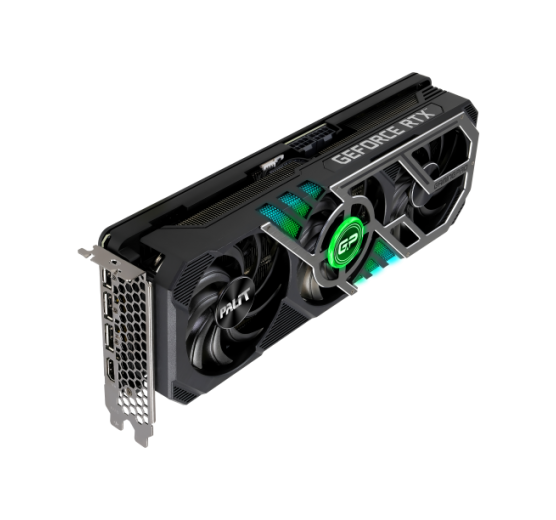
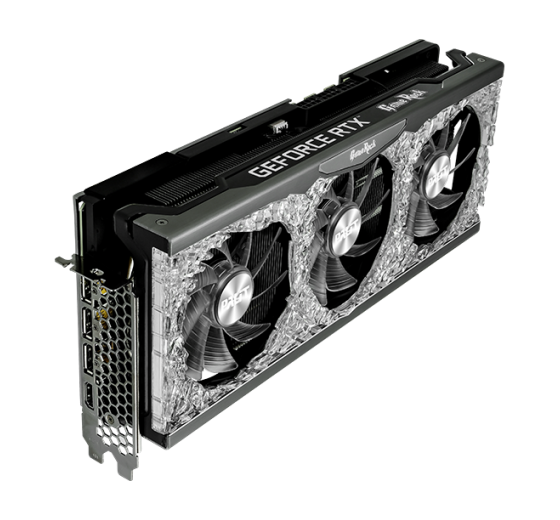
NVIDIA GeForce RTX 3090 Ti
NVIDIA TITAN V

NVIDIA GeForce RTX 3090 Ti contra NVIDIA TITAN V. Especificaciones, rendimiento, pruebas

User rating
star star star star star
Liberado
Q1/2022
NVIDIA GeForce RTX 3090 Ti
Liberado
Q4/2017
User rating
star star star star star
NVIDIA TITAN V
NVIDIA TITAN V

Cuál es la mejor opción NVIDIA GeForce RTX 3090 Ti o NVIDIA TITAN V? ¿Qué tarjeta gráfica es más rápida?

Compare the available specifications of these models.

NVIDIA GeForce RTX 3090 Ti has a base frequency of 1.56 GHz. Tamaño de la memoria 24 GB. Tipo de memoria GDDR6X. Publicado en Q1/2022.

NVIDIA TITAN V has a base frequency of 1.200 GHz. Tamaño de la memoria 12 GB. Tipo de memoria HBM2. Publicado en Q4/2017.

Diferencias

  • Mayor velocidad de reloj

    En 30% mejor velocidad de reloj

    1.56 GHz left arrow 1.200 GHz
  • Más memoria

    100% más de memoria

    24 GB left arrow 12 GB

Posiciones en todas las clasificaciones

Posiciones comunes NVIDIA GeForce RTX 3090 Ti GPU en benchmarks populares, para comparar con otros modelos.

  • Passmark Performance Test GPU
    1 place
Videokards Razones a tener en cuenta
NVIDIA TITAN V
Informar de un error

Posiciones en todas las clasificaciones

Posiciones comunes NVIDIA TITAN V GPU en benchmarks populares, para comparar con otros modelos.

  • FP32 Performance (Single-precision TFLOPS)
    1093 place

Especificaciones

Datos técnicos
NVIDIA GeForce RTX 3090 Ti NVIDIA GeForce RTX 3090 Ti
NVIDIA TITAN V NVIDIA TITAN V
Información general

Comparación de los datos técnicos básicos de las tarjetas gráficas NVIDIA GeForce RTX 3090 Ti y NVIDIA TITAN V, chip, unidades de procesamiento de información.

  • Arquitectura
    Ampere left arrow -
  • Basado en
    GA102 left arrow NVIDIA TITAN V
  • CUDA Cores
    10752 left arrow -
  • Chip GPU
    GA102-350-A1 left arrow GV100-400-A1 (Volta)
  • L1 Cache
    128 KB left arrow -
  • L2 Cache
    6 MB left arrow -
  • Unidades de salida de renderizado
    112 left arrow 96
  • Shader
    10752 left arrow 5120
  • Unidades de textura
    336 left arrow 320
  • RT Cores
    - left arrow -
  • Streaming Multiprocessors
    - left arrow 80
Ajustes de la memoria

Video memory capacity, type, bus width and bandwidth describe different properties. These values alone do not determine graphics performance.

  • Memory Bandwidth
    1,008 GB/s left arrow 651 GB/s
  • Memory Bus
    384 bit left arrow 3072 bit
  • Tamaño de la memoria
    24 GB left arrow 12 GB
  • Memory Speed (legacy frequency label)
    1300 MHz left arrow -
  • Tipo de memoria
    GDDR6X left arrow HBM2
  • Memory Clock
    - left arrow 848 MHz
  • Memory Data Rate
    - left arrow 1.69 Gbps
Frecuencia del reloj

Published GPU clock frequencies describe different operating modes. Clock speed alone does not determine graphics performance.

  • Frecuencia base
    1560 MHz left arrow 1200 MHz
  • Frecuencia máxima
    1860 MHz left arrow 1455 MHz
  • Overclocking
    No left arrow Sí
  • Game Clock
    - left arrow -
Consumo de energía

Graphics card power limits and recommended system power supply describe different specifications.

  • Graphics Card Power
    450 W left arrow -
  • Maximum GPU Temperature
    92 °C left arrow -
  • System Power Supply
    850 W (System power requirement) left arrow -
  • TDP
    450 W left arrow 250 W
  • Maximum Junction Temperature
    - left arrow 91 °C
  • TDP (up)
    - left arrow -
Tipo de refrigerador y ventiladores

Tipos y tamaños de refrigeradores para el sistema de refrigeración de la tarjeta gráfica NVIDIA GeForce RTX 3090 Ti y NVIDIA TITAN V.

  • Tipo de refrigerador
    - left arrow Air cooling
  • Tipo de ventilador
    - left arrow Radial
  • Ventilador 1
    - left arrow 1 x 70 mm
  • Ventilador 2
    - left arrow -
  • Noise (Idle)
    - left arrow 0 dB / Silent
  • Noise (Load)
    - left arrow -
Interfaces

Conectividad y conexiones.

  • DisplayPort Ports
    3 × DisplayPort 1.4a left arrow 3 × DisplayPort 1.4a
  • HDCP Version
    2.3 left arrow -
  • Puertos HDMI
    1 × HDMI 2.1 left arrow 1 × HDMI 2.0b
  • Max. Muestra
    4 left arrow 4
  • Other Display Outputs (unparsed)
    HDMI left arrow -
  • PCIe Interface
    PCIe 4.0 x16 left arrow PCIe 3.0 x16
  • Power Connectors
    3x PCIe 8-pin cables (adapter in box) OR 450W or greater PCIe Gen 5 cable left arrow 1 x 6-Pin, 1 x 8-Pin
  • Puertos DVI
    - left arrow -
  • USB-C Ports
    - left arrow -
  • VGA Ports
    - left arrow -
Datos técnicos

Datos técnicos que se aprovechan al máximo en los juegos de ordenador.

  • DirectX
    12_2 left arrow 12_1
  • Resolución máxima
    7680 × 4320 left arrow 7680 × 4320
  • OpenCL
    3.0 left arrow -
  • OpenGL
    4.6 left arrow -
  • Shader Model
    6.6 left arrow -
  • Vulkan
    1.3 left arrow -
  • DLSS / FSR
    - left arrow No
  • LED
    - left arrow No LED lighting
  • Raytracing
    - left arrow No
Códecs de vídeo compatibles

Compatibilidad integrada con los estándares de compresión de vídeo e imagen.

  • AV1
    - left arrow No
  • h264
    - left arrow Decode / Encode
  • h265 / HEVC
    - left arrow Decode / Encode
  • VP8
    - left arrow Decode / Encode
  • VP9
    - left arrow Decode / Encode
Dimensiones

La diferencia de tamaño, peso y ranura de los dispositivos comparados

  • Altura
    - left arrow 111 mm
  • Longitud
    - left arrow 267 mm
  • Slot Size
    - left arrow 2 PCIe-Slots
  • Weight
    - left arrow -
  • Width
    - left arrow -
Más información

Comparación de interfaces y fechas de lanzamiento de la GPU NVIDIA TITAN V y NVIDIA GeForce RTX 3090 Ti.

  • Manufacturer specification scope
    NVIDIA Founders Edition/reference design. Clock specifications apply to gaming use. AIB shipping specifications and complete-system power needs may differ. left arrow -
  • Process Technology
    8 nm left arrow 12 nm
  • especificación
    - left arrow data sheet
  • Launch Price (historical)
    - left arrow 2,999 $ (Reference)
  • Part Number
    - left arrow 900-1G500-2500-000
  • Fecha de publicación
    - left arrow Q4/2017
Theoretical Performance

  • FP16 (theoretical)
    40 TFLOPS left arrow -
  • FP32 (theoretical)
    40 TFLOPS left arrow -
  • FP64 (theoretical)
    0.625 TFLOPS left arrow -
  • Pixel Rate
    208.3 GPixel/s left arrow -
  • Texture Rate
    625.0 GTexel/s left arrow -

Puntos de referencia

Pruebas de rendimiento GPUs
Individual model tests

These results have no shared test of both models with the same version and settings. They are shown separately without a percentage difference.

NVIDIA GeForce RTX 3090 Ti

More results: 7

NVIDIA TITAN V

Últimas comparaciones