Seleccione el procesador 1
Seleccione el procesador 2
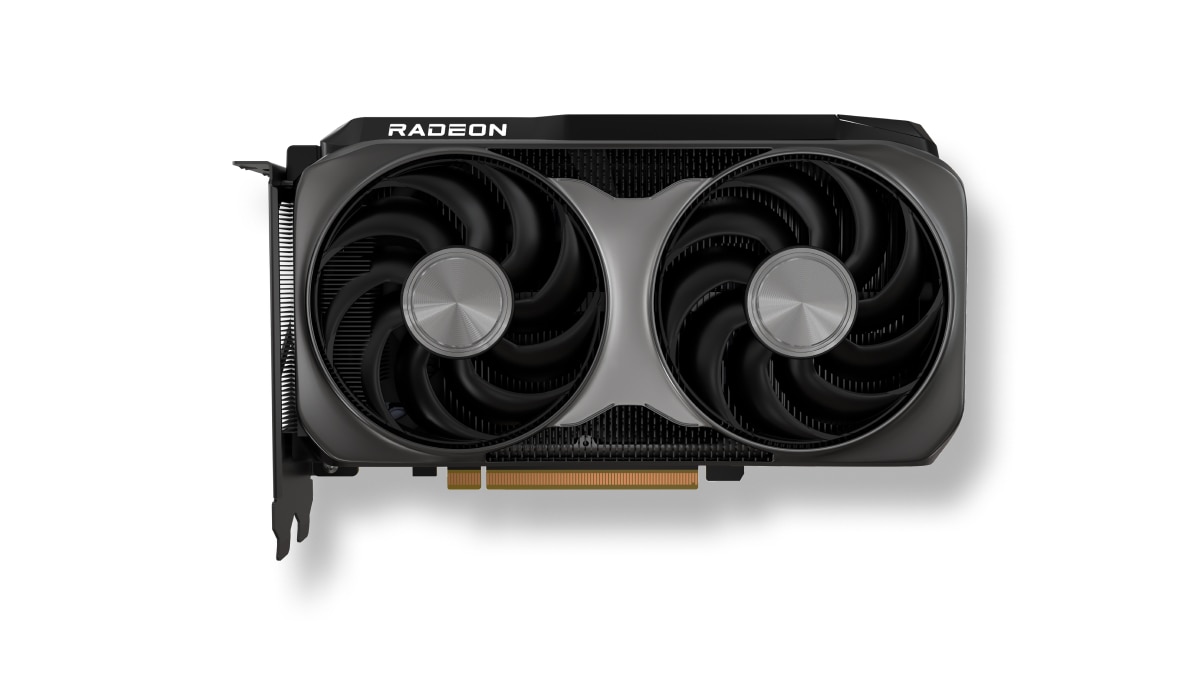
NVIDIA GeForce GTX 1660 Ti
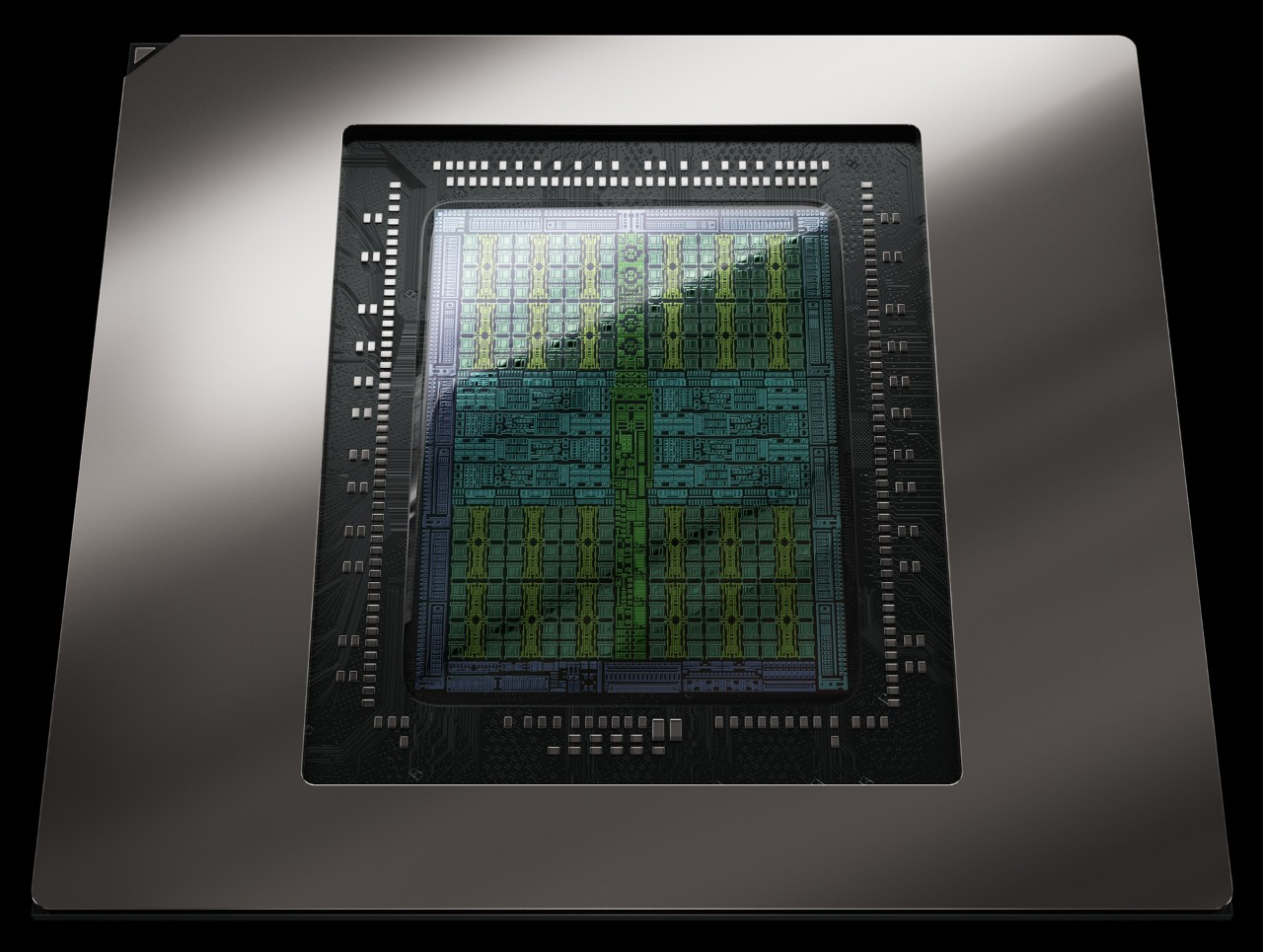
NVIDIA H100 SXM5

NVIDIA GeForce GTX 1660 Ti contra NVIDIA H100 SXM5. Especificaciones

User rating
star star star star star
Liberado
Q3/2019
NVIDIA GeForce GTX 1660 Ti
Liberado
Q2/2022
User rating
star star star star star
NVIDIA H100 SXM5
NVIDIA H100 SXM5

Cuál es la mejor opción NVIDIA GeForce GTX 1660 Ti o NVIDIA H100 SXM5? ¿Qué tarjeta gráfica es más rápida?

Compare the available specifications of these models.

NVIDIA GeForce GTX 1660 Ti has a base frequency of 1.5 GHz. Tamaño de la memoria 6 GB. Tipo de memoria GDDR6. Publicado en Q3/2019.

NVIDIA H100 SXM5 has a base frequency of 1.065 GHz. Tamaño de la memoria 80 GB. Tipo de memoria HBM3. Publicado en Q2/2022.

Diferencias

  • Mayor velocidad de reloj

    En 41% mejor velocidad de reloj

    1.5 GHz left arrow 1.065 GHz

Posiciones en todas las clasificaciones

Posiciones comunes NVIDIA GeForce GTX 1660 Ti GPU en benchmarks populares, para comparar con otros modelos.

No data
Videokards Razones a tener en cuenta
NVIDIA H100 SXM5
Informar de un error
  • Más memoria

    1233% más de memoria

    80 GB left arrow 6 GB

Posiciones en todas las clasificaciones

Posiciones comunes NVIDIA H100 SXM5 GPU en benchmarks populares, para comparar con otros modelos.

No data

Especificaciones

Datos técnicos
NVIDIA GeForce GTX 1660 Ti NVIDIA GeForce GTX 1660 Ti
NVIDIA H100 SXM5 NVIDIA H100 SXM5
Información general

Comparación de los datos técnicos básicos de las tarjetas gráficas NVIDIA GeForce GTX 1660 Ti y NVIDIA H100 SXM5, chip, unidades de procesamiento de información.

  • Arquitectura
    Turing left arrow Hopper
  • CUDA Cores
    1536 left arrow -
  • Execution Units
    1536 left arrow 8448
  • Chip GPU
    TU116 left arrow GH100
  • L1 Cache
    64 KB left arrow 192 KB
  • L2 Cache
    1,536 MB left arrow 50 MB
  • Unidades de salida de renderizado
    48 left arrow 24
  • Unidades de textura
    96 left arrow 528
Ajustes de la memoria

Video memory capacity, type, bus width and bandwidth describe different properties. These values alone do not determine graphics performance.

  • Memory Bandwidth
    288 GB/s left arrow 1,920 GB/s
  • Memory Bus
    192 bit left arrow 5120 bit
  • Memory Clock
    1500 MHz left arrow 1500 MHz
  • Memory Data Rate
    12 Gbps left arrow 3 Gbps
  • Tamaño de la memoria
    6 GB left arrow 80 GB
  • Tipo de memoria
    GDDR6 left arrow HBM3
Frecuencia del reloj

Published GPU clock frequencies describe different operating modes. Clock speed alone does not determine graphics performance.

  • Frecuencia base
    1500 MHz left arrow 1065 MHz
  • Frecuencia máxima
    1770 MHz left arrow 1780 MHz
Consumo de energía

Graphics card power limits and recommended system power supply describe different specifications.

  • Graphics Card Power
    120 W left arrow -
  • Maximum GPU Temperature
    95 °C left arrow -
  • System Power Supply
    450 W (Minimum system power requirement) left arrow 1100 W (PSU recommendation)
  • TDP
    120 W left arrow 700 W
  • Board Number
    - left arrow PG520
Interfaces

Conectividad y conexiones.

  • DisplayPort Ports
    1 × DisplayPort 1.4a left arrow -
  • Puertos DVI
    1 × DVI left arrow -
  • Puertos HDMI
    1 × HDMI 2.1 left arrow -
  • Max. Muestra
    3 left arrow 1
  • Other Display Outputs (unparsed)
    DP 1.4a; HDMI 2.0b; DL-DVI-D left arrow -
  • PCIe Interface
    PCIe 3.0 x16 left arrow PCIe 5.0 x16
  • Power Connectors
    8-pin left arrow 8-pin EPS
Datos técnicos

Datos técnicos que se aprovechan al máximo en los juegos de ordenador.

  • CUDA
    7.5 left arrow 9.0
  • DirectX
    12.1 left arrow No
  • Resolución máxima
    3840 × 2160 left arrow 3840x2160@60Hz
  • OpenCL
    3.0 left arrow 3.0
  • OpenGL
    4.6 left arrow No
  • Shader Model
    6.7 (6.4) left arrow No
  • Vulkan
    1.3 left arrow No
Dimensiones

La diferencia de tamaño, peso y ranura de los dispositivos comparados

  • Altura
    35 mm left arrow -
  • Longitud
    229 mm left arrow -
  • Slot Size
    Dual-slot left arrow -
  • Width
    111 mm left arrow -
Más información

Comparación de interfaces y fechas de lanzamiento de la GPU NVIDIA H100 SXM5 y NVIDIA GeForce GTX 1660 Ti.

  • Manufacturer specification scope
    NVIDIA Founders Edition/reference design. Clock specifications apply to gaming use. AIB shipping specifications and complete-system power needs may differ. left arrow -
  • Multi-monitor support
    Sí left arrow -
  • Official source
    https://www.nvidia.com/en-us/geforce/graphics-cards/compare/ left arrow -
  • Process Technology
    12 nm left arrow 4 nm
  • Fecha de publicación
    Q1/2019 left arrow Q2/2022
  • Verification scope
    Explicit manufacturer fields refreshed; other original historical fields retained, not all reverified. Partial composite conflicts are preserved. left arrow -
  • Verified on
    2026-09-30 left arrow -
Theoretical Performance

  • FP16 (theoretical)
    10.87 TFLOPS (2:1) left arrow 120.3 TFLOPS
  • FP32 (theoretical)
    5.437 TFLOPS left arrow 30.07 TFLOPS
  • FP64 (theoretical)
    169.9 GFLOPS (1:32) left arrow 15.04 TFLOPS
  • Pixel Rate
    84.96 GPixel/s left arrow 42.72 GPixel/s
  • Texture Rate
    169.9 GTexel/s left arrow 939.8 GTexel/s

Puntos de referencia

Pruebas de rendimiento GPUs

No comparable benchmark results are available yet. Specifications alone do not determine which model is faster.

These are saved results from the earlier catalog. Measurement dates and test configurations were not recorded. Models with no comparable results are omitted.

Recent models: test results with identified primary sources — Game frame rates

Últimas comparaciones